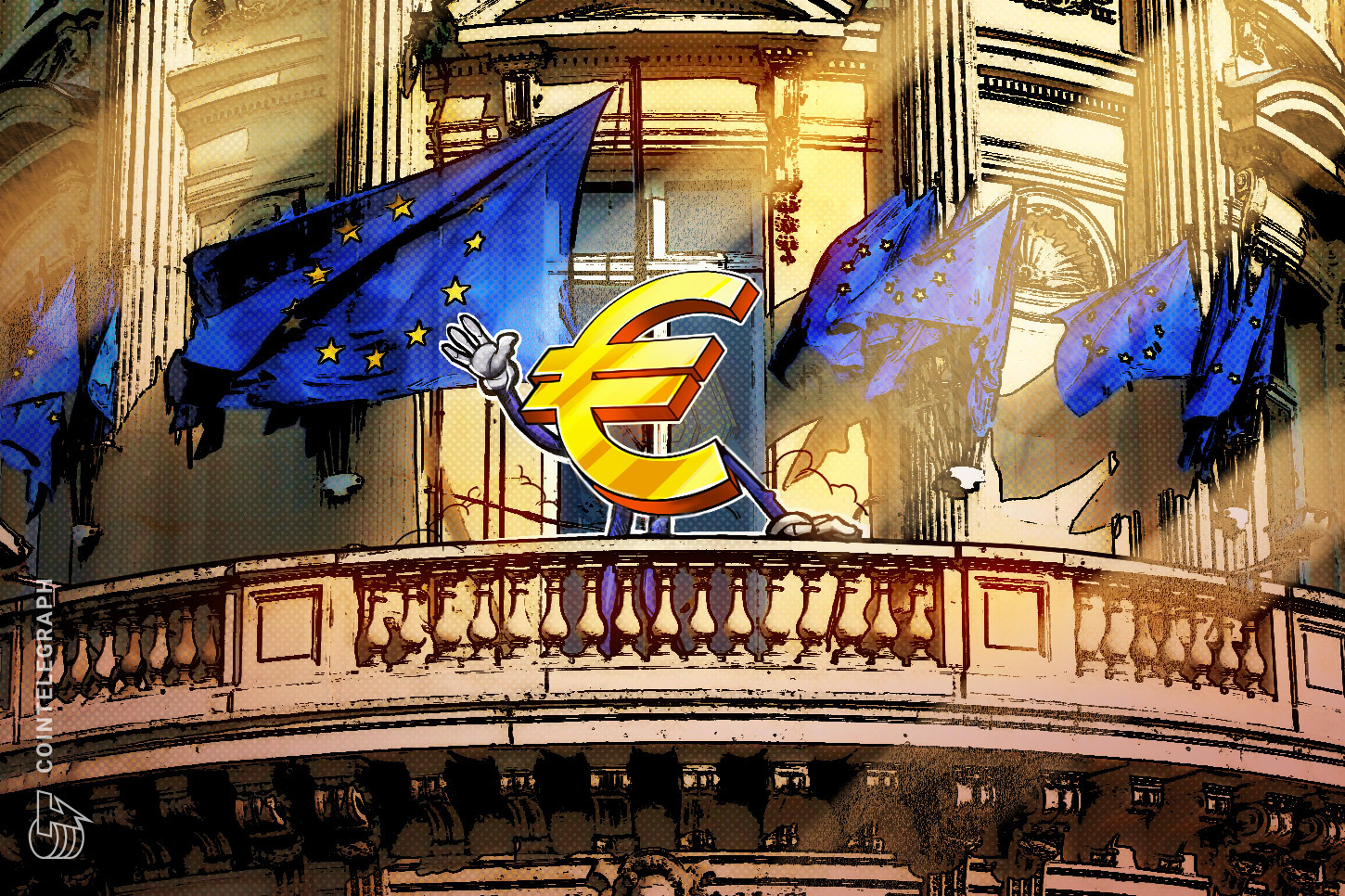
European regulators are shifting from a grace period to active enforcement as the Markets in Crypto-Assets (MiCA) transition period concludes, forcing unauthorized firms to exit the market.
The European Union's Markets in Crypto-Assets (MiCA) regulation has ended its transition period, meaning unauthorized firms must now exit the EU market or face strict legal enforcement.
For investors sitting in the United States, European legislation might seem a world away. However, the final implementation of MiCA creates a tectonic shift in how digital assets are traded globally. As unauthorized companies wind down their operations in the EU this week, the ripple effects will be felt across every major US-based exchange.
The End of the MiCA Transition Era
The grace period for crypto firms operating in Europe has officially shuttered. Regulators are no longer asking for cooperation; they are demanding compliance. This means any firm offering services—whether it is an exchange, a wallet provider, or a stablecoin issuer—must have a valid license under the new framework.
Legal experts suggest that the enforcement phase will be uneven initially. Different member states may interpret strictness levels differently, but the overarching goal is clear: offshore, unregulated entities are no longer welcome. This transition marks the first time a major Western economy has implemented a comprehensive, unified rulebook for the entire sector.
Why Compliance Matters for Global Liquidity
Market analysts are keeping a close eye on CoinGecko to track potential volatility as European liquidity pools adjust to these new boundaries. Liquidity (the ease with which an asset can be bought or sold without affecting its price) may fluctuate as smaller, non-compliant firms exit the space.
- Asset Delistings: Certain stablecoins (digital assets pegged to a fiat currency) that do not meet reserve requirements are being removed.
- Market Consolidation: Larger, regulated players are likely to absorb the market share of departing entities.
- Retail Protection: New rules mandate clearer warnings for retail investors about the risks of loss.
"Moving from a 'Wild West' environment to a strictly regulated framework is never seamless, but it is necessary for institutional adoption at scale."
Comparing EU and US Regulatory Approaches
The contrast between the EU and the USA is stark. While the EU has created a single, cohesive law (MiCA), the US continues to operate under a "regulation by enforcement" model led by the Securities and Exchange Commission (SEC). This distinction is vital for US investors to understand.
In the US, the debate often centers on whether an asset is a security (an investment contract) or a commodity (a basic good like gold). The EU has sidestepped this by creating new categories specific to crypto-assets. This provides a level of legal certainty that many US companies, such as Kraken and Gemini, have been clamoring for domestically.
The Impact on Stablecoins and Altcoins
Stablecoins are facing the tightest restrictions. Under MiCA, issuers must hold specific cash reserves and are subject to caps on trading volume if they become too large. This ensures that a "bank run" scenario is less likely to destabilize the broader financial system.
- Issuers must be based in the EU or have a localized representative.
- White papers (technical blueprints explaining how a project works) must be approved by authorities.
- Marketing materials must be fair, clear, and not misleading to the public.
What This Means for USA Investors
For the average American investor, MiCA acts as a preview of what US regulation might eventually look like. If you use global exchanges like Coinbase, you may notice changes in the types of assets available or new disclosure requirements if you trade while traveling abroad.
From a tax perspective, the IRS (Internal Revenue Service) still treats crypto as property. However, the increased transparency in Europe may lead to better data sharing between international tax authorities. Furthermore, the SEC and CFTC (Commodity Futures Trading Commission) are watching the EU's experiment closely to see if unified rules actually reduce fraud.
Most importantly, if you hold assets on a platform that is being forced out of the EU, ensure your funds are moved to a reputable US-regulated exchange or a self-custody wallet (a digital tool where you hold your own private keys). The "gray market" is shrinking, and staying with compliant providers is the safest bet for protecting your wealth.
Key Takeaways
- Identify how MiCA sets a global standard for crypto asset transparency and consumer protection.
- Monitor how US-based exchanges like Coinbase adjust their operations to remain compliant in Europe.
- Recognize that non-compliant 'gray market' firms will be forced to wind down services immediately.
- Watch for ripple effects on the USD price of major altcoins as liquidity shifts between regions.