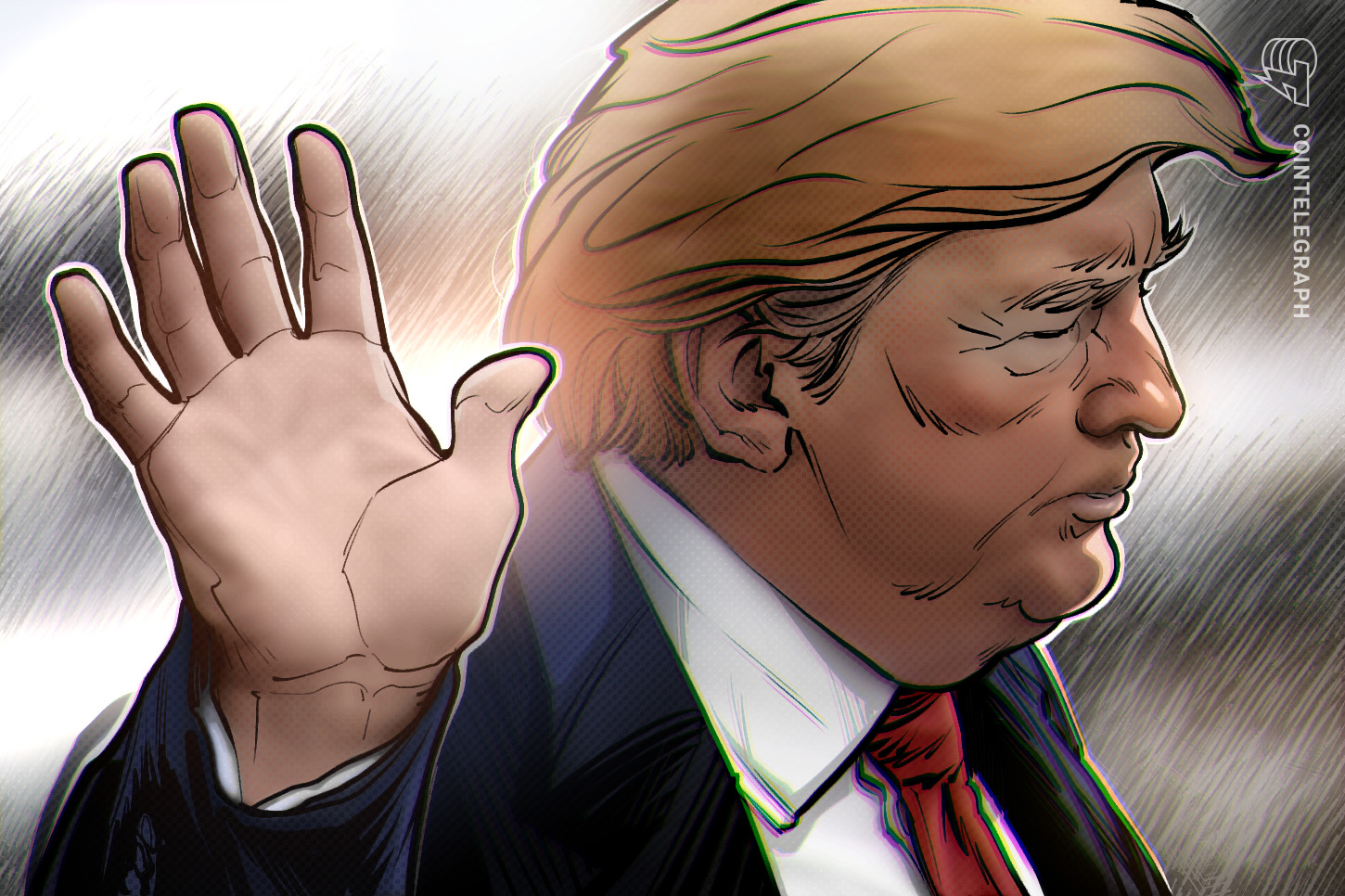
Donald Trump has stated there is nothing wrong with his $1.4 billion cryptocurrency windfall, framing the earnings as successful private ventures even as he oversees critical national digital asset policy.
Donald Trump has publicly defended his $1.4 billion earnings from cryptocurrency ventures while in office, stating there is 'nothing wrong' with the windfall as Congress votes on major digital asset legislation.
The President disclosed these massive earnings during a pivotal week for the United States financial sector. As Congress moves forward with a market structure bill and a ban on Central Bank Digital Currencies (CBDCs), Trump’s personal financial stake in the industry has become a focal point for both supporters and critics. For American investors, this transparency highlights the deep integration of digital assets within the highest levels of the U.S. government.
The Breakdown of the $1.4 Billion Disclosure
The sheer scale of the President’s earnings has shocked many in the traditional finance world. These profits are reportedly tied to various digital asset ventures, including licensed NFT (Non-Fungible Token) collections and direct holdings in various protocols. This level of wealth generation from crypto suggests a high level of sophistication in managing digital wallets and private keys.
Critics argue that such a massive windfall creates potential conflicts of interest. However, the President maintains that his business success is separate from his policy decisions. He suggests that his personal success in the market gives him a unique perspective on how to grow the American crypto economy without over-regulation.
Legislative Battles: CBDCs and Market Structure
The timing of this disclosure coincides with the CBDC Anti-Surveillance State Act. This bill aims to prevent the Federal Reserve from issuing a digital dollar, which many fear would infringe on the privacy of American citizens. Trump has signaled a strong preference for private-sector stablecoins (digital tokens pegged to the U.S. Dollar) over a government-controlled digital currency.
Additionally, Congress is working on a comprehensive market structure bill. This legislation seeks to clarify which digital assets are commodities and which are securities. According to data tracked by CoinGecko, the total crypto market cap often fluctuates based on these regulatory signals coming out of Washington D.C.
"There is nothing wrong with making money in a new and exciting industry like crypto. It shows that the American dream is alive in the digital age."
The Shift in Federal Posture
We are seeing a noticeable shift in how the executive branch views digital assets. Previously viewed with skepticism, the current narrative focuses on U.S. leadership in blockchain technology. The administration's goals currently include:
- Ensuring the U.S. remains the global hub for Bitcoin mining (the process of using computers to secure the network).
- Protecting the right to self-custody (holding your own digital assets without a middleman).
- Encouraging the use of DeFi (Decentralized Finance) platforms to increase financial inclusion.
What This Means for USA Investors
For the average American investor, the President's pro-crypto stance and personal profits have several immediate implications. First, it suggests a more favorable environment for domestic exchanges like Coinbase, Kraken, and Gemini. If the executive branch is personally invested in the industry's success, aggressive enforcement actions may see a decline.
From a tax perspective, the IRS (Internal Revenue Service) still treats these windfalls as property. This means:
- Every trade or sale is a taxable event subject to capital gains tax.
- Large disclosures like the President's emphasize the importance of Form 1040 compliance.
- State-level regulations, particularly in crypto-heavy states like Wyoming and Texas, may become even more business-friendly.
Investors should note that while the President's sentiment is bullish (expecting prices to rise), the SEC (Securities and Exchange Commission) and CFTC (Commodity Futures Trading Commission) still maintain oversight. Your USD price context will remain volatile as these legal frameworks are finalized over the coming months.
Navigating the New Political Crypto Landscape
As we head into a major election cycle, crypto has officially become a "ballot box" issue. Investors should monitor how these disclosures affect public opinion and whether other candidates will reveal similar holdings. The transparency of the blockchain means that on-chain data (the public record of transactions) will be used more frequently to verify the financial health of public figures.
Whether you are a beginner or an intermediate investor, understanding the intersection of politics and distributed ledger technology (the database that records crypto transactions) is now mandatory. The President's $1.4 billion windfall is not just a personal victory; it is a signal that the digital asset class has reached the highest tiers of American power.
Key Takeaways
- Analyze the ethical implications of a sitting President holding significant private digital asset wealth.
- Monitor the progress of the CBDC Anti-Surveillance State Act currently awaiting legislative signature.
- Evaluate how the President's personal crypto success might influence federal digital asset policies.
- Prepare for increased transparency requirements regarding executive branch financial disclosures.
- Understand the impact of price volatility on billion-dollar executive crypto portfolios.