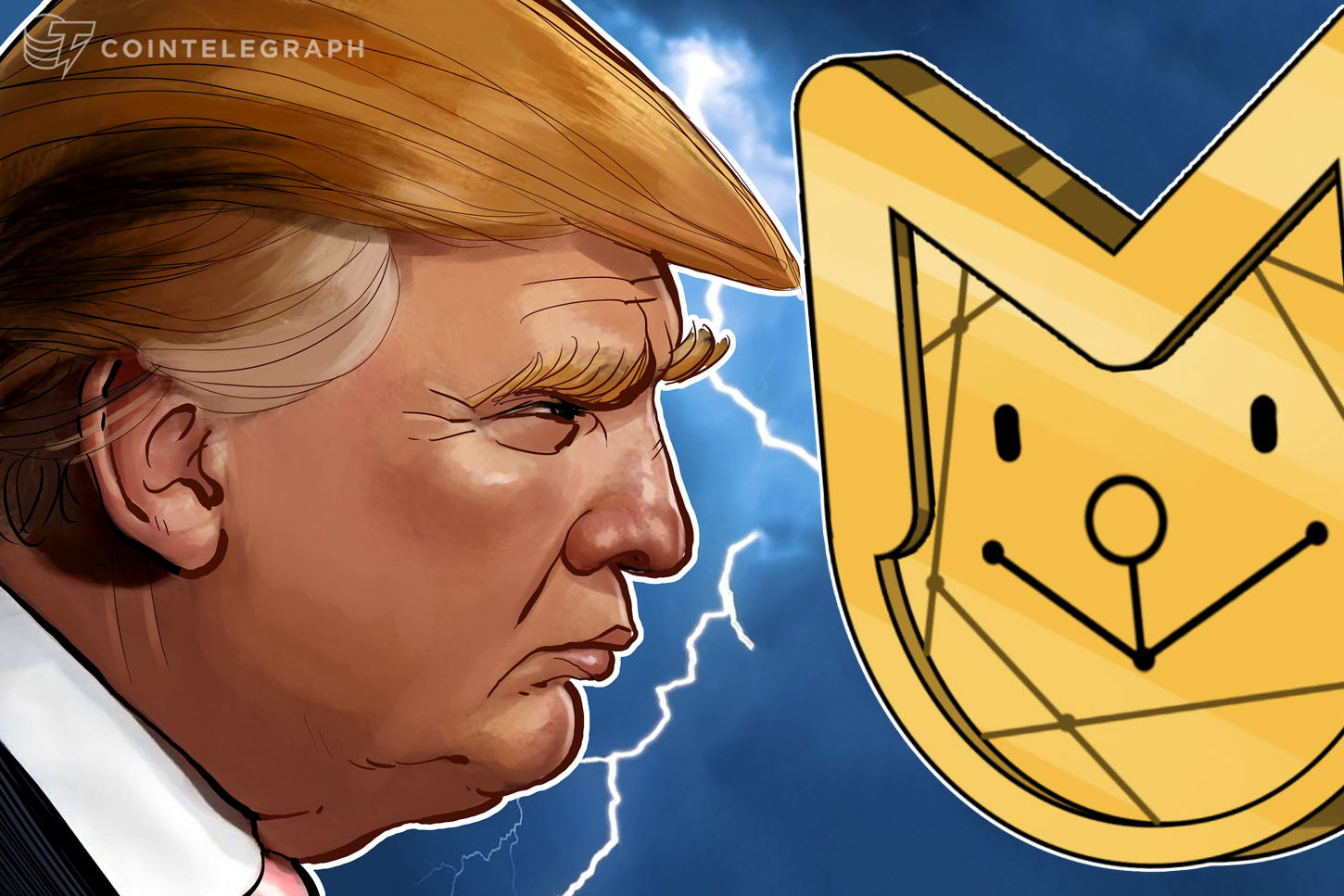
US Senator Kirsten Gillibrand is seeking to pass new legislation that would legally prohibit federal politicians from issuing, promoting, or controlling their own memecoins.
US Senator Kirsten Gillibrand is proposing legislation to ban elected officials from launching or promoting their own memecoins to prevent ethical conflicts and retail investor losses.
As the intersection of politics and decentralized finance grows, Washington D.C. is facing a new ethical dilemma. Senator Kirsten Gillibrand recently voiced concerns regarding elected officials leveraging their public standing to launch memecoins (cryptocurrencies based on internet jokes or viral trends with no inherent utility). This move aims to protect the integrity of the US financial markets and ensure that public servants are not profiting from retail investor speculation.
The Rise of Political Volatility in Crypto
In recent months, the crypto market has seen an explosion of "PolitiFi" tokens. These are digital assets themed after political candidates, slogans, or movements. While most are community-driven, the concern arises when the politicians themselves get involved.
Senator Gillibrand argues that allowing lawmakers to issue these tokens creates a massive conflict of interest. If a Senator can influence policy that affects the market, their own tokens could see artificial price spikes. This creates a dangerous environment for the average American investor who might buy in based on political loyalty rather than financial logic.
Protecting Retail Investors from Pump-and-Dumps
Memecoins are notoriously volatile. They often lack a whitepaper (a technical document explaining a project's purpose) or a roadmap. Many of these projects result in "rug pulls," which is a type of scam where developers abandon a project and run away with investors' funds.
- Market Manipulation: Politicians have a unique platform to move prices with a single tweet.
- Ethical Standards: Public office is intended for service, not for launching speculative retail products.
- Financial Risk: Beginners often lose their entire investment when these tokens crash by 90% or more in a day.
"The goal is to ensure that the trust placed in public officials is not commoditized for personal gain in the digital asset space."
The Legislative Path Forward
The proposed ban would likely be integrated into broader crypto frameworks currently being debated in the Senate. Lawmakers are increasingly looking at the SEC Crypto Assets guidelines to determine if these tokens qualify as unregistered securities. If a politician issues a token and promises profits based on their own actions, it could lead to severe legal penalties.
This is not just about banning a specific type of coin. It is about defining the boundaries of what is acceptable for a government official in the age of Web3 (the next generation of the internet built on blockchain).
- Drafting specific language for the Ethics in Government Act.
- Reviewing existing disclosure requirements for digital asset holdings.
- Coordinating with the CFTC to monitor token launches for fraudulent activity.
What This Means for USA Investors
For American investors, this regulatory push brings much-needed clarity. Currently, the IRS treats all crypto as property, meaning you must pay capital gains tax even on memecoin profits. If politicians are banned from these projects, it could reduce the number of high-profile scams targeting US citizens.
Exchange Availability and Safety
Major US exchanges like Coinbase, Kraken, and Gemini are highly selective about which tokens they list. Most political memecoins are only available on decentralized exchanges (DEXs), which lack the consumer protections of regulated platforms. A ban on political involvement would further signal to these major exchanges that PolitiFi tokens are high-risk assets.
Looking Toward 2024 and Beyond
As we head into major election cycles, the SEC and CFTC are expected to increase surveillance. Investors should be cautious of any token claiming to be "official" hardware from a campaign. Protecting your USD starts with understanding that political hype does not equal financial value.
Conclusion: A More Stable Market
While some argue this limits the freedom of politicians to interact with new technology, the majority of the US crypto community views this as a positive step toward legitimacy. By removing the potential for government-sponsored pump-and-dump schemes, the market can focus on real utility and institutional adoption.
Key Takeaways
- Prohibit members of Congress from issuing or controlling digital assets like memecoins.
- Prevent insider trading risks and pump-and-dump schemes involving public officials.
- Strengthen federal oversight of highly volatile tokens promoted by political figures.
- Protect retail investors from the extreme price swings typical of celebrity or political tokens.