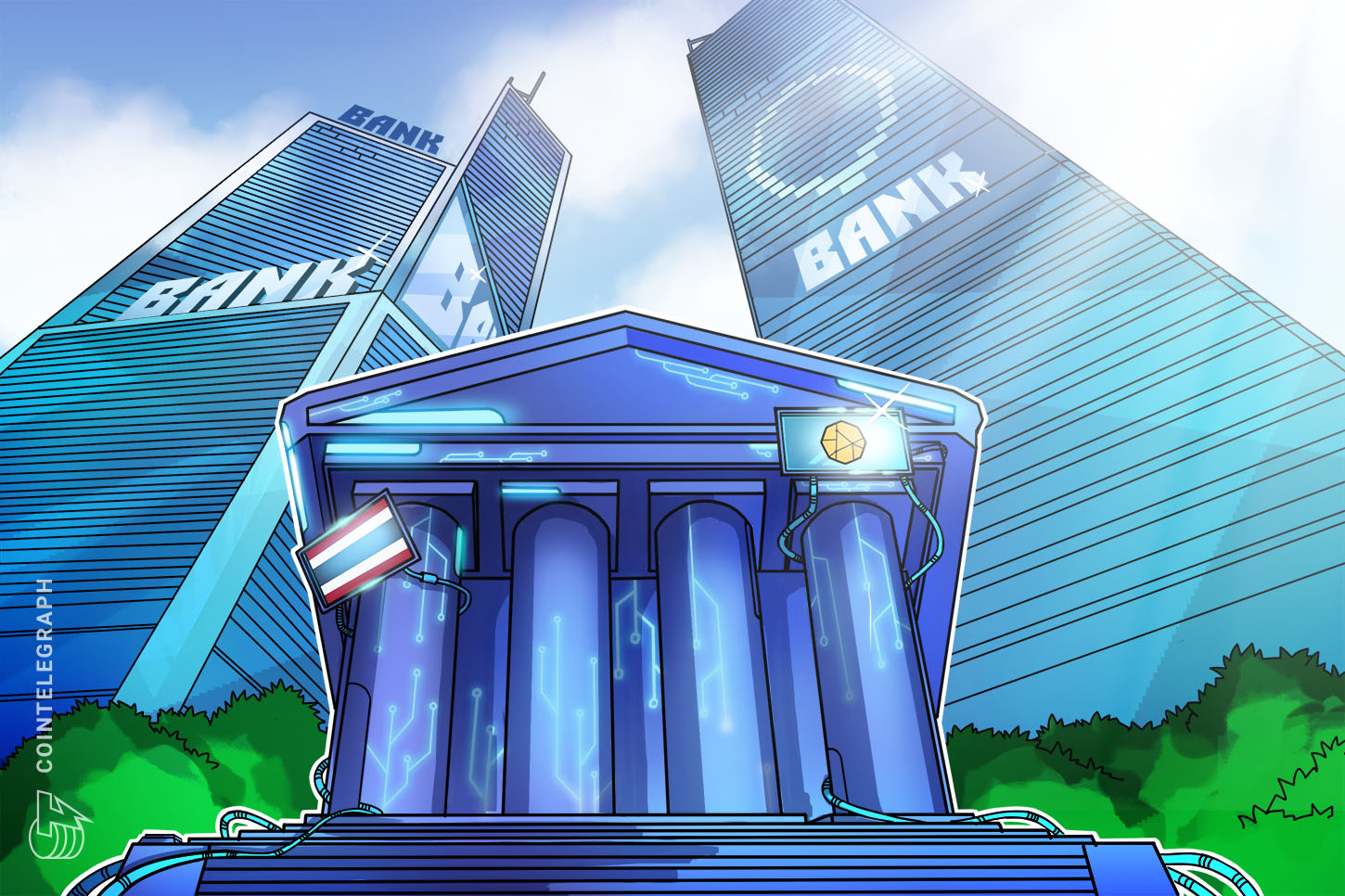
Thailand has officially launched a high-priority crackdown on USDT stablecoins and illicit cash flows to combat a massive 'gray money' economy operating within its borders.
Thailand is intensifying its crackdown on USDT stablecoins and illicit cash flows to dismantle cross-border 'gray money' networks linked to illegal scam centers.
The Bank of Thailand, in coordination with national security agencies, is moving to sever the financial lifelines of Chinese-affiliated scam centers. For American investors, this signals a growing global trend where regulators target stablecoins (cryptocurrencies pegged to a stable asset like the US Dollar) to stop money laundering. The operation focuses on how illegal proceeds move through 'mules' into the digital ecosystem.
The Rise of the Gray Money Economy
Thailand has become a central hub for Southeast Asian scam rings that generate billions in illicit revenue. These groups use a gray money system, which refers to funds that are legally ambiguous and often bypass traditional banking oversight. By utilizing Tether (USDT), these actors can move value across borders instantly without triggering standard bank alerts.
Regulators are particularly concerned with 'underground banks.' these are unregulated entities that exchange physical cash for digital tokens. Because USDT is the most liquid stablecoin, it has become the preferred tool for these shadow networks. Investors can track the massive volume of these assets via CoinGecko to see how USDT dominates the market compared to its peers.
Targeting USDT Liquidity
The crackdown isn't just about arrests; it is about choking off liquidity. Authorities are focusing on three main pillars of the illicit crypto trade:
- Account Freezing: Identifying bank accounts used to purchase crypto for criminal syndicates.
- P2P Monitoring: Increasing surveillance on Peer-to-Peer (direct person-to-person) trading platforms.
- Exchange Audits: Ensuring licensed digital asset exchanges are not facilitating large, unexplained USDT transfers.
"The speed of stablecoin transactions makes them highly attractive for criminals, but that same transparency on the blockchain is what will eventually lead to their downfall as we improve tracking tools."
How Scam Centers Use Crypto
The mechanics of these 'gray money' flows are sophisticated. Criminal organizations often recruit locals to open mule accounts (bank accounts managed by someone else for illegal purposes). These accounts receive scam victims' money, which is immediately converted into USDT to be sent offshore.
- Victims send funds to a local Thai bank account.
- The account owner (mule) transfers the funds to a crypto broker.
- Commonly, USDT is purchased to stabilize the value during the transfer.
- The tokens are sent to a private wallet outside the reach of Thai law enforcement.
What This Means for USA Investors
While this crackdown is centered in Thailand, its ripples will be felt by US investors. The Internal Revenue Service (IRS) and the Securities and Exchange Commission (SEC) are watching how foreign nations handle stablecoin regulation to inform US policy. If Thailand successfully restricts USDT flows, it could lead to higher volatility in the stablecoin's global liquidity pool.
For those using US-based exchanges like Coinbase or Kraken, the impact is likely minimal due to strict KYC (Know Your Customer) rules already in place. However, US traders should be aware that global regulatory pressure on Tether could affect its peg to the US Dollar in extreme scenarios. Always ensure your holdings are compliant with FBAR (Foreign Bank and Financial Accounts) reporting if you hold assets on foreign exchanges.
The Future of Global Stablecoin Policy
Thailand's move is part of a broader global effort to regulate DeFi (Decentralized Finance) tools that lack identity verification. As the Bank of Thailand tightens the noose, other nations in the region are expected to follow, potentially creating a unified regulatory front against illicit crypto flows.
For the average investor, this highlights the importance of using regulated domestic platforms. While the 'gray market' offers anonymity, it also carries the highest risk of government seizure and loss of funds. Staying informed on these international shifts is crucial for managing a modern crypto portfolio.
Key Takeaways
- Identify Tether (USDT) as the primary vehicle for illicit cross-border money laundering in Southeast Asia.
- Target 'gray money' networks that convert illegal scam proceeds into digital assets through underground banks.
- Implement stricter liquidity controls to prevent the flight of capital through unregulated stablecoin channels.
- Collaborate with international law enforcement to track Chinese-affiliated criminal syndicates using crypto.