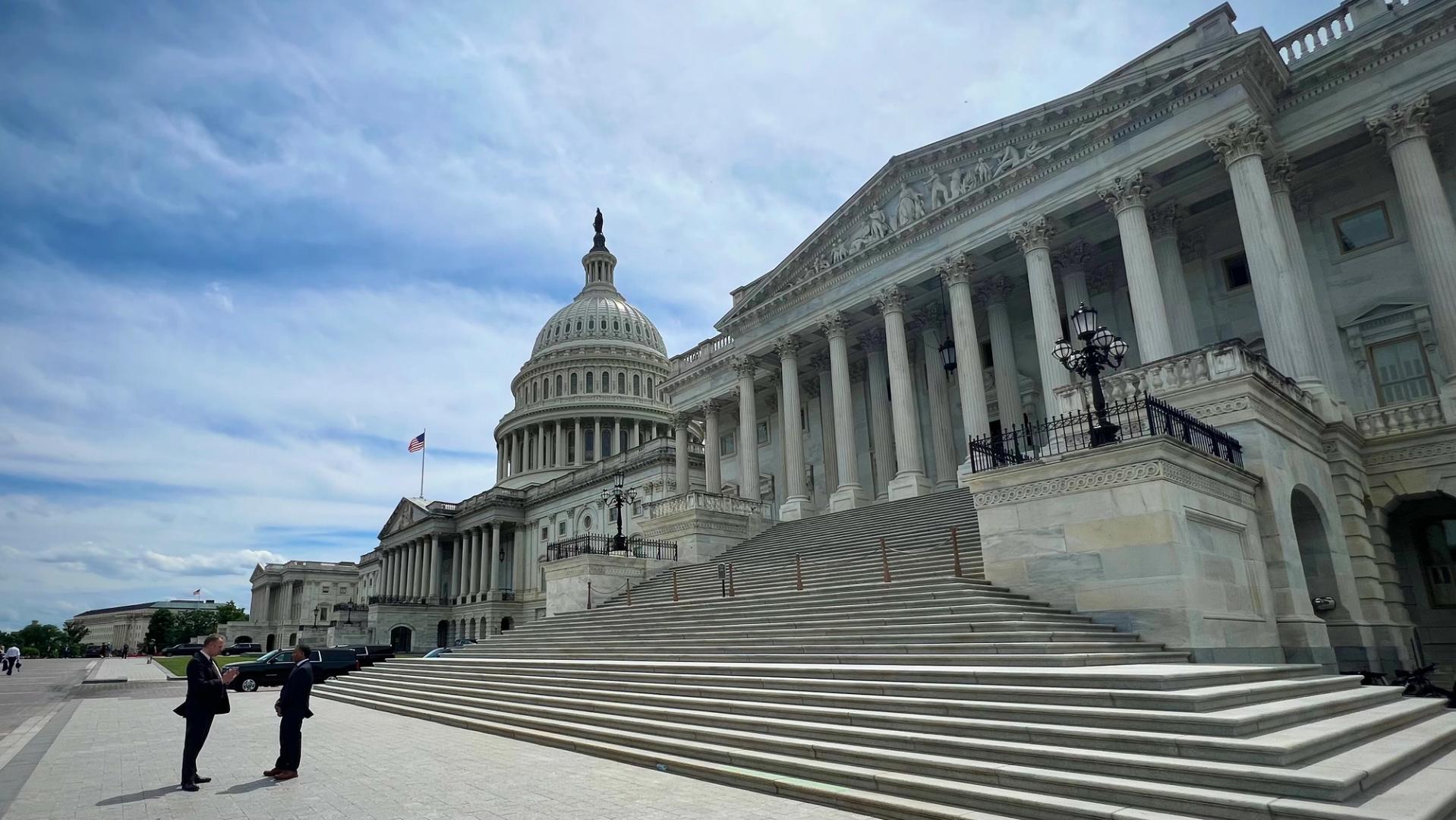
The US Clarity Act is showing significant signs of life as lawmakers prepare a fresh draft to regulate how stablecoins operate within the American financial system.
The Clarity for Payment Stablecoins Act is seeing renewed movement in Congress, potentially creating the first major federal framework for dollar-pegged digital assets in the United States.
After months of legislative gridlock, Washington insiders are pointing toward a pivotal week for digital asset policy. A revised version of the Clarity for Payment Stablecoins Act (a bill designed to set rules for tokens pegged to the US dollar) is reportedly nearing a public debut. For American investors, this move signals a transition from the "Wild West" of unregulated digital dollars to a structured, federally overseen market.
The Push for Stablecoin Rules in 2026
Stablecoins (cryptocurrencies designed to maintain a steady value, usually $1.00) have become the backbone of the crypto economy. However, US regulators have long worried about the reserves backing these assets. If a major stablecoin were to fail, it could trigger a broader financial crisis.
The new draft aims to solve this by creating a "Federal floor" for stablecoin issuers. This would require companies to meet strict requirements regarding their cash reserves and operational transparency. This legislation is the most serious attempt yet to bring digital dollars into the fold of the traditional US banking system.
"Establishing a clear federal framework for stablecoins is not just about crypto; it is about protecting the dominance of the US Dollar in the digital age and ensuring consumer safety."
What is Inside the New Clarity Act?
While the full text is still under wraps, the core pillars of the Clarity Act focus on safety and soundness. Lawmakers want to ensure that every digital dollar issued is actually backed by highly liquid assets like US Treasuries or cold hard cash. Here are the primary goals of the updated legislation:
- Mandatory Reserves: Issuers must prove they hold a 1:1 ratio of assets to tokens.
- Operational Oversight: Companies like Circle (USDC) would face audits similar to commercial banks.
- Consumer Redress: Federal guidelines would dictate how users get their money back if an issuer goes bankrupt.
According to data from CoinGecko, the stablecoin market cap remains a massive portion of the total crypto economy, highlighting why Congress is making this a priority.
Challenges on the Road to Passing
Despite the renewed energy, the path to a law is still filled with obstacles. Both the House and the Senate must agree on the specifics of who gets to be the primary regulator. Is it the Federal Reserve (the US central bank) or state-level regulators like the NYDFS?
- Partisan Disagreements: Disputes over how much power the Federal Reserve should have over state-chartered firms.
- The Legislative Calendar: Short windows of time before election cycles often distract from complex financial bills.
- Technical Complexity: Defining what counts as a "payment stablecoin" versus a "utility token."
The Role of the SEC and CFTC
The Securities and Exchange Commission (SEC) and the Commodity Futures Trading Commission (CFTC) are also watching closely. A clear bill would remove the guesswork of whether a stablecoin is a "security" (an investment contract) or a "commodity" (a raw good like gold). This clarity would stop the current "regulation by enforcement" trend that has frustrated many US tech firms.
What This Means for USA Investors
For the average American crypto user, federal regulation is a double-edged sword. On one hand, it increases safety. You can feel more confident that your $1.00 in a stablecoin won't suddenly vanish. On the other hand, it may lead to stricter KYC (Know Your Customer) identity checks on decentralized platforms.
Tax implications are also paramount. The IRS (Internal Revenue Service) currently treats crypto as property. If stablecoins become a regulated payment method, we might eventually see changes in how “micro-transactions” are taxed, though for now, every trade remains a taxable event. Major US exchanges like Coinbase, Kraken, and Gemini would likely be the first to adopt these federal standards, making them the safest places for US citizens to hold digital assets.
The Future of Digital Dollars
If the Clarity Act passes, it could pave the way for a more mainstream adoption of blockchain technology in the US. Large banks might start issuing their own stablecoins, further blurring the line between your bank account and your crypto wallet. Investors should keep an eye on Washington this week, as the language in this draft will define the next decade of American FinTech (Financial Technology).
Key Takeaways
- Monitor the new draft of the Clarity Act expected to debut in Washington D.C. this week.
- Understand that stablecoin issuers may soon face strict federal bank-like supervision.
- Watch for potential impacts on USD-backed assets like USDC and USDT on major US exchanges.
- Evaluate how federal oversight could provide more protection for retail investors' cash equivalents.
- Anticipate bipartisan hurdles that still remain before the bill reaches the President's desk.