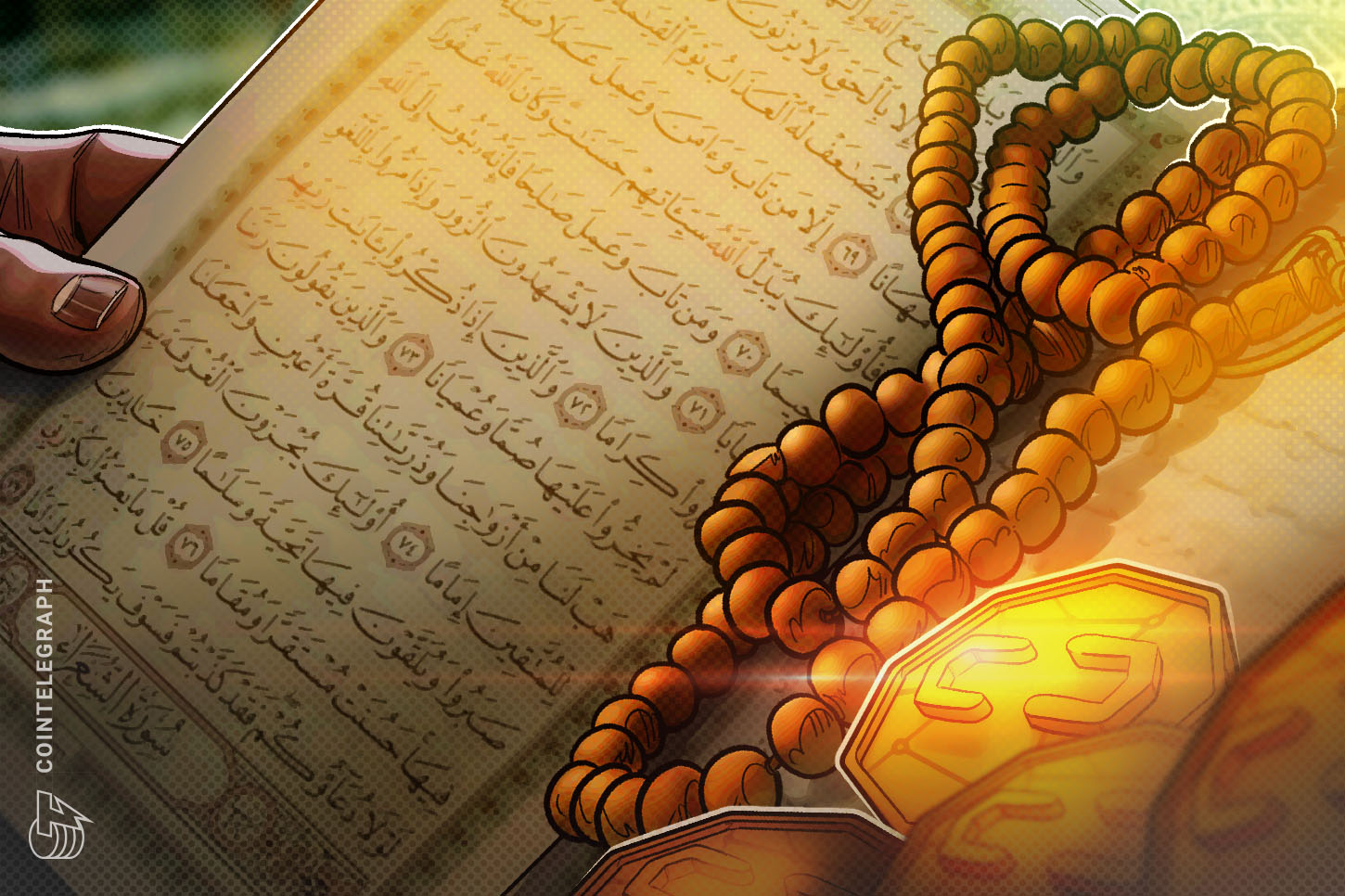
Pakistan's primary digital asset regulator is pushing for renewed dialogue with religious leaders following a high-profile ruling that labels cryptocurrency payments as non-compliant with Islamic law.
Pakistan’s top virtual-asset regulator is seeking further discussions after an Islamic scholar supported a ruling declaring crypto payments non-compliant with Shariah law.
The debate over digital currencies in Pakistan has reached a fever pitch this week. As one of the world's fastest-growing markets for grassroots adoption, the nation now faces a significant hurdle regarding the religious legality of Bitcoin and Altcoins.
For American investors, this development highlights the complex cultural and legal barriers that continue to slow global crypto integration. While the U.S. focuses on SEC compliance, other nations are navigating the intersection of ancient law and modern fintech.
The Clash of Religion and Digital Finance
A prominent Islamic scholar recently backed a formal ruling against the use of cryptocurrencies for daily transactions. This stance argues that digital assets lack the intrinsic value or government backing required for Shariah-compliant trade.
In response, the head of Pakistan's virtual asset regulation body met with religious authorities to provide technical clarity. The goal is to ensure that policymakers do not rush into a total ban without understanding the underlying blockchain technology.
"The lack of physical backing in digital assets remains a primary concern for scholars who view crypto as a form of speculative gambling rather than a currency."
Regulators Seek a Middle Ground
Regulators are attempting to bridge the gap between traditional scholars and tech-savvy youth. They argue that Blockchain (a decentralized digital ledger) can actually enhance transparency and ethics in finance.
Public discourse in Pakistan suggests the following concerns among local authorities:
- Market Volatility: The extreme price swings that can wipe out retail savings.
- Lack of Recourse: The difficulty of recovering funds in the event of a hack or scam.
- Economic Sovereignty: The fear that decentralized coins might undermine the national rupee.
Global Impact on Crypto Liquidity
While Pakistan is thousands of miles from Wall Street, its regulatory climate matters. Large amounts of retail capital flow through Asian markets, impacting the global spot price tracked by CoinGecko.
If major Islamic nations move toward a hard ban, it could reduce global user growth significantly. Conversely, if regulators successfully argue that crypto is "Halal" (permissible), it could unlock billions in new capital from the Middle East and South Asia.
Stages of the Regulatory Debate
- Initial Ruling: Scholars issue a Fatwa (religious decree) against crypto payments.
- Regulator Response: The virtual asset chief requests a technical briefing to explain cooling-off periods and consumer protections.
- Public Consultation: Stakeholders, including local exchanges and banks, provide input on the economic risks of a ban.
- Final Policy Formulation: A hybrid framework that allows for tech innovation while respecting religious norms.
What This Means for USA Investors
For those trading on Coinbase or Kraken, international news like this creates "noise" but rarely changes US tax law. The IRS (Internal Revenue Service) treats crypto as property, regardless of how other nations classify it religiously.
However, US investors should note that if Pakistan bans crypto, it may increase pressure on American regulators to monitor cross-border peer-to-peer (P2P) transfers. Furthermore, a ban in a large market often leads to short-term downward pressure on the USD price of Bitcoin.
Most experts suggest that US-based investors remain focused on SEC (Securities and Exchange Commission) developments, though global sentiment often starts with these local regulatory disputes.
Key Takeaways
- Identify the growing tension between religious rulings and modern digital asset regulation in Pakistan.
- Monitor how international regulatory shifts impact global Bitcoin liquidity and US investor sentiment.
- Understand the role of the Virtual Assets Regulatory Authority in mediating between scholars and tech firms.
- Recognize that Shariah compliance remains a significant hurdle for crypto adoption in Islamic nations.