A new bipartisan housing law taking effect tonight at midnight includes a strict temporary ban on the creation of a U.S. Central Bank Digital Currency (CBDC), effectively halting the development of a federal 'digital dollar.'
A temporary ban on a U.S. government-issued Central Bank Digital Currency (CBDC) takes effect at midnight under a new bipartisan housing law.
Starting tonight, the United States government faces a significant legislative roadblock in its journey toward a digital version of the U.S. Dollar. Although the provision is tucked inside a broader housing bill, its implications for the financial technology sector are massive. For American investors, this means the 'programmable money' many feared is officially on hold as the law goes into effect today.
The Midnight Deadline: How the Ban Becomes Law
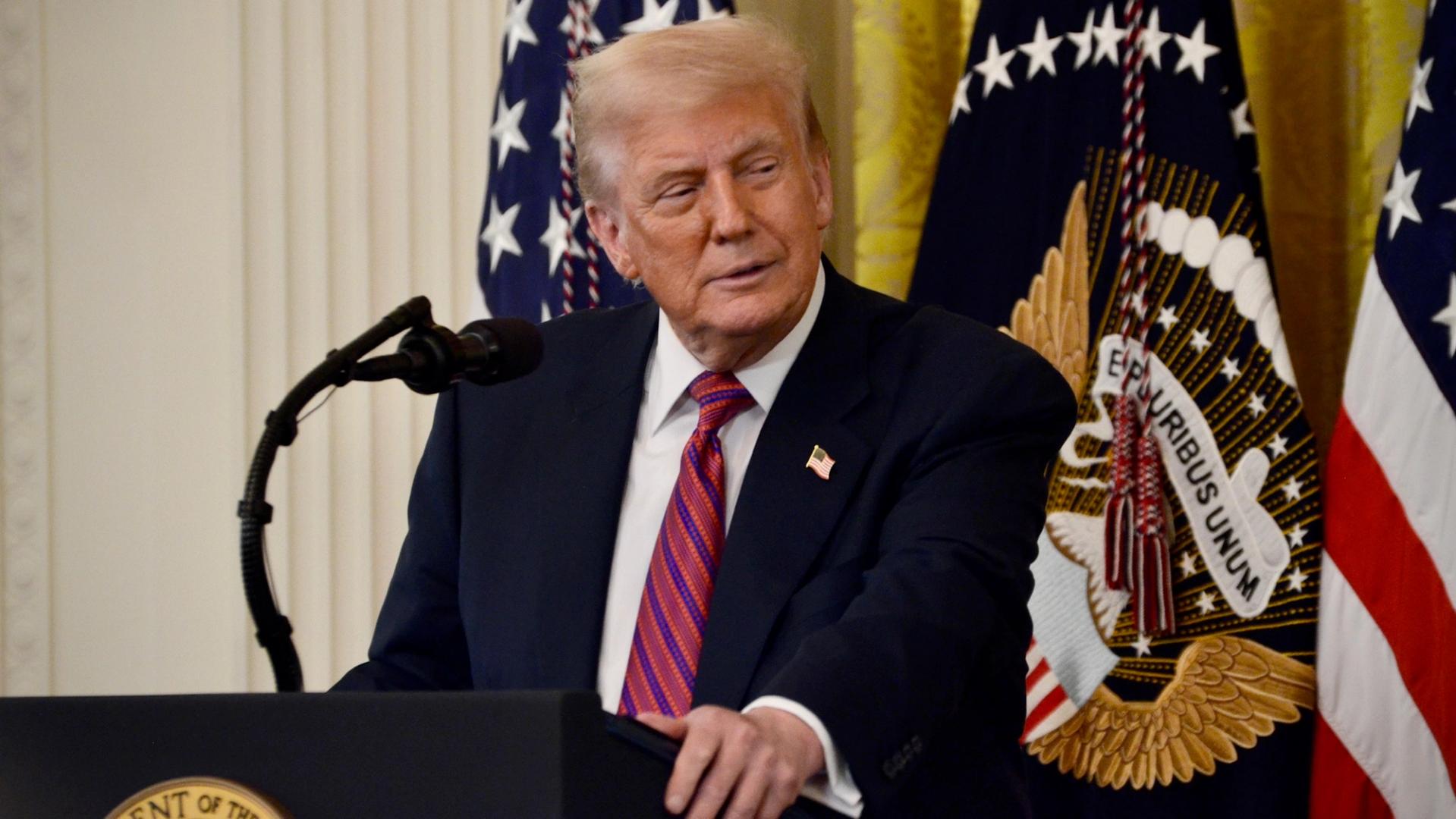
The path to this ban was unconventional. Despite President Donald Trump’s refusal to sign the bipartisan housing bill, the legislation is set to become law automatically at midnight. Under U.S. constitutional procedures, if a President does not sign a bill within ten days while Congress is in session, it becomes law without a signature.
This "automatic" activation means that the CBDC (Central Bank Digital Currency—a digital form of a country's sovereign currency) limit is now legally binding. While the restriction is temporary, it signals a strong pushback from lawmakers against centralized government control over digital assets. This move aligns with a growing movement in Washington to protect financial privacy and prevent federal overreach into personal bank accounts.
Understanding the CBDC Restriction
The core of this law prevents the Federal Reserve from issuing a retail CBDC directly to individuals. Proponents of the ban argue that a government-run digital dollar could lead to unprecedented surveillance of American spending habits. By blocking the Federal Reserve (the central banking system of the U.S.) from moving forward, Congress has effectively frozen the project in its tracks.
Many crypto enthusiasts view this as a win for decentralization (the distribution of power away from a central authority). Use of private alternatives is expected to grow as the government's own digital aspirations are sidelined. According to data tracked on CoinGecko, the stablecoin market remains a dominant force, often filling the gap that a CBDC would theoretically occupy.
"The implementation of this ban marks a decisive stand for financial privacy, ensuring that the government cannot weaponize the banking system against its citizens through a centralized ledger."
Why CBDCs Are Controversial in the USA
American skepticism toward a digital dollar stems from several key concerns that bridge both political parties. Investors should be aware of these three primary arguments used by lawmakers to justify the ban:
- Financial Privacy: Concerns that the government could track every transaction made by a citizen in real-time.
- Banking Stability: Fears that a CBDC would cause people to pull money out of traditional banks, weakening the private financial sector.
- Freedom of Choice: The belief that the government should not compete with private innovations like Bitcoin or stablecoins.
The Shift Toward Private Stablecoins
With a federal digital dollar off the table for now, the spotlight shifts to stablecoins (cryptocurrencies pegged to the value of a stable asset like the USD). Companies like Circle (the issuer of USDC) and Tether are likely to see increased relevance. These private entities provide the digital liquidly the market demands without the direct federal oversight associated with a CBDC.
This legislative pause creates a 'cooling-off' period. It allows for more debate on how a blockchain (a digital, decentralized ledger of all transactions) should interact with the legacy banking system. For the average investor, this suggests that the current ecosystem of exchanges (platforms where you buy and sell crypto) will remain the primary gateway for digital dollars.
What This Means for USA Investors
The immediate impact for U.S. investors is stability in the current regulatory landscape. Because a CBDC is not coming to fruition tonight, the IRS (Internal Revenue Service) will continue to treat existing digital assets under current tax frameworks without the complication of a government-issued competitor.
- Tax Treatment: There are no changes to how you report your crypto gains; the digital dollar ban does not affect your 1099-DA forms.
- Exchange Access: Major U.S. platforms like Coinbase, Kraken, and Gemini remain your primary source for USD-backed digital assets.
- SEC Posture: The SEC (Securities and Exchange Commission) is likely to continue its focus on private tokens now that the Fed's own project is on hiatus.
- USD Dominance: The ban ensures that the traditional USD remains the only official legal tender, preventing confusion in the DeFi (Decentralized Finance) markets.
As the law takes effect, US-based investors should keep a close eye on stablecoin legislation. While the CBDC is banned, Congress is still actively working on rules that would regulate private stablecoins like USDC. This could provide a much-needed legal bridge for institutional investors who have been waiting for more clarity before entering the market.
Looking Ahead: The Global Context
While the U.S. pulls back, other nations are moving full speed ahead. China’s digital yuan is already in use, and the European Union is progressing with a digital euro. The U.S. ban is temporary, but it sets a precedent that the American path to a digital economy will be led by the private sector rather than a central government mandate. For now, the "digital dollar" remains a concept rather than a reality for American wallets.
Key Takeaways
- Identify that the federal digital dollar ban triggers tonight via a provision in the bipartisan housing bill.
- Recognize that the law becomes active automatically despite President Trump’s refusal to sign the legislation.
- Understand that this restriction prevents the Federal Reserve from issuing a retail CBDC without authorization.
- Evaluate the positive impact this may have on private stablecoin issuers like Circle and Paxos.
- Monitor how this cooling period affects the global race for digital currency dominance against China.