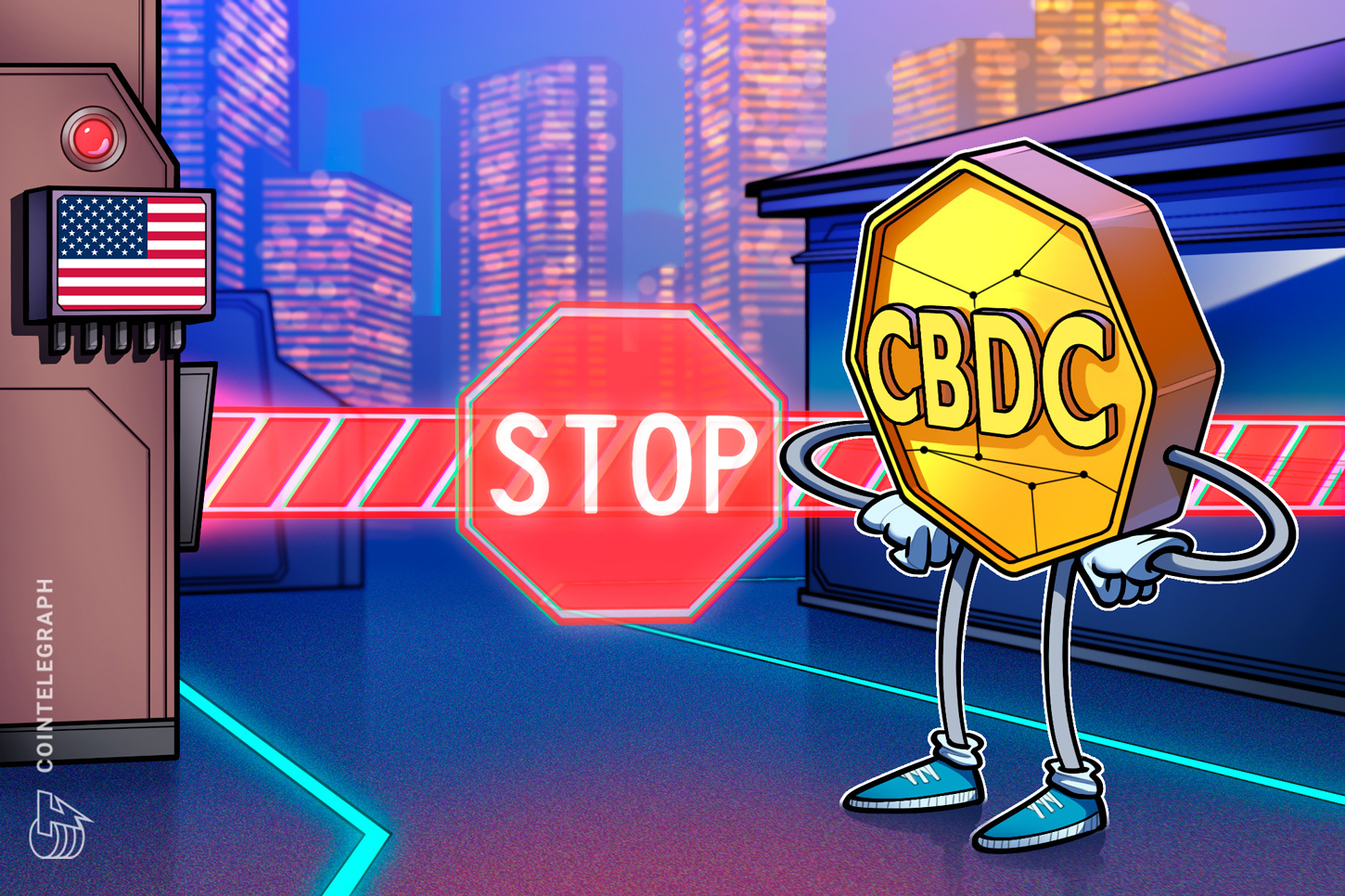
The United States is moving toward a formal ban on the issuance of a Central Bank Digital Currency (CBDC) through 2030 following the House's passage of a landmark housing bill.
The U.S. House of Representatives has passed a housing bill that effectively bans the creation of a Central Bank Digital Currency (CBDC) until 2030, pending President Trump's signature.
This legislative move effectively halts the Federal Reserve's ability to launch a "digital dollar" for retail use for the next six years. The provision was bundled into a broader housing package that now sits on President Donald Trump’s desk for an expected signature. For American investors, this marks a significant victory for financial privacy and the continued dominance of private crypto assets.
The CBDC Moratorium Explained
A Central Bank Digital Currency (CBDC) is a digital version of a nation's fiat currency (government-issued money) that is backed and issued by the central bank. Unlike Bitcoin, which is decentralized and operates without a singular authority, a CBDC would be fully controlled by the Federal Reserve.
The current legislation ensures that the Fed cannot issue such a currency directly to individuals. This prevents the government from potentially monitoring every transaction made by American citizens. Lawmakers have expressed concerns that a digital dollar could be used for financial surveillance or social engineering by restricting how people spend their money.
Why Congress is Pushing Back
The push to ban the CBDC until 2030 stems from a desire to protect the existing banking system and private stablecoin market. If the government offered a digital dollar, it could compete with private companies like Circle or Tether, which currently dominate the stablecoin market (digital assets pegged to the value of the USD).
"Federal overreach into our wallets is a non-starter for the American people; a digital dollar must never be used as a tool for surveillance or political control."
By delaying any government-led digital currency, the U.S. is signaling that it prefers private-sector innovation over state-controlled payment systems. This aligns with the broader "pro-crypto" stance currently seen in Washington D.C., where the focus has shifted toward institutional adoption of Bitcoin ETFs (Exchange Traded Funds) rather than government-run tokens.
Impact on the US Financial System
The ban has several immediate implications for the U.S. financial landscape, particularly for those using Coinbase or Kraken. Without a government competitor, these exchanges will likely see continued growth in the use of compliant stablecoins like USDC.
- Privacy Protection: Eliminates the risk of the IRS or other agencies having a direct real-time feed of your digital wallet transactions.
- Market Stability: Provides a clear 6-year window for private stablecoin developers to harmonize with federal regulations.
- Global Competitiveness: While China moves forward with its digital yuan, the US is betting on a decentralized model led by private companies.
The Legislative Journey and Key Players
The provision made its way through the House as part of a bipartisan compromise. While the bill covers housing affordability, the crypto-related language was added to ensure the Federal Reserve does not act outside of congressional authority. This clarifies that only Congress has the power to authorize a brand-new form of legal tender.
- The House of Representatives drafted and passed the specific anti-CBDC language within the housing package.
- The Senate aligned on the moratorium to avoid a lengthy debate over digital assets in a must-pass bill.
- President Trump is now the final gatekeeper, with his signature expected to make the ban official law.
What This Means for USA Investors
For the average American crypto enthusiast, this news is widely considered "bullish" or positive for price potential. It removes the immediate threat of a government-backed competitor to assets like Bitcoin or Ethereum. Additionally, it clarifies the IRS tax treatment of digital assets; since no CBDC will exist, taxpayers will continue to report digital transactions under the current capital gains framework rather than dealing with a complex new "government cash" category.
Investors can check current market sentiment and stablecoin peg data on CoinGecko to see how the market is reacting to these regulatory shifts. This moratorium also suggests that SEC (Securities and Exchange Commission) and CFTC (Commodity Futures Trading Commission) focus will remain on regulating private exchanges rather than managing a public ledger.
Looking Ahead to 2030
While the ban lasts until 2030, the conversation is far from over. Technological shifts in the next six years could change the political appetite for a digital dollar. However, for now, the U.S. has chosen a path of decentralization and private enterprise. This provides a stable environment for American developers to build the next generation of financial tools without the shadow of a state-controlled rival.
Key Takeaways
- Prohibits the Federal Reserve from issuing a digital dollar to individuals without express authorization.
- Extends the moratorium on CBDC development until at least the year 2030.
- Protects financial privacy by preventing direct government oversight of personal transactions via a CBDC.
- Alleviates fears that a government-run digital currency would compete directly with private stablecoins.