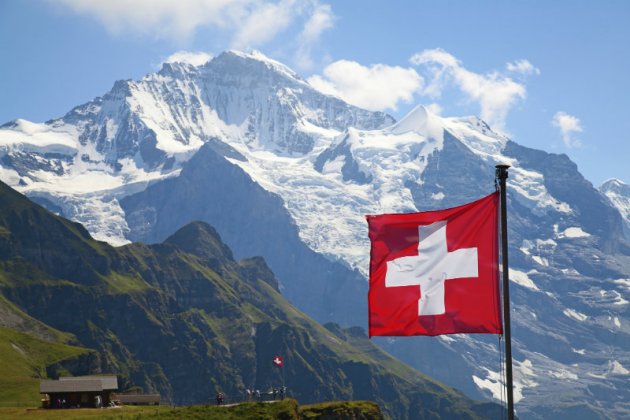
Bitcoin Suisse has officially secured a MiCAR-compliant license in Liechtenstein, marking a major milestone for regulated cryptocurrency services in Europe and providing a potential roadmap for global compliance.
Bitcoin Suisse has secured a MiCAR-compliant Crypto Asset Service Provider (CASP) license in Liechtenstein, allowing the firm to expand regulated services across the European Economic Area.
The Financial Market Authority (FMA) of Liechtenstein granted the Crypto Asset Service Provider (CASP) license to the Swiss-based firm. This move is significant for U.S. investors and market observers because it represents the first wave of mainstream adoption of the Markets in Crypto-Assets (MiCAR) framework. As Europe consolidates its rules, the pressure mounts on Washington to provide similar clarity for American digital asset firms.
Understanding the MiCAR Revolution
The MiCAR framework is a comprehensive set of laws designed to govern the issuance and trading of digital assets across the European Union and the European Economic Area (EEA). By obtaining this license, Bitcoin Suisse can now "passport" its services, meaning it can operate across multiple European borders without seeking individual approvals from every single country.
For the average investor, this brings a level of consumer protection previously unseen in the volatile crypto space. It mandates strict rules on how firms handle client funds, manage security, and disclose risks to the public.
Why Liechtenstein is the Strategic Hub
Liechtenstein has long been a favored jurisdiction for fintech companies due to its agile regulatory environment and membership in the EEA. By setting up its MiCAR base here, Bitcoin Suisse gains a gateway into the massive European market while maintaining its heritage in neighboring Switzerland.
The Benefits of CASP Status
A CASP (Crypto Asset Service Provider) is a legal designation that allows a company to offer services like custody (holding your coins securely), exchange (trading one coin for another), and advisory. To earn this title, firms must prove they have robust capital reserves and advanced anti-money laundering protocols.
Investors looking for stability often track these developments to see which platforms are safest for long-term holdings. You can monitor how these regulated leaders compare to the broader market by checking a list of CoinGecko top altcoins to see which assets are gaining institutional traction.
The Global Shift Toward Regulation
Bitcoin Suisse’s move is part of a broader trend where established crypto firms are seeking the "gold standard" of licensing. This isn't just about following rules; it's about attracting institutional money from hedge funds and pension plans that require a regulated environment before they can invest.
"The approval of the MiCAR license is a pivotal moment for the European crypto ecosystem, offering a level of legal certainty that enables institutional-grade service providers to scale with confidence."
The firm has indicated that this license will allow them to expand their product suite, including more sophisticated institutional trading tools and expanded custody solutions for high-net-worth individuals.
What This Means for USA Investors
While Bitcoin Suisse primarily serves European and institutional clients, this news has direct implications for the American crypto landscape. It highlights a growing "regulatory arbitrage" where firms may choose to grow in Europe or the UAE while the U.S. continues to struggle with SEC (Securities and Exchange Commission) enforcement actions.
- Exchange Availability: Major US platforms like Coinbase and Kraken are already seeking similar licenses in Europe to expand their global footprint while fighting for domestic clarity.
- Tax Treatment: While MiCAR simplifies European rules, US residents remain subject to IRS reporting, where every trade is a taxable event regardless of where the exchange is licensed.
- Market Stability: Increased regulation in Europe often leads to lower volatility and higher liquidity in USD-denominated pairs, benefiting retail traders in the States.
The Move to a Regulated Future
As we head into the next market cycle, the distinction between "offshore" and "regulated" exchanges will become sharper. The success of firms like Bitcoin Suisse under MiCAR suggests that the industry is maturing beyond its "wild west" origins.
- Firms apply for strict licensing to prove solvency.
- Legislators provide clear rules for stablecoins and utility tokens.
- Institutional capital enters the market through these regulated gateways.
- Retail investors benefit from enhanced fund protection and insurance.
For US-based investors, the European progress serves as a signal. If the American regulatory environment eventually mirrors the clarity of MiCAR, we could see a massive influx of capital into domestic digital asset markets.
Key Takeaways
- Secure legal standing across Europe through Liechtenstein’s FMA approval of the MiCAR license.
- Streamline cross-border crypto services within the EU's newly unified regulatory framework.
- Highlight the growing gap between Europe's clear crypto laws and the shifting US regulatory landscape.
- Position Bitcoin Suisse for institutional growth by meeting strict capital and security standards.