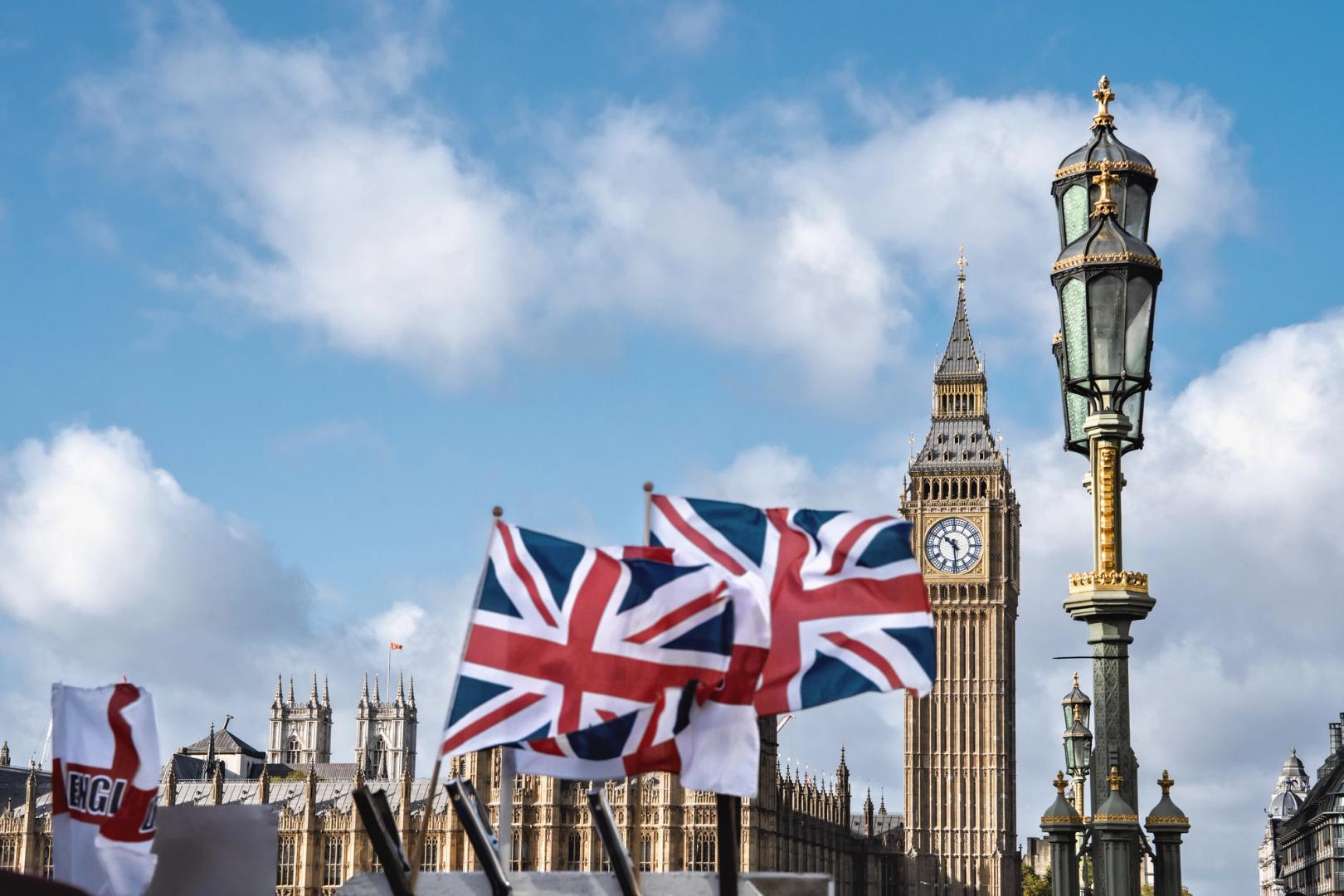
The United Kingdom is aggressively implementing new laws to provide legal clarity for digital assets, signaling a major shift toward becoming a premier global cryptocurrency hub.
The United Kingdom is implementing a comprehensive regulatory framework for digital assets to establish itself as a global crypto hub, potentially pressuring US regulators to provide similar clarity for domestic investors.
After years of cautious observation, the British government is finally accelerating its legislative agenda for the crypto sector. For US investors, this transition matters because it creates a sophisticated alternative market and puts significant pressure on American lawmakers to keep pace. While the US often grapples with regulation through enforcement, the UK is moving toward a statutory framework that defines exactly how assets should be handled.
Establishing a Comprehensive Legal Framework
The UK's recent progress involves defining digital assets as a distinct form of personal property. This legal distinction is crucial because it provides owners with specific rights during disputes or insolvencies. In the United States, property rights for tokens can often be muddy depending on whether they are viewed as securities or commodities.
By providing a clear rulebook, the Financial Conduct Authority (FCA) is ensuring that businesses know the boundaries of operation. This clarity includes strict rules on how crypto is marketed to retail consumers to prevent fraud. According to recent data from CoinGecko, global market sentiment often reacts positively to such regulatory milestones, as they pave the way for institutional capital inflow.
"The shift from 'wait and see' to 'build and lead' in the UK market marks a turning point for global digital asset standards."
The Role of Stablecoins and Payments
A major pillar of the British strategy involves the integration of stablecoins (cryptocurrencies pegged to a stable asset like the US Dollar or British Pound). The government aims to bring these assets into the existing payments perimeter. This moves crypto away from being a mere speculative tool and toward a functional medium for daily commerce.
For an investor using Coinbase or Kraken, this global standardization is beneficial. When one major economy perfects stablecoin regulation, it often serves as a blueprint for others. We are seeing a race where the UK wants to ensure that the next major digital payment processor chooses London over New York or Singapore.
- Institutional Safety: Clearer laws mean more banks are willing to offer crypto services.
- Consumer Protection: Strict marketing rules reduce the prevalence of "rug pulls" and scams.
- Innovation Zones: Flexible regulatory sandboxes allow firms to test new blockchain tech.
- Tax Efficiency: Ongoing reviews seek to make the UK tax-friendly for crypto funds.
Competitive Pressure on the United States
The UK's "serious" turn creates a competitive vacuum that might pull talent and capital away from the US. If a crypto startup finds it easier to get a license in London than in San Francisco, the American economy loses out on innovation. This dynamic is currently a hot topic in Washington D.C., where the SEC (Securities and Exchange Commission) faces criticism for its restrictive approach.
Investors should watch for a "domino effect" where US politicians use the UK's success as a talking point to passed stalled bills like the FIT21 Act. The goal for many in the industry is to achieve a harmonized global standard that allows for seamless cross-border trading.
- The UK Parliament passes foundational digital asset legislation.
- Regulatory bodies like the FCA issue specific licensing requirements.
- Major US exchanges expand their British operations to capture the market.
- Increased trade volume leads to higher global liquidity for major tokens.
What This Means for USA Investors
For those based in the United States, the UK’s progress has immediate practical implications. While you still owe IRS taxes on all crypto gains (treated as capital gains property), the emergence of a regulated UK market provides better price discovery for your holdings. Most major US exchanges like Coinbase and Gemini already operate in the UK, meaning these platforms will likely become more robust as they comply with British standards.
Furthermore, the SEC and CFTC (Commodity Futures Trading Commission) often look to their peers in the G7 for policy inspiration. If the UK successfully integrates crypto without a surge in financial crime, it weakens the argument for heavy-handed bans in the US. However, investors should remember that UK-regulated products (like certain crypto ETPs) may not be directly available to US retail investors due to local securities laws.
Impact on Market Volatility
As the UK market matures, expect less erratic price swings driven by regulatory FUD (Fear, Uncertainty, and Doubt). A stable, regulated London market acts as a ballast for the entire ecosystem. For the intermediate investor, this suggests a long-term trend toward Bitcoin and Ethereum becoming mainstream financial assets similar to stocks or bonds.
Ultimately, the UK's move is a signal that the "wild west" era is ending. For US investors, this is a net positive that promises a more professional and liquid trading environment globally.
Key Takeaways
- Identify the UK's shift from a cautious stance to an active, pro-crypto regulatory environment.
- Recognize how British legal clarity increases institutional adoption and global market liquidity.
- Monitor how UK progress forces the SEC and CFTC to reconsider the pace of US crypto legislation.
- Evaluate the potential for increased cross-border investment between US and UK-based crypto firms.
- Track the impact on global digital asset prices as the UK market opens to more retail participants.