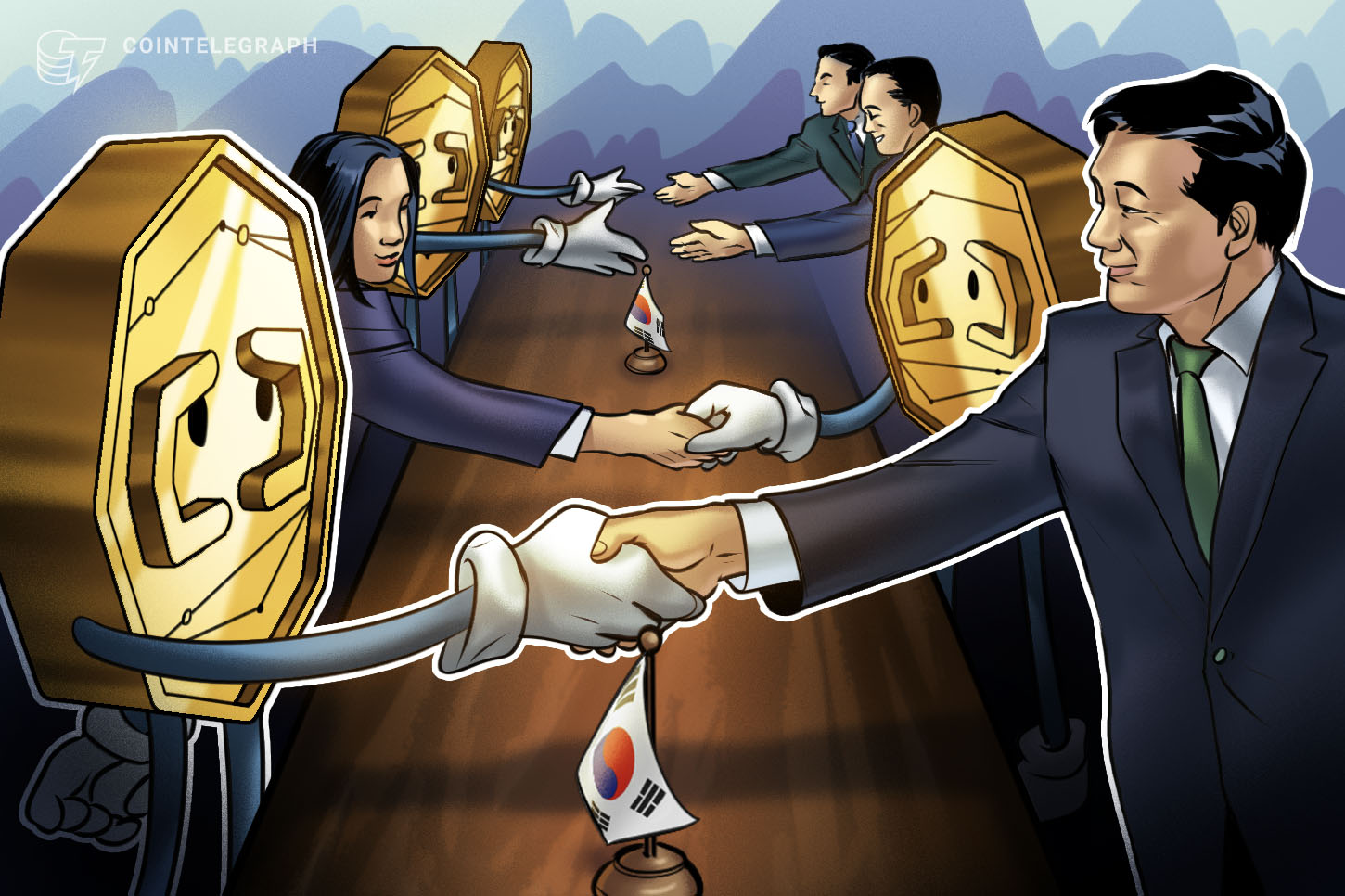
South Korean fintech powerhouse Toss is collaborating with the Optimism blockchain and Sunnyside Labs to pilot a Korean Won (KRW) stablecoin designed for efficient digital payments.
Toss, a major South Korean fintech firm, has partnered with the Optimism blockchain to launch a Proof of Concept for a Korean Won-backed stablecoin to streamline digital payments.
This strategic Proof of Concept (PoC) explores how a local currency-pegged asset can function on a public blockchain. For investors in the United States, this move signals a major shift in the global payment landscape. As international fintech firms adopt Layer 2 solutions (technologies that sit on top of a main blockchain to improve speed and lower costs), the dominance of the US Dollar in the stablecoin market faces its first sophisticated competition.
The Tech Behind the KRW Stablecoin Pilot
Toss is not just any startup; it is often referred to as the "Super App" of South Korea, similar to a combination of Venmo, Robinhood, and Mint. By choosing Optimism, a prominent Ethereum-based scaling solution, Toss aims to facilitate near-instant settlements. Stablecoins (cryptocurrencies designed to maintain a steady value relative to a fiat currency) usually rely on the US Dollar, but this pilot focuses exclusively on the Won.
The role of Sunnyside Labs in this partnership is to act as the technical architect. They are testing the feasibility of moving traditional bank-held Won into a digital format that can live on a decentralized ledger. This process ensures that for every digital token issued, a physical Won is held in reserve, maintaining the 1:1 peg essential for user trust.
Why Optimism was Chosen for the Project
Optimism uses a technology called Optimistic Rollups (a method that bundles transactions together for faster processing). This choice is critical because traditional blockchains like Ethereum can be too slow and expensive for small, everyday purchases like a cup of coffee. By utilizing the OP Stack, Toss can offer a user experience that feels as fast as a credit card swipe but with the transparency of blockchain.
"The integration of traditional finance apps with Layer 2 protocols marks a turning point where blockchain becomes the invisible backend for global commerce."
As more data becomes available on CoinGecko regarding non-USD stablecoins, market analysts are watching to see if these assets can gain liquidity. Liquidity refers to how easily an asset can be bought or sold without affecting its price. If the KRW trial succeeds, it could pave the way for other nations to launch similar projects on public networks.
Key Benefits of Local Currency Stablecoins
While Americans are accustomed to using USDC or USDT, the rest of the world often faces high conversion fees when moving between their local currency and USD-based crypto. A KRW-backed stablecoin offers several advantages:
- Reduced FX Fees: Users avoid the 1-3% spread typically charged by banks for currency conversion.
- Real-Time Auditing: Blockchain allows for transparent tracking of reserves in real-time.
- Programmable Money: Businesses can use smart contracts (self-executing code) to automate payments based on the Won.
What This Means for USA Investors
For US-based investors, this news is a double-edged sword. While it validates the utility of Ethereum-based scaling solutions, it also suggests that the "Dollarization" of crypto might be peaking. If you currently hold Optimism (OP) tokens, this influx of real-world utility is a positive fundamental indicator. However, it is essential to consider the regulatory landscape.
- SEC and CFTC Posture: US regulators are primarily focused on USD stablecoins; however, foreign-backed assets used by US citizens could fall under the same scrutiny if offered as investment products.
- Tax Treatment: The IRS treats all stablecoin trades as property transactions. If you trade a KRW stablecoin for USD or Bitcoin, you must track the gain or loss in USD value at the time of the trade.
- Exchange Availability: While the KRW stablecoin itself likely won't appear on Coinbase or Kraken immediately, the underlying network (Optimism) is widely supported for US traders.
Currently, American investors should view this as a test case for Mass Adoption (the stage where crypto is used by the general public without them knowing they are using it). If Toss successfully integrates this into their 15 million+ user base, it provides a blueprint for US companies like PayPal or Block (Square) to deepen their blockchain integrations.
The Future of Global Crypto Payments
This pilot is part of a larger trend where Southeast Asian and East Asian markets lead in fintech innovation. By removing the dependency on the US Dollar for blockchain transactions, these regions are building a sovereign digital economy. US investors should keep an eye on how these local stablecoins interact with established DeFi (decentralized finance) protocols.
As the PoC progresses, the findings will likely influence how other central banks and private fintechs approach their own digital currency strategies. Whether this becomes a full-scale launch or remains a trial, the bridge between traditional mobile banking and the Optimism ecosystem is now officially under construction.
Key Takeaways
- Initiate a Proof of Concept (PoC) to test the efficiency of a KRW-pegged digital asset.
- Leverage the Optimism Layer 2 network to ensure fast, low-cost transaction speeds.
- Address the growing demand for local currency stablecoins outside of the US Dollar.
- Showcase how traditional fintech giants are integrating decentralized finance (DeFi) infrastructure.
- Partner with Sunnyside Labs to manage the technical bridge between fiat and blockchain.