The cryptocurrency exchange Swyftx is officially moving beyond simple asset trading to launch a suite of crypto-integrated payment services for its users.
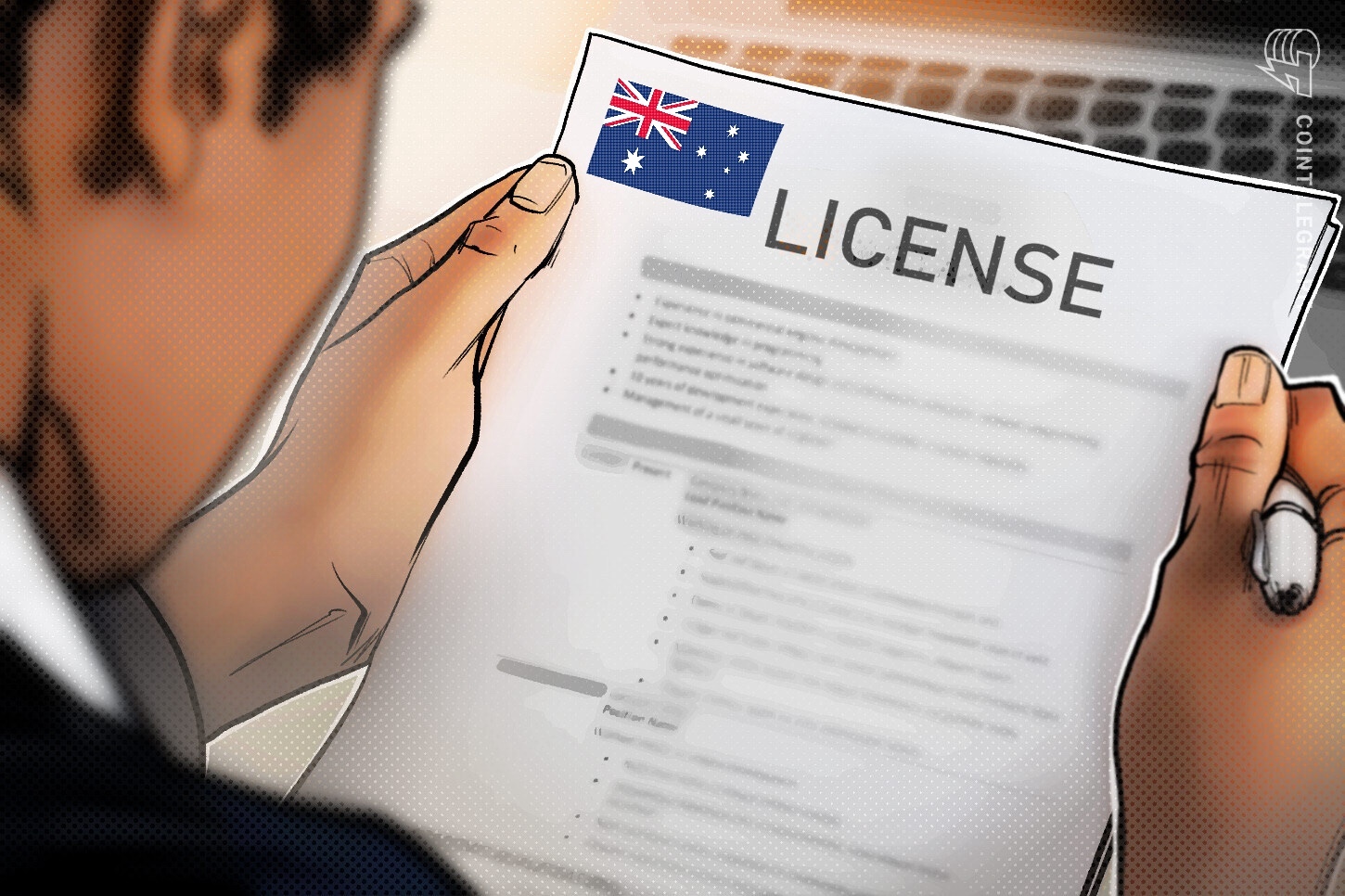
Major cryptocurrency exchange Swyftx is transitioning from a traditional trading platform into a full-scale digital payment provider after securing a new Australian financial services license.
As the digital asset market matures, major players are seeking ways to make crypto useful in the real world. This week, Swyftx revealed plans to transform into a multi-purpose financial hub. This shift comes as international regulators create clearer frameworks for how digital money can interact with traditional bank accounts.
For US investors, this development highlights a global race to bridge the gap between HODLing (holding an asset long-term) and spending. While the news originates in Australia, the ripple effects touch on how global platforms like Coinbase or Kraken might iterate their own payment products in the domestic American market.
From Spot Trading to Everyday Spending
Currently, most users use a spot exchange (a platform where you buy and sell crypto for immediate delivery) simply to speculate on price moves. Swyftx executives have stated they no longer wish to be seen as a "pure" exchange. Instead, they are eyeing the payments sector to allow users to use their balances for groceries, bills, and online shopping.
This transition requires a robust legal foundation. By securing a license that permits payment services, the firm can now issue debit cards or integrate with merchant terminals. This mirror similar moves by US companies like BitPay or the Gemini Credit Card, which reward users in crypto for their daily USD spending.
"We won’t be a pure crypto spot exchange in the future. Our goal is to integrate digital assets into the broader financial lives of our customers through seamless payment options."
The Tech Behind Crypto Payments
How does a crypto payment actually work? Usually, the exchange acts as an intermediary. They use liquidity providers to instantly swap your Bitcoin or Solana into local currency at the moment of purchase. This ensures the merchant receives stable cash while the user spends their digital portfolio.
- Real-time conversion: Instantly turning crypto into fiat (government-issued money) during a transaction.
- Reduced friction: Avoiding the 3-5 day wait time typical of traditional bank transfers.
- Reward structures: Offering cash-back or crypto-back incentives to encourage platform loyalty.
Monitoring market rates via CoinGecko becomes even more important when your crypto acts as a checking account. Investors must be aware of the volatility (rapid price changes) that can affect their purchasing power between the time they deposit and the time they shop.
Global Regulation and the Path Forward
The move toward licensed payment services isn't just about utility; it's about survival. Regulators worldwide are cracking down on "unregulated" offshore exchanges. By becoming a licensed payment provider, a crypto firm gains a level of legitimacy that attracts institutional partners and conservative retail investors.
- Licensing: Firms must meet strict anti-money laundering (AML) standards.
- Banking Rails: Securing partnerships with traditional banks to allow easy on-ramps and off-ramps.
- Consumer Protection: Ensuring user funds are insured or backed by reserves in case of technical failure.
This strategic pivot suggests that the next phase of the bull market (a period of rising prices) will be driven by utility rather than just pure speculation. If users can spend their gains easily, they are more likely to keep their capital within the crypto ecosystem.
What This Means for USA Investors
American investors should pay close attention to international shifts in crypto payments for several reasons. First, the IRS (Internal Revenue Service) treats every crypto-to-fiat transaction as a taxable event. If you use a crypto debit card to buy a $5 latte, you may technically owe capital gains tax on the appreciation of that crypto since you bought it.
Secondly, the SEC (Securities and Exchange Commission) and the CFTC (Commodity Futures Trading Commission) are currently debating which assets can be used for payments without being classified as unregistered securities. While Swyftx focuses on the Australian market, US-based exchanges like Coinbase and Kraken already offer similar debit card products, though they face stricter federal oversight.
Finally, US investors should note that as global exchanges become more "bank-like," the pressure on US legislators to provide a clear regulatory framework increases. Keeping an eye on international licensing success stories can help US traders predict which domestic platforms will lead the charge in the next wave of American fintech innovation.
Preparing for a Multi-Chain Future
As payments become the focus, we can expect to see more stablecoins (cryptocurrencies pegged to the value of the US Dollar) being used. These provide the speed of blockchain with the price stability of the greenback. For the average investor, this means the distinction between a "bank account" and a "crypto wallet" will continue to blur over the next several years.
Key Takeaways
- Identify Swyftx's pivot from a spot exchange to a comprehensive crypto financial services provider.
- Recognize the growing trend of crypto exchanges integrating with traditional banking and payment rails.
- Understand how regulatory licensing facilitates the use of digital assets for everyday consumer purchases.
- Monitor global exchange shifts as a signal for potential US-based payment service expansions.