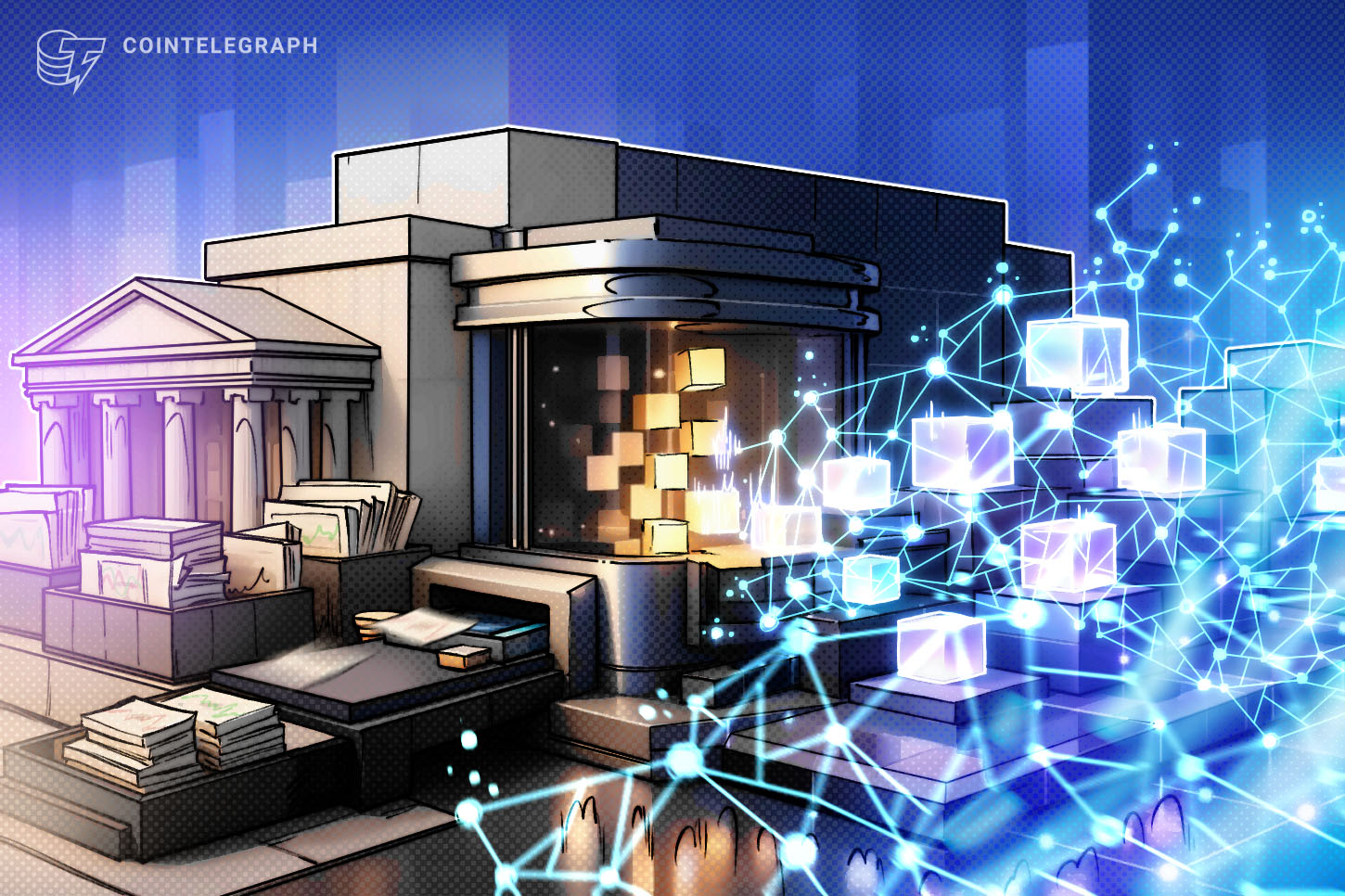
The market capitalization for tokenized stocks reached an all-time high of $2.3 billion this month, marking a pivotal shift in how traditional equity is traded globally.
The market capitalization of tokenized stocks has hit a record $2.3 billion as investors increasingly bridge traditional equity markets with blockchain technology.
This surge represents a record-breaking interest in tokenized stocks (digital versions of traditional company shares held on a blockchain). As of late 2024, institutional and retail investors are pouring capital into these products to gain exposure to blue-chip companies like Nvidia and Tesla without the limitations of traditional stock exchange hours. For American investors, this trend highlights the accelerating convergence of Wall Street and Web3.
The Rise of Real World Assets (RWA)
The record valuation is part of a broader trend known as Real World Asset (RWA) tokenization. This involves taking a physical or financial asset—like a share of stock or a piece of real estate—and issuing a digital token that represents ownership on a blockchain network.
By moving these assets to a ledger, traders can enjoy instant settlement (the immediate transfer of ownership) instead of the standard T+1 or T+2 days seen in the US stock market. According to recent data from CoinGecko, the market for these digital representations has grown by over 25% in the last quarter alone. This growth is driven by the desire for fractional ownership, which allows investors to buy a tiny piece of a high-priced stock like Berkshire Hathaway for just a few dollars.
Why Tokenized Stocks are Gaining Momentum
Traditional markets operate on a 9-to-5 schedule, Monday through Friday. Crypto markets, however, never sleep. Tokenized stocks allow global participants to trade US equities during weekends and holidays, providing liquidity when traditional brokers are closed.
- 24/7 Market Access: Trade your favorite tech stocks at 2 AM on a Sunday.
- Global Liquidity: Investors from around the world can access the US equity market through decentralized protocols.
- Transparency: Every transaction and ownership change is recorded on a public blockchain, reducing the risk of administrative errors.
"The tokenization of financial assets represents the next step in the evolution of capital markets, streamlining back-office operations and unlocking billions in dormant value."
Technological Infrastructure Powering the Surge
Most tokenized stocks currently live on the Ethereum network, using its robust smart contract (self-executing code) capabilities to manage dividends and voting rights. However, newer networks like Solana are gaining ground due to their lower transaction fees and higher speeds.
To ensure these tokens are actually backed by real shares, issuers use custodians (regulated banks or firms that hold the physical stock certificates). When you buy a tokenized share, the issuer holds the matching share in a secure account, ensuring a 1:1 backing that maintains the price peg to the Nasdaq or NYSE.
What This Means for USA Investors
While the $2.3 billion milestone is impressive, American investors face a unique regulatory landscape. The Securities and Exchange Commission (SEC) generally views tokenized stocks as securities, meaning common US platforms like Coinbase or Kraken may not offer these specific foreign-issued tokens to residents yet.
- IRS Tax Treatment: The IRS treats these assets as property. Trading tokenized Apple for USDC is considered a taxable event (capital gains or losses apply).
- SEC/CFTC Posture: Regulators are closely watching issuers to ensure they follow "Know Your Customer" (KYC) rules.
- Brokerage Integration: Some US-friendly firms are exploring tokenized treasuries first before moving into full equity tokens.
For now, US-based investors should primarily use regulated entities and track their trades carefully for tax season using USD-denominated values at the time of each trade.
The Future of Digital Equities
As the market cap pushes toward $3 billion, we expect to see more DeFi (Decentralized Finance) protocols allowing users to use their tokenized stocks as collateral for loans. Imagine holding Tesla stock and borrowing stablecoins against it without ever selling your shares.
This milestone proves that the appetite for blockchain-based finance is moving beyond Bitcoin and into the heart of the traditional financial system. Whether you are a beginner or an intermediate investor, keeping an eye on the RWA sector is no longer optional—it is a cornerstone of the modern digital portfolio.
Key Takeaways
- Identify the $2.3 billion all-time high in the market capitalization of digital equity tokens.
- Recognize the growing demand for 24/7 trading of traditional assets like Apple and Tesla.
- Monitor the shift of Real World Assets (RWA) onto blockchain networks like Ethereum and Solana.
- Evaluate the regulatory hurdles for US-based investors accessing global tokenized stock platforms.
- Understand the cost-saving benefits of fractional ownership through tokenization.