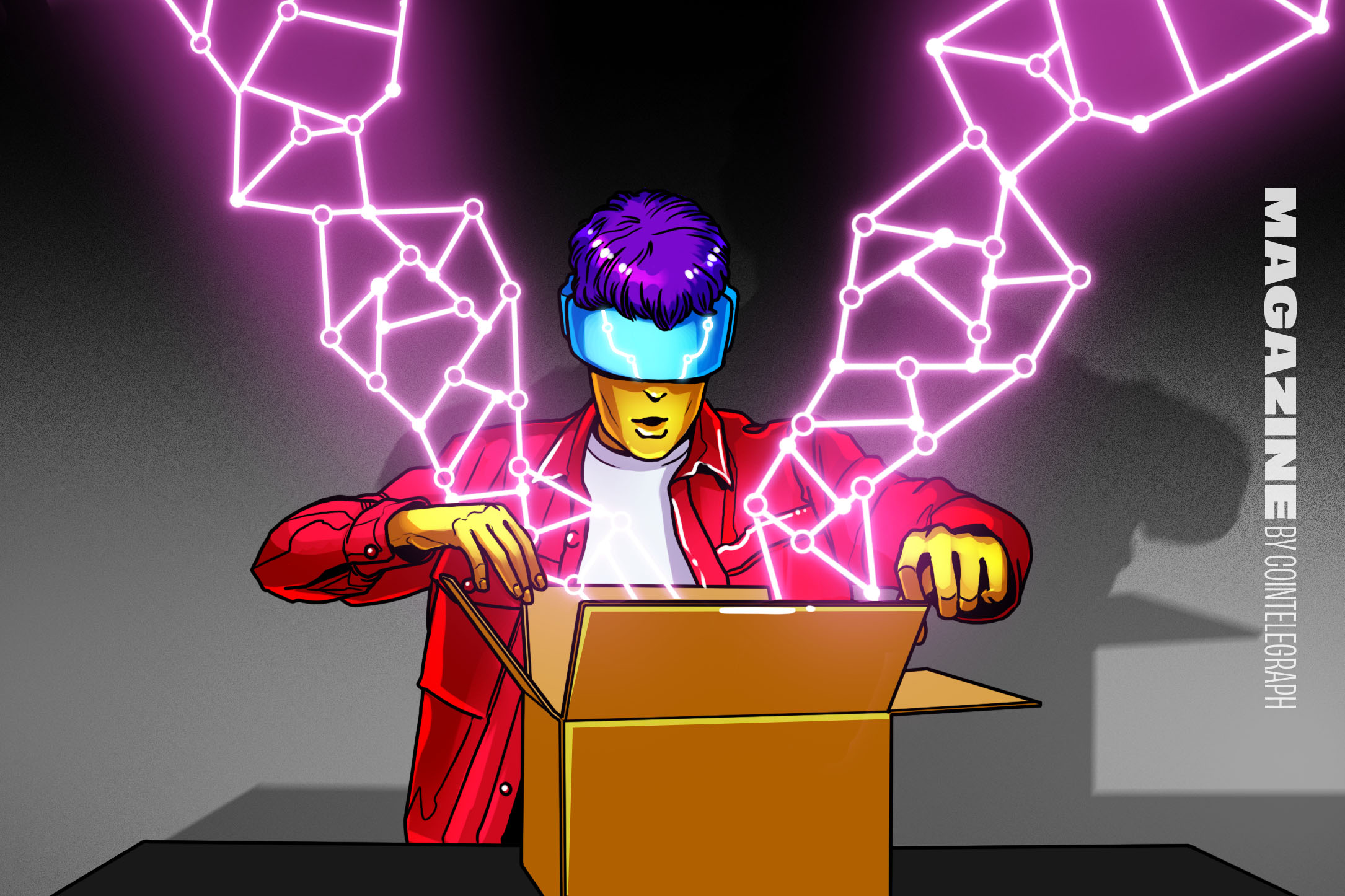
Investors and collectors spent a record $324 million on decentralized 'gacha' systems in June, proving that the demand for randomized digital Pokemon cards remains high even while Bitcoin prices struggle.
Online users spent a record-breaking $324 million on blockchain-based 'gacha' card packs in June, choosing to gamble on rare digital Pokemon cards even as the broader crypto market faced significant price drops.
As the broader cryptocurrency market faced a cooling period this summer, a surprising niche found its footing: onchain gacha. This term refers to a monetization mechanic where users pay for a chance to receive a high-value item, similar to physical Pokemon booster packs or video game loot boxes.
For American investors, this trend represents the intersection of nostalgia and Real World Assets (RWAs)—physical items that are brought onto the blockchain via tokens. While traditional tokens like Ethereum fluctuated, the thrill of the 'digital pull' drove volumes to new heights across several decentralized platforms.
The Meteoric Rise of Digital Card Gambling
The concept of gacha (a Japanese term for toy vending machines) has successfully migrated to the blockchain. In these systems, a computer algorithm ensures that the probability of 'pulling' a rare card is fair and transparent. This transparency is a major draw for US-based collectors who are tired of the opaque odds in traditional mobile games.
In June alone, despite Bitcoin hitting multi-month lows, the spending on these randomized packs reached $324 million. This suggests that 'fun-based' crypto utility might be more resilient to market crashes than speculative trading. Many of these packs feature tokenized versions of physical Pokemon cards, which are held in secure vaults while the owner trades the digital certificate.
"The ability to prove the scarcity of a digital card on a public ledger changes the game for collectors who have spent decades worrying about counterfeits in the physical hobbyist market."
How Onchain Gacha Works for Beginners
If you are new to this space, understanding the mechanics is vital before putting capital at risk. Here is how the process typically flows for a user:
- Users connect a digital wallet (like Metabase or Coinbase Wallet) to a specialized marketplace.
- They purchase 'credits' or use stablecoins (cryptocurrencies pegged to the US Dollar) to buy a pack.
- The Smart Contract (automated code on the blockchain) triggers a random number generator.
- A digital card is 'minted' (created) and sent directly to the user's wallet.
Because every transaction is recorded publicly, anyone can verify that the provider actually has the cards they claim to sell. This solves a massive issue in the physical card world: 'resealed' packs where the most valuable cards have already been removed by scammers.
Market Trends: Why Now?
Data from CoinGecko suggests that while DeFi (Decentralized Finance) volumes have seen a slight retraction, consumer-facing crypto is expanding. The move toward Pokemon cards as RWAs is part of a larger shift to bring tangible value into the digital economy.
- Verified Scarcity: You can see exactly how many 'Pikachu' cards exist in the ecosystem.
- Instant Liquidity: Unlike physical cards that take weeks to grade and sell, digital versions can be sold in seconds.
- Fractional Ownership: Some platforms allow users to own a 1% share of a million-dollar card.
The Role of Nostalgia in Web3
Millennials and Gen Z investors in the USA are driving this trend. For many, these are not just financial assets; they are cultural touchstones. The transition from physical binders to digital wallets feels natural for a generation raised on both Pokemon and smartphones.
What This Means for USA Investors
Operating within the United States brings specific considerations for those participating in onchain gacha. First, the IRS (Internal Revenue Service) generally treats the sale of NFTs and digital collectibles as a taxable event. If you pull a rare card worth $5,000 from a $10 pack, your tax liability may vary depending on whether you sell it or hold it.
Furthermore, the SEC (Securities and Exchange Commission) is closely watching platforms that offer randomized rewards. If a card pack is marketed as an investment opportunity with an expectation of profit, it could be classified as a security. Most US-based users currently access these markets through decentralized apps, but Coinbase and Kraken have begun exploring more compliant ways to offer digital collectibles to their users.
Collectors should also be aware of state-level gambling laws. Some states have strict definitions for 'loot boxes' in video games, and blockchain gacha may eventually fall under those same regulations if the assets can be easily converted back to USD.
Risk Management in Onchain Collecting
As with any cryptocurrency investment, Onchain Gacha is high-risk. The value of a digital card can drop to zero if interest in the platform fades. Additionally, 'gas fees' (the transaction costs paid to the network) on the Ethereum blockchain can sometimes exceed the price of the pack itself during busy hours.
Investors should distinguish between 'utility' collectibles that can be used in games and 'pure' collectibles meant for display. Always ensure you are using a Cold Wallet (an offline storage device) for your most valuable pulls to protect against hackers and phishing scams that target the US crypto community.
Key Takeaways
- Capitalize on the growing trend of 'onchain gacha' which uses blockchain to verify rare card pulls.
- Observe how digital collectibles are decoupling from Bitcoin's price movements during market volatility.
- Identify the massive $324 million volume shift toward gamified Real World Assets (RWAs).
- Understand the regulatory risks associated with loot-box mechanics in the United States.
- Monitor the rise of tokenized Pokemon cards as a new asset class for retail investors.