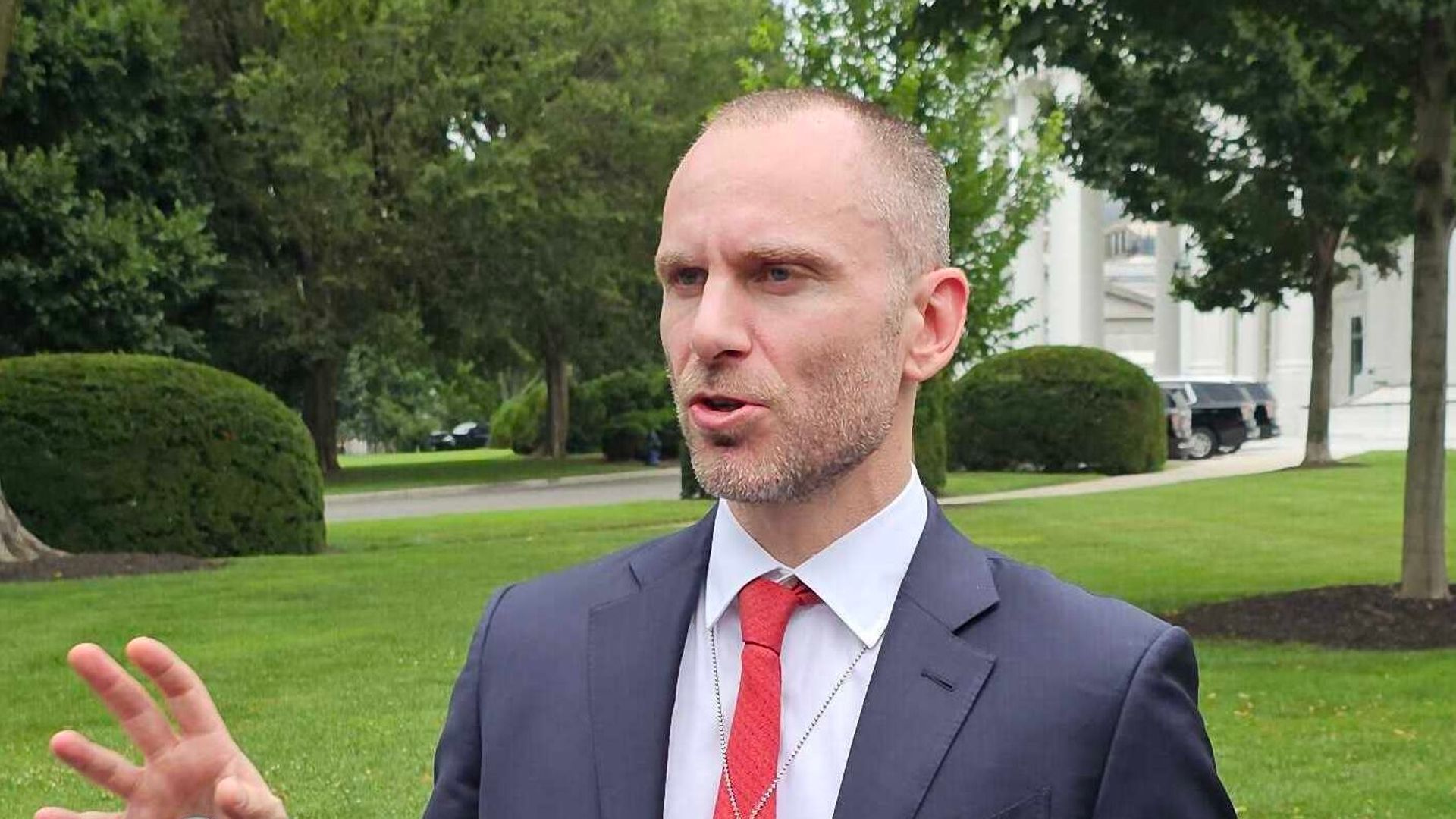
Tether has executed a strategic $20 million investment in Ualá, an Argentine digital banking platform, to strengthen its presence in the high-growth Latin American market.
Tether, the issuer of the USDT stablecoin, has invested $20 million into Argentine neobank Ualá to expand its footprint in the Latin American financial ecosystem.
Tether, the company behind the world’s most-used stablecoin (a digital asset pegged 1-to-1 with the US Dollar), is shifting gears from simple liquidity provider to venture capitalist. This $20 million cash injection into Ualá, a prominent neobank (a digital-only bank without physical branches), signals a major move into the Southern Hemisphere. For American investors, this indicates that the capital generated from USDT reserves is increasingly being used to build a global financial moat.
The Strategic Pivot of Tether Operations
Tether is no longer just a platform for trading; it is becoming a powerhouse in the global fintech sector. By investing in Ualá, Tether is positioning itself at the intersection of traditional banking and digital finance in a region where inflation makes US-denominated assets highly attractive.
Ualá currently serves millions of users across Argentina, Mexico, and Colombia. These markets are critical because they represent some of the highest adoption rates for crypto as a hedge against local currency devaluation. Tether’s involvement suggests it wants a front-row seat to how mobile-first populations interact with money.
"This investment represents a financial partnership focused on long-term growth, rather than an immediate technical integration of stablecoin products into the banking app."
Why USDT Isn't in the Ualá App Yet
Despite the high-profile investment, Ualá’s CEO has been quick to clarify the boundaries of the deal. Currently, Ualá will not be integrating USDT into its platform for consumer use. This hesitation stems primarily from regional regulations that currently restrict how banks can handle digital assets.
Investors should understand the following hurdles currently facing the partnership:
- Regulatory Restrictions: Argentina’s central bank has historically limited crypto interactions for regulated financial entities.
- Compliance Standards: Ensuring Know Your Customer (KYC) protocols meet both local and international banking laws.
- Financial Risk: Potential volatility in the fintech sector during periods of economic instability.
However, the long-term vision remains clear. As global rules evolve, the bridge between Tether’s liquidity and Ualá’s user base could eventually create a massive off-ramp for digital dollars in Latin America.
Tether's Growing Influence in Global Fintech
Tether has been reporting record-breaking profits lately, largely due to high interest rates on the US Treasury bills that back USDT. The company is now using that excess capital to diversify its holdings beyond just cash equivalents. We can track the scale of these stablecoin assets on platforms like CoinGecko to see how Tether maintains its market dominance.
Expansion Beyond Stablecoins
This $20 million deal is part of a broader trend where Tether is investing in:
- Artificial Intelligence (AI) infrastructure and data processing.
- Sustainable Bitcoin mining operations in South America and Central Asia.
- Peer-to-peer communication technology and decentralized social media.
What This Means for USA Investors
While Ualá is an Argentine company, this move has direct implications for the US market. First, Tether’s continued solvency and profitability are vital for the stability of the entire crypto ecosystem. When Tether invests in successful fintechs, it potentially strengthens its balance sheet, which is good news for anyone holding assets on Coinbase, Kraken, or Gemini.
From a regulatory standpoint, the SEC (Securities and Exchange Commission) and CFTC (Commodity Futures Trading Commission) are closely watching how USDT is used abroad. If Tether becomes a major stakeholder in foreign banks, it may invite more scrutiny regarding anti-money laundering (AML) practices. For those filing taxes with the IRS, remember that holding USDT is treated as property; while this investment doesn't change your tax bill, it confirms that the "Digital Dollar" is becoming a permanent fixture of global finance.
Future Outlook for the USDT Ecosystem
The Ualá deal is a signal that Tether is playing the long game. Even if current laws prevent an immediate rollout of crypto-banking features, Tether is securing its place in the infrastructure of the future. As the US dollar remains the world's reserve currency, Tether is ensuring that its digital representation remains dominant in emerging markets.
For US investors, the takeaway is clear: the "stablecoin wars" are moving beyond exchanges and into the wallets of everyday people worldwide. Watching these international equity plays can provide early clues into where the next wave of global liquidity will flow.
Key Takeaways
- Identify Tether's strategic $20 million equity stake in Argentine fintech giant Ualá.
- Recognize that USDT integration is currently blocked by regional regulatory hurdles.
- Monitor how Tether utilizes its massive reserves for venture capital outside of the US.
- Evaluate the impact of stablecoin issuers becoming major players in traditional finance.
- Understand why US investors should watch international fintech adoption for global price signals.