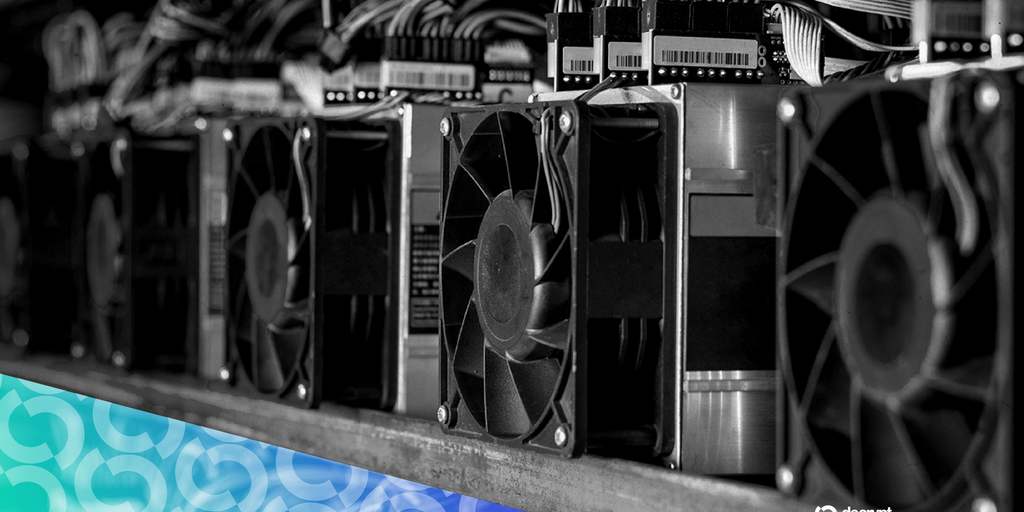
Japanese financial powerhouse SBI Holdings has announced it will permanently shutter its subsidiary's Bitcoin mining pool, marking a significant exit from the specialized crypto infrastructure sector.
SBI Crypto, a subsidiary of the Japanese financial powerhouse SBI Holdings, is officially shutting down its Bitcoin mining pool operations following a strategic shift in its digital asset business model.
The decision by SBI Crypto to wind down its mining pool (a group of miners who combine their computing power to increase the odds of earning Bitcoin rewards) comes at a time of thinning margins across the industry. Founded in 2017, the pool was once a cornerstone of the Japanese firm's vision for a full-stack digital asset ecosystem. This week, the company confirmed it would stop accepting new users before ceasing operations entirely later this year.
The Strategic Pivot of a Financial Giant
SBI Holdings has long been a pioneer in integrating blockchain (the digital ledger technology that records transactions) into traditional Japanese finance. However, the move to close its mining pool suggests that the technical and operational costs of maintaining a global pool may no longer align with their core profitability goals.
While the mining pool is closing, SBI remains heavily invested in the crypto space through its exchange, SBI VC Trade, and its partnerships with Ripple. The company is not leaving crypto; it is simply pruning its hardware-heavy ventures. For US observers, this mirrors the behavior of several American firms that have shifted from infrastructure to custody (the professional storage of digital assets) and trading services.
The closure reflects several industry pressures:
- Increasing Competition: Larger pools like Foundry and AntPool have dominated the market share.
- Low Profitability: Thinner margins following the recent Bitcoin halving event.
- Energy Costs: Rising global costs for the electricity needed to run intensive mining hardware.
Understanding Mining Pools vs. Independent Mining
To understand why this matters, one must distinguish between mining and a mining pool. While SBI Crypto operated ASIC (Application-Specific Integrated Circuit) hardware, their pool served as a hub for other miners to plug in their machines. In an Investopedia NFT explainer or crypto basics guide, pools are often compared to a cooperative where small players join forces to compete with giants.
Without the SBI pool, these independent miners must now find new homes for their hash rate (the total computational power being used to mine and process transactions). This migration could lead to a temporary dip in network security, though the Bitcoin network is designed to adjust its difficulty level automatically every two weeks.
"The consolidation of mining pools into a few major players represents a centralization risk that the Bitcoin community has monitored for years. An exit from a major institutional player like SBI underscores the survival-of-the-fittest nature of this cycle."
The Global Hash Rate Shuffle
As SBI Crypto exits, the global distribution of Bitcoin's power is shifting. Most of the world's mining power is currently concentrated in two regions: the United States and China. By closing a Japanese-led pool, the influence of Asian financial institutions on the underlying network protocol slightly diminishes.
How do miners choose a new pool? The process usually involves a few strategic steps:
- Fee Analysis: Comparing the percentage the pool takes from rewards (usually 1-4%).
- Payout Structure: Choosing between PPLNS (Pay-Per-Last-N-Shares) or PPS+ (Pay-Per-Share Plus).
- Server Latency: Finding a pool with servers close to the physical mining rigs to reduce delays.
- Regulatory Compliance: Ensuring the pool operates in a jurisdiction that won't face sudden bans.
What This Means for USA Investors
For investors in the United States, the closure of SBI's pool is a neutral-to-positive development for domestic mining companies. US-based giants like Marathon Digital and Riot Platforms may benefit as the competitive landscape thins out. Furthermore, a significant amount of hashing power could migrate to Foundry USA, currently the world's largest Bitcoin mining pool based in New York.
From a tax perspective, US miners who used SBI's pool must ensure they have downloaded all transaction histories before the site goes dark. The IRS (Internal Revenue Service) requires detailed records of every block reward, which is taxed as ordinary income at the time of receipt. Most US exchanges like Coinbase or Kraken do not provide these historical pool records, so the responsibility falls entirely on the individual investor.
Finally, the SEC (Securities and Exchange Commission) continues to monitor the health of the Bitcoin ecosystem. While a pool closing is not a regulatory red flag, it serves as a reminder that even massive financial institutions find the volatility (rapid price changes) and technical demands of Bitcoin mining to be a significant challenge. For those holding BTC in the US, the network remains secure, but the players behind the scenes are definitely changing.
Key Takeaways
- Identify SBI Crypto's exit from the Bitcoin mining pool sector as part of a broader corporate restructure.
- Monitor the redistribution of BTC hash rate as miners migrate to alternative Western or Asian pools.
- Recognize that this move does not impact SBI's other crypto services like exchange or custody platforms.
- Understand the growing difficulty for institutional mining pools to maintain profitability in 2024.
- Evaluate the potential for US-based mining pools to capture the resulting market share.