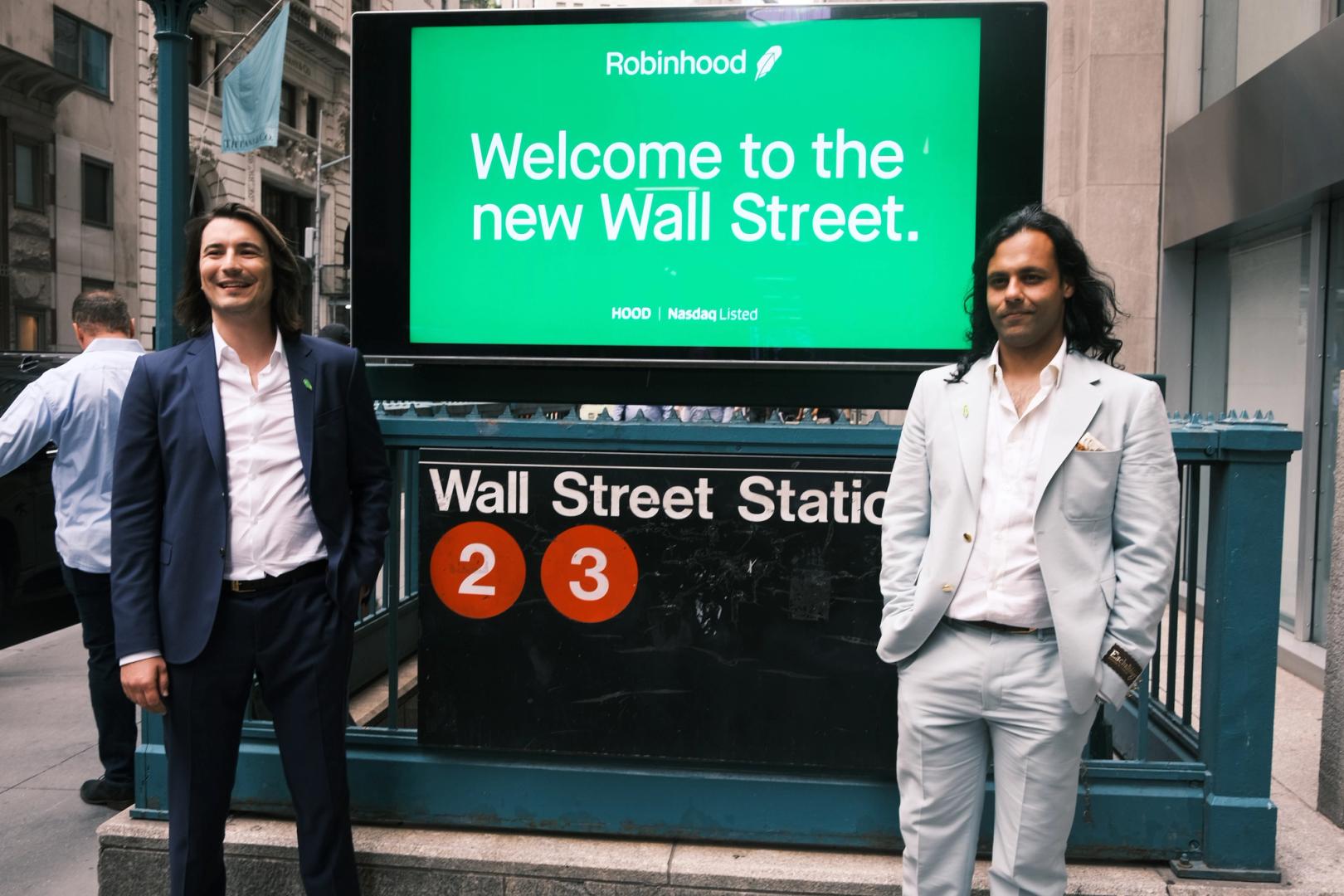
Robinhood’s new blockchain, designed to revolutionize the market via tokenized stocks, has instead become a viral hotspot for speculative memecoin trading.
Robinhood's newly launched blockchain, originally designed for trading tokenized stocks, has seen a massive $135 million influx driven almost entirely by speculative memecoin trading rather than traditional assets.
Since its launch on July 1, the Robinhood Chain has attracted over $135 million in Total Value Locked (TVL) and more than 800,000 unique user addresses. While the platform was marketed to American investors as a bridge between Wall Street and Web3, the actual activity on the network tells a different story. Instead of buying digital shares of Apple or Tesla, users are flocking to high-risk, community-driven tokens.
The Gap Between Vision and Reality
The original goal of the Robinhood Chain was to pioneer RWA (Real World Assets). This involves tokenization (taking a real-world asset like a stock or bond and creating a digital version on a blockchain). Robinhood intended to let US investors trade these assets 24/7 without the high fees of traditional brokerages.
However, the data shows that the vast majority of the $135 million currently sitting on the chain is locked in liquidity pools for new, unverified tokens. According to data tracked by CoinGecko, these volatile assets often lack the fundamentals that conservative investors typically look for in the stock market.
"The speed at which retail capital moved from Robinhood's centralized app into its decentralized ecosystem shows a massive appetite for high-risk, high-reward on-chain activity."
Why Memecoins Are Dominating
Memecoins are cryptocurrencies that gain value primarily through social media hype and community support rather than technical utility. For many Gen Z and Millennial investors in the USA, these coins represent a way to gamble with small amounts of capital in hopes of massive returns.
Current Network Activity Breakdown:
- Direct Transfers: Over 60% of transactions involve moving stablecoins to buy newly minted tokens.
- DEX Usage: Decentralized Exchanges (platforms that allow peer-to-peer trading without a middleman) are the most used apps on the chain.
- Wallet Growth: 800,000 addresses created in two weeks highlights the massive reach of the Robinhood brand.
The Tech Behind the Chain
Robinhood Chain operates as a Layer 2 (a secondary blockchain built on top of a primary one to increase speed and lower costs). By using this structure, Robinhood can offer US users near-instant transaction finality, which is crucial for both stock trading and fast-paced crypto markets.
- Users bridge their assets from the standard Robinhood app.
- Transactions are bundled and sent to the main network.
- Costs are kept under a few pennies per trade.
What This Means for USA Investors
For investors based in the United States, the Robinhood Chain presents a unique set of opportunities and risks. While the chain is accessible through the Robinhood Wallet available on the US App Store, the nature of the assets being traded carries significant weight with the IRS (Internal Revenue Service).
Every time you swap one memecoin for another on the chain, it is considered a taxable event in the eyes of the US government. Investors must track their cost basis and fair market value for every trade to avoid issues during the tax season. Furthermore, the SEC (Securities and Exchange Commission) is currently monitoring how platforms like Robinhood handle assets that could be classified as unregistered securities.
Currently, major US exchanges like Coinbase and Kraken do not support direct deposits from the Robinhood Chain, meaning your assets may be "siloed" or require several steps to cash out into USD. Always ensure you have a plan for off-ramping (converting crypto back to US dollars) before committing significant capital.
Future Outlook for Tokenized Stocks
Despite the memecoin craze, the infrastructure for tokenized stocks remains intact. Robinhood likely views the current surge in activity as a "stress test" for their network. As regulatory clarity improves in DC, we may see the shift back toward the intended use case of digital equities and government bonds.
For now, the Robinhood Chain stands as a testament to the unpredictable nature of the crypto market. It proves that even when a multi-billion dollar company builds a "serious" financial tool, the crypto community will often use it for whatever is most profitable at the moment.
Key Takeaways
- Acknowledge that Robinhood Chain has reached $135 million in total value locked within its first weeks.
- Observe that 800,000 unique wallet addresses have joined the network since the July 1 launch.
- Recognize the disconnect between the platform's vision for stocks and its current memecoin reality.
- Monitor how retail investors are shifting from centralized trading to on-chain decentralized apps.
- Evaluate the potential regulatory scrutiny as speculative tokens dominate the new ecosystem.