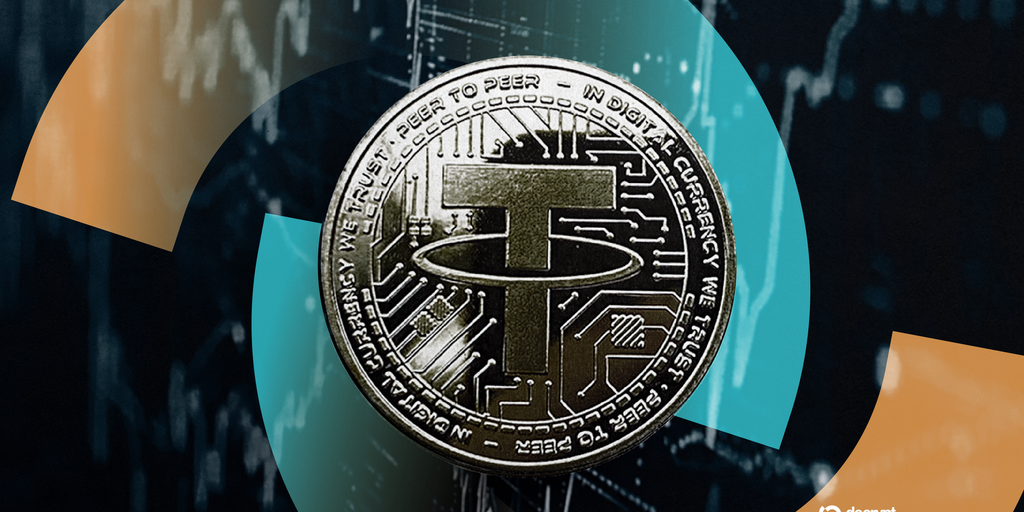
Bolivia is officially considering the integration of Tether (USDT), the world's most widely used stablecoin, into its national electronic payment system to combat economic volatility.
The Bolivian government is currently evaluating the integration of Tether (USDT) into its national payment infrastructure to stabilize its economy and facilitate international trade.
Government officials in Bolivia are looking toward Tether (USDT)—a cryptocurrency designed to maintain a 1:1 value with the United States Dollar—as a viable solution for their current fiscal challenges. This move marks a significant shift for the South American nation, which previously held a more restrictive stance on digital assets. For American investors, this development highlights the growing utility of stablecoins (digital tokens pegged to a stable asset like the dollar) as a tool for international finance in regions facing currency devaluation.
The Shift Toward Digital Dollarization
Bolivia's interest in USDT follows a period of increasing demand for private dollar-backed assets within the country. By incorporating USDT into the national payment framework, the central bank aims to provide citizens and businesses with a reliable medium of exchange that bypasses traditional banking hurdles. This is particularly relevant given the scarcity of physical greenbacks in the local economy.
Unlike volatile assets like Bitcoin, stablecoins offer the benefits of blockchain technology—speed and 24/7 availability—without the massive price swings. This makes them ideal for a national payments system. If successful, Bolivia would become one of the most prominent nations to officially sanction a third-party stablecoin for public use.
"The adoption of stablecoins by sovereign nations signals a fundamental change in how the world views the United States Dollar as a digital export rather than just a physical currency." - MetroSkope Economic Analysis
How Tether (USDT) Works in Global Trade
Tether operates as a centralized stablecoin, meaning it is managed by a single company that holds reserves intended to back every token in circulation. For a country like Bolivia, using USDT allows for immediate cross-border transactions without waiting days for traditional wire transfers to clear. This efficiency is a core reason why many emerging markets are turning to digital assets.
Investors should understand that while USDT is widely used, it is different from an NFT (Non-Fungible Token), which represents a unique digital item. To better understand the landscape of digital assets, you can check this Investopedia NFT explainer to see how unique tokens differ from fungible stablecoins like Tether.
Benefits of a National Stablecoin Framework
The proposed integration suggests several operational advantages for the Bolivian financial system:
- Lower Transaction Costs: Blockchain transfers often cost significantly less than international SWIFT transfers.
- 24/7 Availability: Crypto markets never close, allowing for weekend and holiday settlements.
- Reduced Inflation Risk: Provides a hedge for locals against the devaluation of the Bolivian Boliviano.
- Financial Inclusion: Enables citizens without traditional bank accounts to participate in the digital economy.
Regulatory Hurdles and Global Optics
While the move is ambitious, it faces scrutiny from international regulators. The Financial Action Task Force (FATF), a global money laundering watchdog, monitors how nations implement crypto policies. If Bolivia proceeds, it must ensure robust KYC (Know Your Customer) and AML (Anti-Money Laundering) protocols are in place to prevent illicit use of the digital dollar.
Furthermore, the reliance on a private entity like Tether Limited introduces counterparty risk. If the backing reserves are ever called into question, the entire national payment system could face liquidity issues. This is a primary concern for central bankers globally who are weighing the pros and cons of private stablecoins versus CBDCs (Central Bank Digital Currencies).
What This Means for USA Investors
For investors in the United States, Bolivia's adoption of USDT reinforces the dominance of the dollar in a digital format. It proves that the "Digital Dollar" is currently being led by private companies like Tether and Circle (USDC) rather than the Federal Reserve. US-based traders should keep the following points in mind:
- Tax Treatment: The IRS (Internal Revenue Service) treats stablecoin transactions as property transfers; converting USD to USDT is generally not a taxable event, but spending USDT for goods or other crypto may trigger capital gains or losses.
- SEC & CFTC Posture: US regulators are still debating whether stablecoins should be regulated as securities or commodities. Increased global use puts pressure on Washington to provide clear rules.
- Exchange Availability: While USDT is liquid, some US-regulated exchanges like Coinbase or Kraken may emphasize USDC or their own stablecoins due to regulatory compliance. Always check your specific exchange for supported pairs.
- USD Price Context: As more countries adopt USDT, demand for the underlying USD reserves grows, indirectly impacting the global strength of the dollar.
Ultimately, the Bolivian experiment serves as a case study for the future of global DeFi (Decentralized Finance). If a national economy can successfully run on stablecoins, it may encourage other nations to follow suit, further solidifying the role of digital assets in the global financial hierarchy.
Key Takeaways
- Explore the official adoption of the world's largest stablecoin for domestic and international settlements.
- Address domestic dollar shortages by leveraging digital assets pegged to the United States Dollar.
- Monitor how sovereign adoption of USDT influences global regulatory perspectives on stablecoins.
- Analyze the potential impact on Tether's market dominance and liquidity in the Latin American corridor.