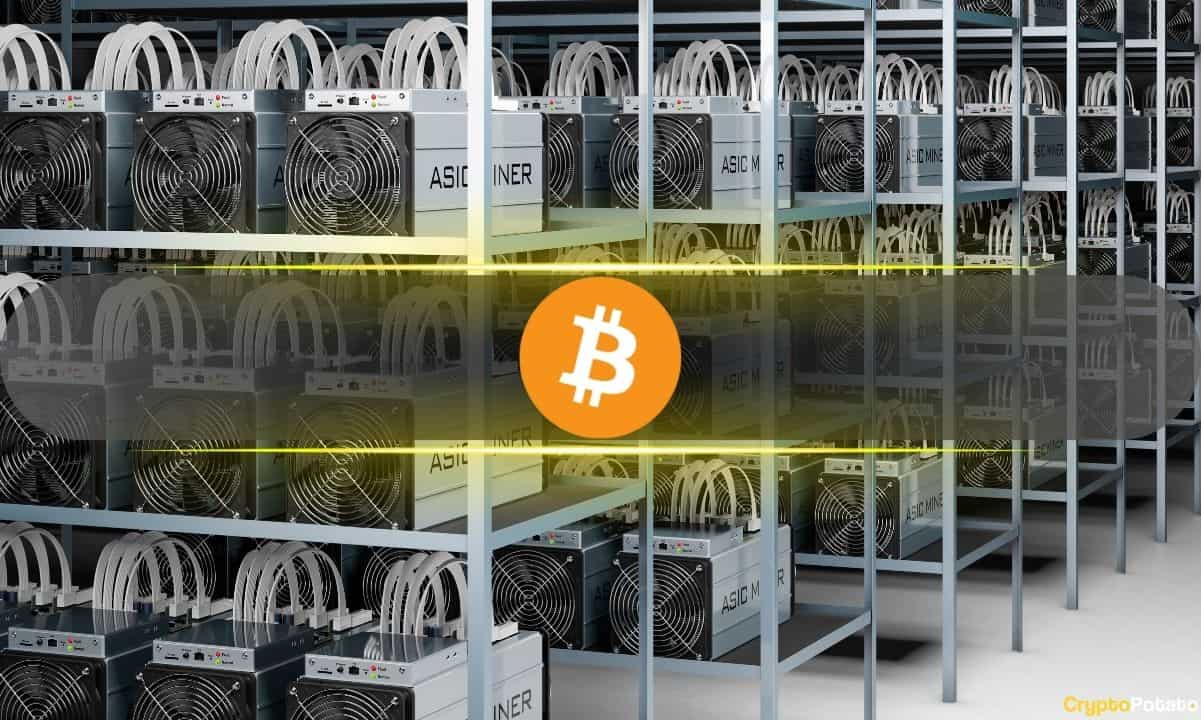
Crypto mining profitability for major assets like Bitcoin, Dogecoin, and Litecoin has reached a critical bottleneck as rising network difficulty and high overhead costs squeeze margins for operators.
Miners for major proof-of-work networks like Bitcoin, Dogecoin, and Litecoin are currently facing a sharp decline in profitability due to high difficulty levels and stagnant prices.
As the crypto market enters a consolidation phase, miners across the United States are feeling the heat. Recent data suggests that the revenue generated from securing Proof-of-Work (PoW) networks—where computers compete to solve complex puzzles—is barely covering the cost of electricity for many.
For American investors, this shift is more than just a technical hurdle; it signals a potential change in market liquidity. When miners can no longer pay their bills, they often sell their accumulated coins, putting downward pressure on prices at major U.S. exchanges like Coinbase and Kraken.
The Current State of Bitcoin Mining Rewards
Bitcoin (BTC) remains the barometer for the entire mining sector. Since the last 'Halving' event (a pre-programmed 50% reduction in new coin supply), the daily revenue for miners has struggled to regain its previous highs.
Mining difficulty, a measure of how hard it is to find a new block, continues to hover near record levels. This means miners must use more powerful, expensive hardware to earn the same amount of BTC they did last year. Without a significant surge in the USD price of Bitcoin, the 'hash price' (the expected value of a unit of hashing power) remains dangerously low.
Dogecoin and Litecoin: The Merged Mining Squeeze
Litecoin (LTC) and Dogecoin (DOGE) utilize a process called 'merged mining.' This allows miners to secure both networks simultaneously using the same hardware. While this was once a highly profitable strategy, the rewards are currently failing to impress.
As Dogecoin price action stays relatively flat, the incentive for hobbyist miners in the U.S. is disappearing. Many are choosing to turn off their rigs rather than operate at a loss. This trend is particularly visible in states with higher-than-average electricity rates.
"The golden age of solo mining from a basement is largely over; today's market favors those with industrial-scale power contracts and the most efficient hardware available."
Understanding the Shift in DeFi and Mining
Some miners are looking for alternative ways to utilize their equipment or shift their capital into other sectors. For those transitioning away from physical hardware, many are exploring this Investopedia DeFi explainer to understand how decentralized finance (automated financial services on the blockchain) might offer different yield opportunities.
While mining is the backbone of PoW, the rise of Proof-of-Stake (PoS) and DeFi (Decentralized Finance) has provided investors with 'yield' without the need for expensive cooling systems and massive power draws. This competition for capital is a recurring theme in the 2024 market cycle.
Why Mining Difficulty Keeps Rising
You might wonder why difficulty stays high if profits are low. Large institutional mining firms in the U.S., such as Marathon Digital and Riot Platforms, have already invested millions in next-generation hardware.
- Institutional Scale: Big players can survive on razor-thin margins that would bankrupt a small miner.
- Efficient Hardware: New ASIC (Application-Specific Integrated Circuit) machines are more efficient, keeping the total hashrate high.
- Debt Obligations: Some firms must keep mining simply to service the loans they took out to buy their equipment.
- Network Security: A high hashrate is good for security but bad for individual profit share.
What This Means for USA Investors
American investors should watch mining profitability as a lead indicator for price volatility. When the 'Miner Capitulation' phase begins, we often see a 'flush out' of the market. Here are the specific U.S. factors to track:
- IRS Tax Treatment: Remember that the IRS treats mined coins as gross income at their fair market value on the day they are received.
- SEC Oversight: Increased scrutiny on crypto firms may impact how publicly traded mining companies operate in the U.S.
- Electricity Costs: States like Texas and Washington remain hubs for mining, but local policy changes regarding power grids can shift profitability overnight.
- USD Strength: A strong Dollar often weighs on Bitcoin's price, further tightening the margins for domestic mining operations.
The Future Outlook for PoW Assets
Despite the current 'dry spell' in profits, mining is a cyclical business. Historically, low profitability periods are followed by a 'shakeout' where inefficient miners exit, difficulty stabilizes, and prices eventually recover. For the savvy investor, watching the hash rate can provide clues on when the market bottom might be near.
If you are holding DOGE or LTC, keep an eye on the network's health. While lower profitability is a concern for miners, the security of these networks remains robust due to the sheer volume of institutional power currently committed to the blockchain.
Key Takeaways
- Monitor rising mining difficulty levels that make earning rewards harder for independent miners.
- Evaluate the impact of high energy costs on the breakeven point for popular PoW assets.
- Observe how Dogecoin and Litecoin 'merged mining' is failing to offset recent revenue drops.
- Assess the risk of miner capitulation which often leads to increased market price volatility.
- Recognize that institutional-scale firms are squeezing out smaller amateur mining operations.