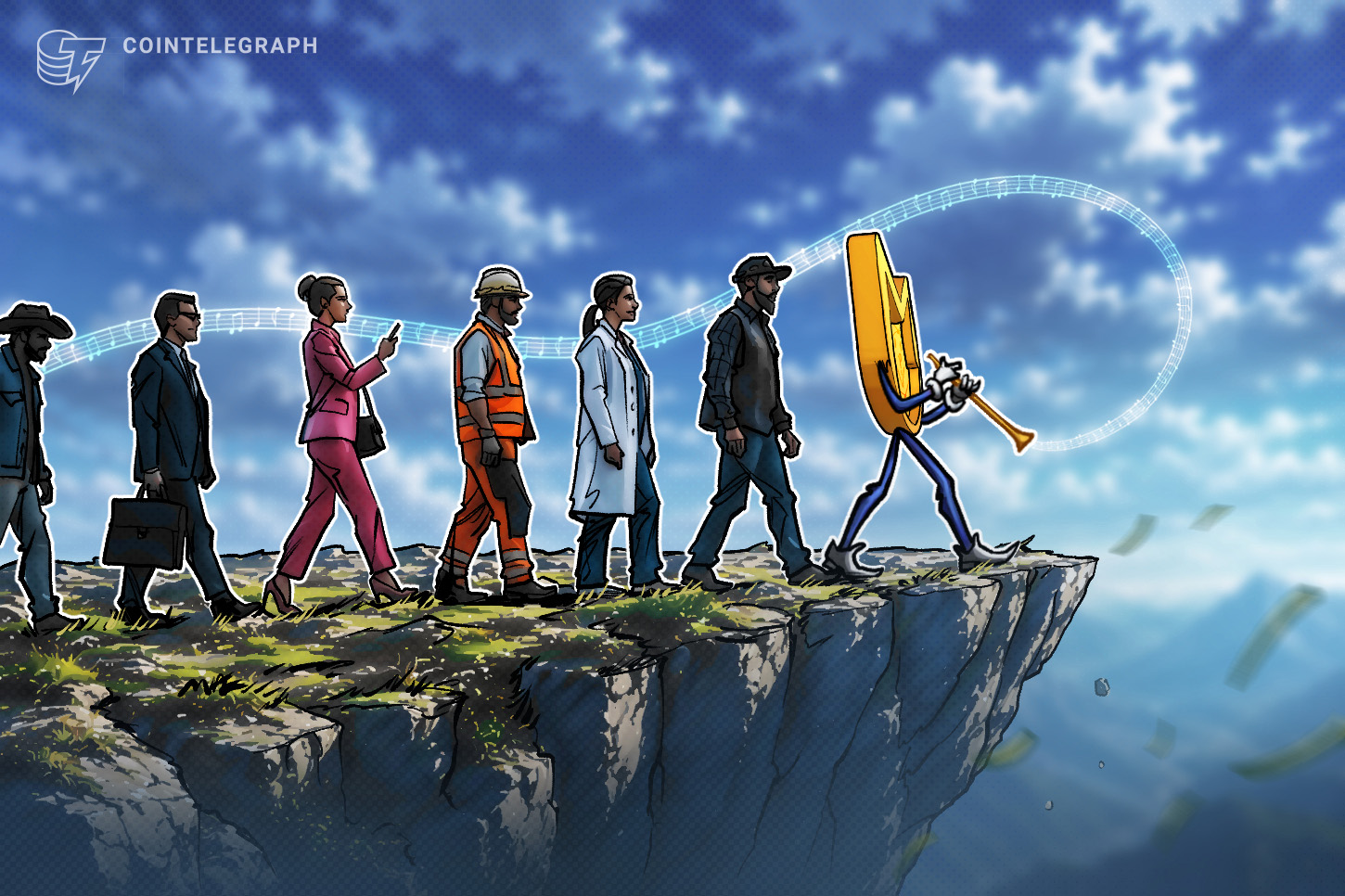
Memecoin marketing has taken a dark turn, moving from harmless internet jokes to dangerous real-world stunts where creators risk physical safety to pump token prices.
Memecoin marketing has evolved from simple internet memes into dangerous real-world 'bounties' where creators perform physical stunts or self-harming acts to drive token prices higher.
In the high-stakes world of decentralized finance (DeFi), a new trend is emerging among Solana-based memecoin creators. US investors are increasingly witnessing livestreamed 'bounty' challenges where developers perform extreme acts to gain social media traction. This shift marks a transition from speculative digital assets to a form of decentralized reality TV that thrives on exploitation and shock value.
The Rise of Engagement Bounties
Traditionally, memecoins (cryptocurrencies based on internet memes or cultural jokes) relied on funny images or viral tweets to attract buyers. However, the barrier to entry has dropped significantly thanks to launchpad platforms. Now, anyone can create a coin in seconds, leading to a crowded market where attention is the primary currency.
To stand out, some creators have turned to physical dares. These 'engagement bounties' involve developers promising to do something—ranging from shaving their heads to setting off fireworks indoors—if the token hits a specific market capitalization (the total dollar value of all coins in circulation). This creates a predatory cycle where investors essentially pay to watch someone perform for money.
- Physical Dares: Creators perform stunts like drinking excessive alcohol or enduring physical pain on camera.
- Psychological Manipulation: Using FOMO (fear of missing out) to trap retail investors into buying at the peak of a stunt.
- Live Streaming: Platforms like X (formerly Twitter) and Twitch are used to broadcast these events in real-time.
From Digital Speculation to Human Exploitation
The danger is no longer just financial; it is now physical. Experts worry that as the competition for eyes increases, the stunts will become more life-threatening. This isn't just about 'line goes up' anymore; it's about how much personal risk a creator is willing to take to ensure their token doesn't crash to zero.
Many of these projects are 'rug pulls' (scams where developers abandon a project and run away with investors' funds) disguised as entertainment. Once the stunt is over and the 'hype' peaks, the initial creators often sell their large holdings, leaving regular investors with worthless tokens. This pattern is easily visible on tracking sites like CoinGecko, where many of these tokens show a massive vertical spike followed by a total collapse.
"The gamification of financial markets combined with 24/7 livestreaming has created a 'Colosseum effect' where the audience pays to see the creator suffer for a temporary profit."
Understanding the Pump.fun Phenomenon
A significant portion of this activity is centered on a platform called Pump.fun. This site allows users to launch tokens for a few dollars without needing technical coding skills. While it has democratized token creation, it has also become a breeding ground for these 'stunt coins.'
- Token Creation: A user creates a meme-themed coin and links their social media.
- The Hook: The creator promises a wild stunt if the coin reaches a certain price target.
- Viral Loop: Viewers buy the coin to 'unlock' the next level of the stunt, driving the price higher.
- The Dump: Early insiders exit, and the price crashes before most buyers can react.
Legal and Ethical Red Flags
US-based participants should be aware that these activities could fall under 'market manipulation.' In the eyes of the SEC (Securities and Exchange Commission), orchestrating a coordinated pump through deceptive or coerced acts remains a legal gray area that is quickly turning red. Investors who participate in these 'bounties' may unwittingly be funding illegal or unregulated gambling-like schemes.
Furthermore, the ethical cost is high. Supporting tokens that require creators to harm themselves creates a perverse incentive structure. As long as US money flows into these projects, the extremity of the stunts is likely to escalate, potentially leading to a tragic outcome that could trigger harsh regulatory crackdowns across the entire crypto industry.
What This Means for USA Investors
For the American investor, the memecoin stunt craze brings several specific risks. From a tax perspective, every trade—even on a 'stunt coin'—is a taxable event according to the IRS. If you buy a coin at $1.00 and sell at $2.00 during a livestream, you owe capital gains tax on that profit, regardless of how the coin was marketed.
Regarding availability, most of these high-risk 'stunt' tokens are not listed on regulated US exchanges like Coinbase, Kraken, or Gemini. Investors usually have to use decentralized exchanges (DEXs) and self-custody wallets (digital wallets where you control the private keys). This means there is zero consumer protection. If you lose your money to a scam or a rug pull, there is no customer support line to call to get it back.
The SEC and CFTC (Commodity Futures Trading Commission) are also keeping a close eye on 'social engineering' in crypto. US residents should be wary that participating in or promoting these coins could lead to increased scrutiny or potential platform bans as US-based social media companies tighten their terms of service to avoid becoming accessories to financial fraud.
Key Takeaways
- Identify how 'engagement bounties' incentivize creators to perform dangerous physical acts for token hype.
- Recognize the shift from digital humor to high-stakes attention farming on platforms like Pump.fun.
- Understand why these psychological manipulation tactics often lead to 'rug pulls' and financial loss.
- Evaluate the legal and ethical implications of supporting tokens built on exploitative marketing stunts.
- Learn to prioritize fundamental research over social media-driven FOMO in the volatile memecoin market.