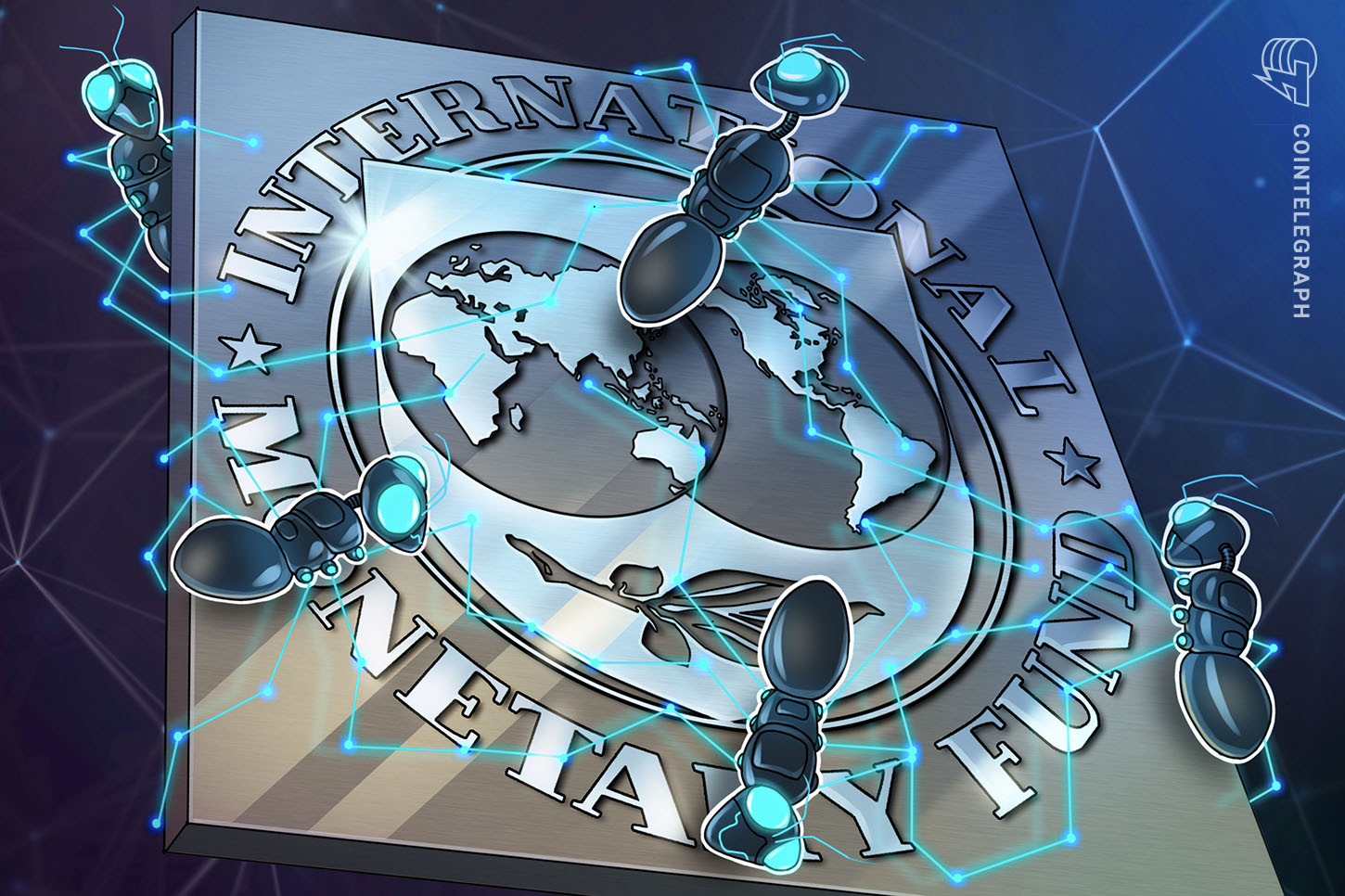
The IMF suggests that tokenization—converting assets into digital records on a blockchain—could fix the slow and costly plumbing of our current global financial system.
The International Monetary Fund (IMF) reports that asset tokenization can drastically improve global financial settlement speeds, but warns that a lack of unified regulation could create new systemic risks for investors.
A new report from the International Monetary Fund highlights a major shift in how the world views digital assets. For US investors, this signals that the technology behind cryptocurrencies is moving from the fringes into the very core of global banking infrastructure.
Understanding Asset Tokenization and Settlement
Tokenization is the process of creating a digital representation (a token) of a real-world asset, such as a stock, bond, or even real estate, on a distributed ledger (a shared digital database). This allows for instant settlement, meaning the exchange of ownership happens the moment the payment is made.
Currently, most trades in the USA take two days to settle (known as T+2). The IMF notes that moving to a blockchain-based system could reduce this time to seconds. This change would free up billions of dollars currently locked in clearinghouses, significantly lowering the barrier to entry for smaller investors.
The Dual Edge of Financial Stability
While the efficiency gains are massive, the IMF warns that the transition isn't without hazards. The report highlights that if every country creates its own separate rules, we could face a "fragmented" digital landscape. This makes it harder for systems to talk to each other, creating liquidity traps where money gets stuck in one ecosystem.
"Tokenization could improve market reach and create more robust financial plumbing, but it also carries risks that could materialize quickly if not managed through global cooperation."
For the average investor using CoinGecko to track asset prices, this means the underlying technology might become safer even if individual coin prices remain volatile.
Risks of Fragmented Regulation
One of the biggest concerns for the IMF is the lack of a unified legal framework. Without clear rules, the automated nature of smart contracts (self-executing code on a blockchain) could lead to "flash crashes" or systemic failures that spread faster than human regulators can react.
- Operational Risk: Bugs in the underlying code could lead to total loss of assets.
- Legal Uncertainty: Different states or countries may not recognize your digital ownership.
- Interoperability Issues: Tokens on one blockchain may not be tradable for tokens on another.
The Push for Global Standards
The IMF is calling for international organizations to work together to build a "unified ledger." Think of this as a shared global highway for all digital assets. By having one set of rules, the world can avoid the silo effect where different digital assets are trapped in incompatible systems.
- Establishing common technical standards for blockchains.
- Creating legal definitions of digital ownership that work across borders.
- Integrating central bank digital currencies (CBDCs) for safer payments.
What This Means for USA Investors
In the United States, the SEC (Securities and Exchange Commission) and the CFTC (Commodity Futures Trading Commission) are currently locked in a debate over which tokens should be treated as securities. The IMF's push for global standards could force US regulators to provide more clarity to keep American markets competitive.
IRS and Tax Implications
If common stocks become tokenized, every transaction will be recorded on a ledger. This could make IRS tax reporting much simpler, as your brokerage could automatically generate reports based on precise, timestamped blockchain data. However, it also means the government will have clearer visibility into your capital gains.
US Exchange Availability
Major US platforms like Coinbase, Kraken, and Gemini are already building the infrastructure to support tokenized real-world assets. As these regulations solidify, you might soon be able to buy fractionalized pieces of US Treasury bonds or commercial real estate directly through your crypto wallet, priced in USD-pegged stablecoins.
Conclusion: A New Chapter for Digital Finance
The IMF's findings suggest that tokenization is not just a trend for crypto enthusiasts, but a necessary evolution for the global economy. For the US investor, this means the distinction between "crypto" and "traditional finance" is rapidly disappearing. Staying informed on these regulatory shifts is key to protecting your portfolio in a digitized world.
Key Takeaways
- Streamline settlement processes by using blockchain to automate trade cleared in real-time.
- Address regulatory gaps before fragmented standards lead to new types of financial instability.
- Recognize the potential for programmable money to reduce costs for institutional and retail investors.
- Monitor how international standards impact US-based crypto exchanges and digital asset custody.