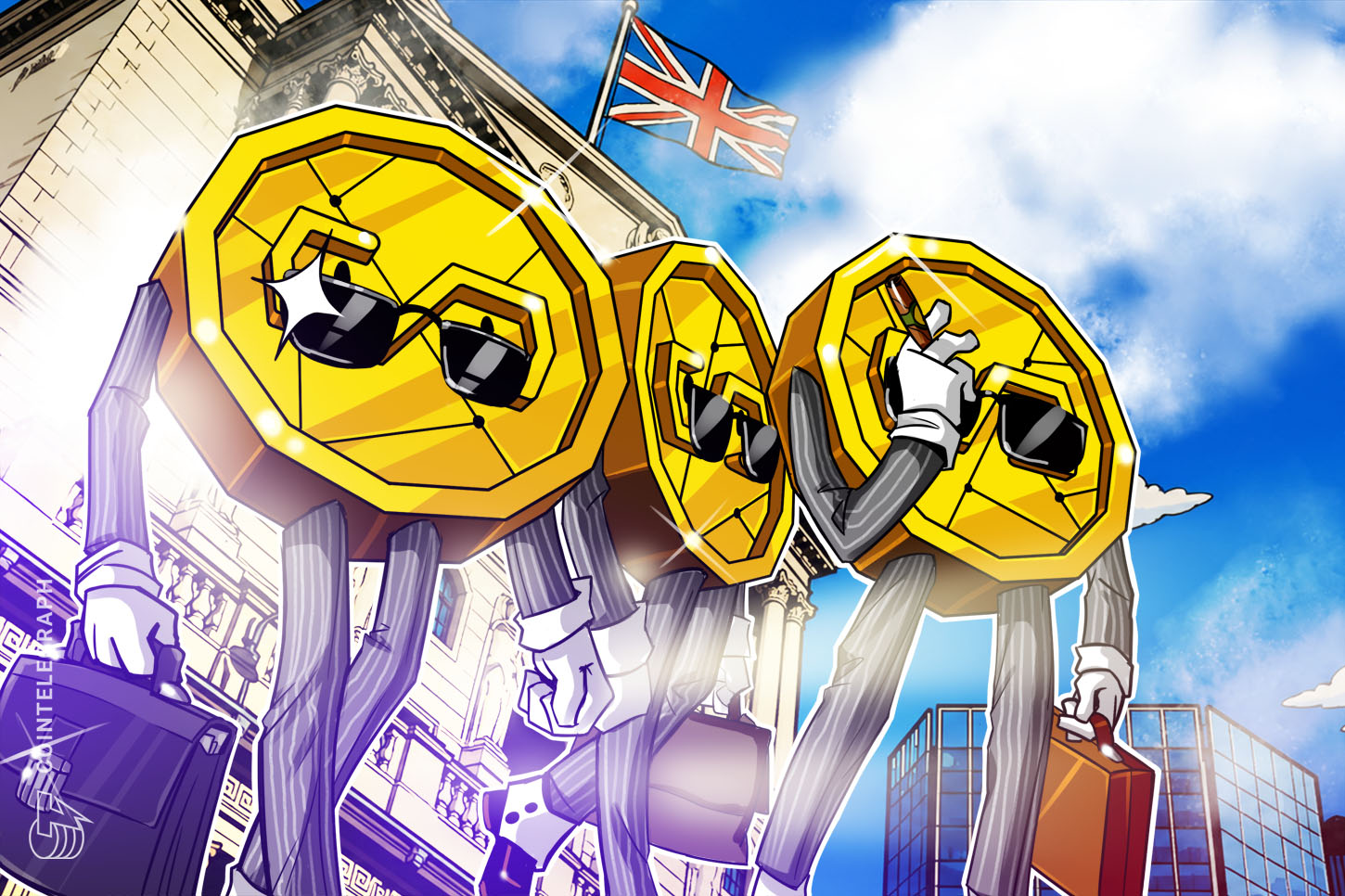
Modern payment blueprints are evolving to support tokenized assets, signaling a shift toward a "multi-money" ecosystem where digital and traditional currencies work together seamlessly.
Financial regulators are drafting new roadmaps to integrate tokenized assets into mainstream retail payment systems, creating a multi-money ecosystem where traditional cash and digital tokens coexist.
Regulators are moving beyond just watching Bitcoin. They are now actively designing the plumbing for a future where your bank balance, stocks, and even loyalty points exist as tokenized assets (digital representations of value recorded on a blockchain). For US investors, this global trend underscores the increasing legitimacy of blockchain technology within the traditional financial system.
The Concept of a Multi-Money Ecosystem
A multi-money ecosystem refers to a financial landscape where different forms of currency—such as US Dollars in a bank account, stablecoins (cryptocurrencies pegged to the dollar), and potentially CBDCs (Central Bank Digital Currencies issued by a government)—can be used interchangeably for retail payments.
This shift requires tokenization, which is the process of putting a real-world asset onto a blockchain. By doing this, assets can be traded 24/7 without the multi-day delays typically seen in the current banking system. This movement aims to bridge the gap between legacy wire transfers and the high-speed world of decentralized finance.
"The integration of tokenization into retail payment systems represents a fundamental shift in how we define and transfer value in the digital age."
Why Interoperability is the Main Goal
For these new systems to work, they must have interoperability (the ability for different computer systems and blockchains to talk to each other). Currently, many crypto assets exist in "silos," making it difficult to move value from one network to another without significant risk or cost.
New blueprints suggest that future infrastructure must support:
- Atomic Settlement: Transactions that happen instantly, where the payment and the delivery of the asset occur at the exact same moment.
- Programmable Money: The use of smart contracts (self-executing code) to automate payments when certain conditions are met.
- Unified Ledgers: Digital record-keeping systems that allow different types of money to live on the same shared platform.
Comparing Global Digital Assets
While various countries are experimenting with these blueprints, the underlying data often comes from global monitoring tools. For example, tracking the market capitalization of different digital currencies on CoinGecko shows the massive scale that tokenized assets have already reached.
- Stage One: Stablecoins prove that digital dollars can move faster than wire transfers.
- Stage Two: Commercial banks begin tokenizing their own deposits to stay competitive.
- Stage Three: Central banks provide the "settlement layer" to ensure all these tokens are backed by real value.
What This Means for USA Investors
In the United States, the move toward tokenized payments is a double-edged sword. On one hand, the Federal Reserve has launched FedNow to speed up traditional payments, but it remains cautious about a retail CBDC. For investors using platforms like Coinbase, Kraken, or Gemini, this trend likely means more "wrapped" or tokenized versions of traditional stocks and bonds will soon become available.
IRS and Tax Considerations
The IRS (Internal Revenue Service) currently treats most digital assets as property. If you use a tokenized asset to buy a cup of coffee, it could trigger a taxable event. As these blueprints become reality, US investors will need clearer guidance on whether "tokenized cash" will be taxed as currency or as an investment.
SEC and CFTC Oversight
The SEC (Securities and Exchange Commission) and CFTC (Commodity Futures Trading Commission) are still debating which tokens are securities and which are commodities. A retail payment blueprint that includes tokenization will force these agencies to provide more concrete rules for US-based fintech companies and exchanges.
The Future of Your Digital Wallet
Ultimately, these regulatory frameworks suggest that the "crypto wallet" of the future won't just hold Bitcoin. It will likely hold a digital version of your checking account, your 401(k), and your home equity. The goal is to make moving $1,000 as easy as sending an email, regardless of whether that value is in USD or a digital token.
Key Takeaways
- Identify how tokenization converts real-world assets into digital snippets on a blockchain for faster trading.
- Recognize the shift toward interoperability between private stablecoins and central bank digital currencies.
- Understand the pressure on US regulators to harmonize digital payment rules with international standards.
- Assess the potential for reduced settlement times in everyday retail transactions using distributed ledgers.