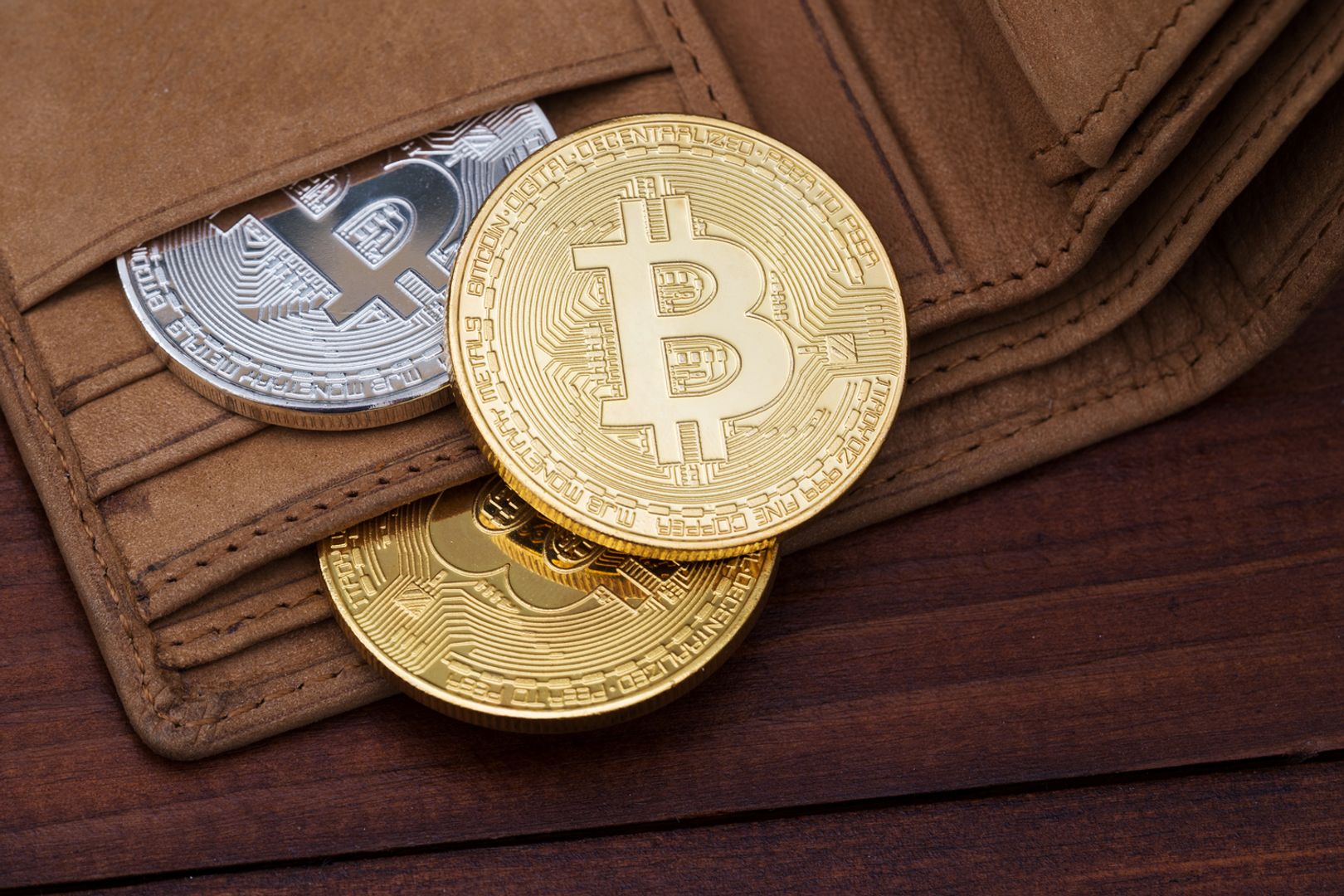
A massive Bitcoin wallet that had remained untouched since the 2017 market peak recently transferred over $383 million in BTC to a new address, sparking intrigue across the cryptocurrency market.
A Bitcoin wallet that had been inactive since the 2017 market peak recently moved $383 million worth of BTC to a new address, signaling a major shift in long-term holding patterns.
On-chain investigators recently identified a significant transaction involving approximately 4,000 Bitcoin (BTC). The assets, which were worth significantly less when they were first acquired during the 2017 bull run, moved from a dormant address (a digital location for storing crypto) to a freshly created wallet. For US-based investors, this move highlights the transparency of blockchain technology and the potential for large holders, known as "whales," to influence market psychology even if they do not sell immediately.
The Return of the 2017 Bitcoin Whale
The original wallet had stayed silent for over seven years, surviving multiple market cycles, including the 2018 crash and the 2021 all-time highs. This specific timing is notable because 2017 was the year Bitcoin first neared the $20,000 mark, a pivotal moment for mainstream adoption in the United States. When a holder of this size finally moves their funds, market participants closely watch for signs of an impending sell-off.
Data from CoinGecko shows that while Bitcoin price volatility often follows whale movements, the immediate reaction remains neutral. Because the funds were moved to a private address rather than a centralized exchange (a platform like Coinbase where crypto is traded for USD), the intent appears to be secure storage or a change in custody rather than a direct liquidation into cash.
Understanding Wallet Dormancy and Security
In the crypto world, "dormancy" refers to the length of time an asset remains stationary. Wallets that stay inactive for more than five years are increasingly rare and often represent early adopters or institutional-grade "HODLers" (a slang term for long-term investors who refuse to sell). Analysts believe this movement could be related to a security upgrade by the owner.
"Large movements from dormant wallets often signal a transition from legacy security protocols to modern multi-signature cold storage solutions used by high-net-worth individuals."
The technical process of moving such a large amount requires significant planning. Here is how these large movements usually break down:
- Verification: The owner ensures the private keys (digital passwords) are still functional after years of non-use.
- Consolidation: Funds might be combined or split to optimize for future transaction fees.
- Privacy: Moving to a new address can help the owner maintain a layer of anonymity from public tracking tools.
What This Means for USA Investors
For investors in the United States, a $383 million movement carries specific implications beyond just the ticker price. The IRS (Internal Revenue Service) treats cryptocurrency as property, meaning that moves between wallets you own are generally not taxable events. However, the moment that Bitcoin is sold for USD on an exchange like Kraken or Gemini, a capital gains tax is triggered based on the cost basis from 2017.
Currently, the SEC (Securities and Exchange Commission) and the CFTC (Commodity Futures Trading Commission) view Bitcoin as a commodity, providing a relatively stable regulatory environment compared to smaller altcoins (alternative cryptocurrencies). US investors should monitor whether these 4,000 BTC eventually move to a US-regulated exchange, as that would indicate a massive increase in sell-side pressure that could drop the price of BTC in the short term.
How to Track Whale Activity
Tracking these movements is a vital skill for intermediate investors. By using block explorers (online tools that let you view all transactions on the blockchain), anyone can see where the money is going. This transparency is a core feature of Bitcoin that differs from traditional banking, where large wire transfers happen behind closed doors.
- Monitor On-Chain Alerts through social media or dedicated whale-tracking websites.
- Observe Exchange Inflow, which tells you if whales are preparing to sell.
- Look at Exchange Outflow, which suggests whales are moving funds into long-term storage, a bullish (positive) sign.
The Bigger Picture: BTC Market Liquidity
While $383 million sounds like an enormous sum, the Bitcoin market today is far more liquid (easy to trade without changing the price) than it was in 2017. With the launch of Bitcoin Spot ETFs (Exchange Traded Funds) in the US, institutional buyers can now absorb larger sell orders than ever before. This suggests that even if this whale decided to sell, the impact might be less dramatic than it would have been five years ago.
Ultimately, this movement serves as a reminder of Bitcoin's "store of value" proposition. A single entity was able to hold an asset for nearly a decade, see it appreciate by thousands of percent, and move it across the globe in minutes for a nominal fee. For US investors, it reinforces the importance of long-term patience and cold storage security.
Key Takeaways
- Identify that 4,000 BTC moved from a dormant 2017-era wallet to a completely new private address.
- Monitor that no coins have hit exchanges yet, suggesting a custodial shift rather than an immediate sell-off.
- Recognize the impact of 'whale' activity on market sentiment and potential price volatility for US traders.
- Evaluate the importance of on-chain transparency in tracking large-scale movements of digital assets.
- Understand the tax implications of such massive transfers under current IRS guidelines for US citizens.