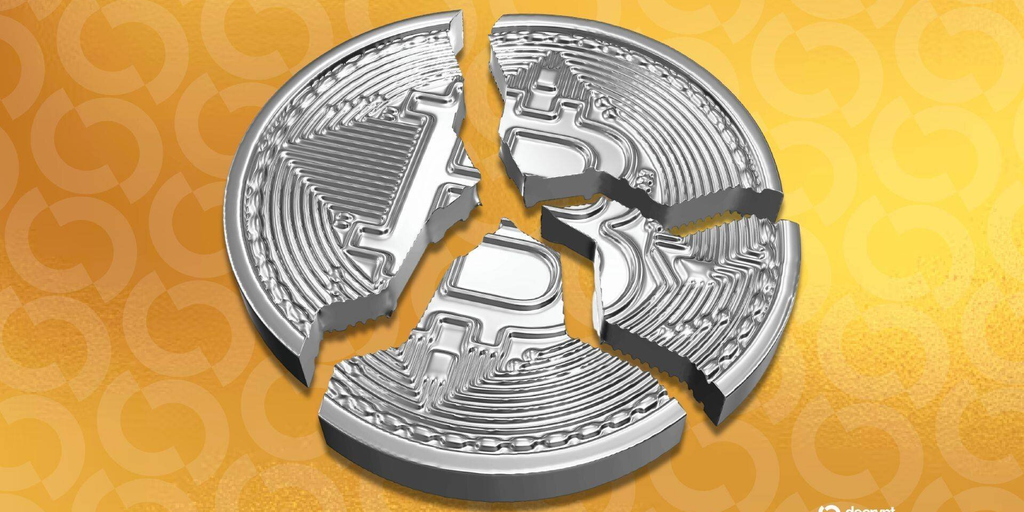
BIP-110 is a controversial Bitcoin Improvement Proposal that seeks to give nodes the power to filter out non-financial data, potentially blocking Ordinals and inscriptions from the blockchain.
BIP-110 is a Bitcoin Improvement Proposal designed to filter non-financial data from blocks, effectively targeting Ordinals and inscriptions that critics claim clog the network.
The Bitcoin community is currently locked in a heated debate over BIP-110, a proposal that could fundamentally alter how the world's largest cryptocurrency operates. As the activation deadline nears, U.S. investors are watching closely. This technical shift represents a battle between those who want Bitcoin to remain a pure financial tool and those who see it as a multipurpose data layer.
Understanding the Basics of BIP-110
BIP-110 stands for Bitcoin Improvement Proposal 110. It is a set of code changes designed to allow node operators (users who run the Bitcoin software) to automatically reject transactions that carry "extra" data not related to sending money. This is a direct response to the rise of Ordinals (a protocol for creating digital collectibles on Bitcoin).
For many purists, Bitcoin was designed as a Peer-to-Peer Electronic Cash System. They argue that inscriptions—which allow users to embed images, text, and even video into a transaction—are "spam" that bloats the size of the blockchain. By implementing BIP-110, critics hope to keep the network lean and low-cost for standard money transfers.
The Great Ordinals Debate
At the heart of the friction is the explosion of digital assets on Bitcoin. These assets are often compared to NFTs (non-fungible tokens, or unique digital items verified by blockchain technology). If you are new to this concept, you might find this Investopedia NFT explainer helpful for understanding how digital scarcity works.
Proponents of BIP-110 argue that these files occupy space that should be reserved for payments. They worry that if the blockchain grows too large, it will become too expensive for average Americans to run their own nodes at home, centralizing power in large data centers.
"The primary purpose of Bitcoin is financial freedom, not storing high-resolution images. We must protect the network's decentralization at all costs."
Why Miners Are Fighting Back
While some developers support the filter, Bitcoin miners—the companies and individuals using high-powered computers to secure the network—are largely opposed. Miners earn revenue from block rewards and transaction fees. Because Ordinals users are often willing to pay high fees to have their data inscribed, they have become a major source of revenue.
- Increased Revenue: Inscriptions have driven transaction fees to record highs in recent months.
- Network Security: Higher fees incentivize more miners to secure the network, theoretically making it harder to attack.
- Innovation: Supporters argue that experimentation leads to better technology and wider adoption of Bitcoin.
Governance and the Legacy of the Blocksize Wars
This conflict is being compared to the "Blocksize Wars" of 2017, a pivotal moment when the community split over how to scale the network. That event eventually led to the creation of Bitcoin Cash. Today, the stakes feel equally high as the community decides who truly controls the Bitcoin protocol.
Current Implementation Steps
- Code Finalization: Developers are polishing the technical specifications for BIP-110.
- Community Signaling: Miners and node operators express their support or opposition through their software settings.
- Activation Deadline: A specific point in time where the network may or may not adopt the new rules.
What This Means for USA Investors
For American investors, the BIP-110 debate has direct implications for portfolio values and tax reporting. If you hold Bitcoin on a U.S. exchange like Coinbase, Kraken, or Gemini, you likely won't need to take immediate action, but the market volatility surrounding a potential "soft fork" (a backward-compatible software update) could be significant.
The IRS tax treatment of Bitcoin depends on its use as property. If BIP-110 leads to a network split, any new coins received from a resulting fork would be considered taxable income at their fair market value. Furthermore, the SEC and CFTC are focused on the decentralization of assets; if Bitcoin becomes too centralized due to large node costs, its regulatory status as a non-security commodity could be scrutinized.
Finally, if you own Ordinals or BRC-20 tokens, BIP-110 is a direct risk. If the majority of the network adopts these filters, your digital assets could become difficult to trade or "invisible" to mainstream Bitcoin software, significantly impacting their USD value.
Key Takeaways
- Identify BIP-110 as a software change aimed at reducing non-monetary data on the Bitcoin blockchain.
- Recognize the tension between developers seeking efficiency and miners profiting from high transaction fees.
- Evaluate the impact on Ordinals (NFT-like assets) which could be restricted if the proposal is adopted.
- Understand the governance risks as the debate mirrors the intensity of the historic 2017 Blocksize Wars.