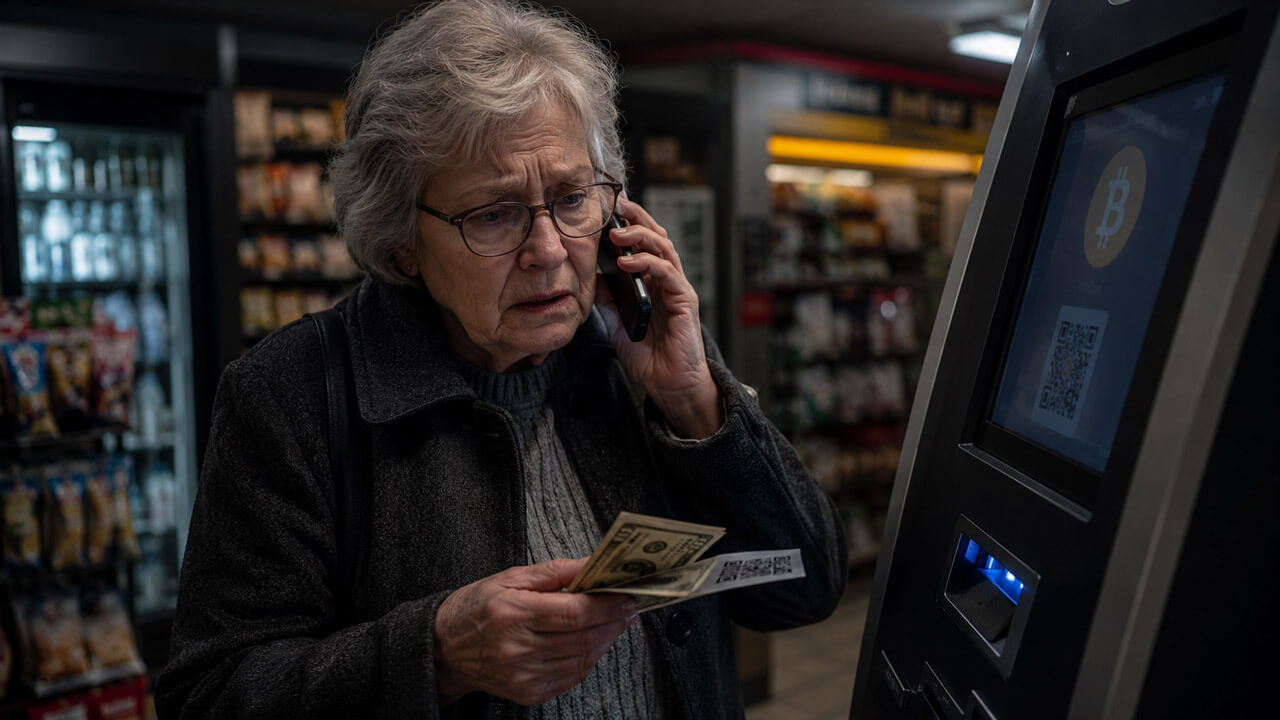
Bitcoin ATMs are now a primary target for sophisticated fraudsters because these kiosks allow for the near-instant, anonymous, and irreversible transfer of cash into the hands of international criminals.
The FBI reports that Bitcoin ATMs have become a primary tool for fraudsters in an $11 billion scam industry because transactions are irreversible and bypass traditional bank delays.
Recent data from the FBI and the Internet Crime Complaint Center (IC3) highlights a disturbing trend across the United States. Federal investigators are sounding the alarm on an $11 billion scam pipeline that often concludes at a local convenience store or gas station Bitcoin kiosk. For American investors and everyday consumers, understanding how these machines are exploited is the first line of defense against financial ruin.
The Mechanics of the Crypto Kiosk Scam
The scam typically begins with social engineering (the psychological manipulation of people into performing actions or divulging confidential information). A victim might receive a phone call from someone pretending to be a representative of the Social Security Administration, a utility company, or even a well-known tech support firm. The caller creates a sense of urgent panic, claiming the victim's bank account has been compromised or they owe immediate back taxes.
Once the victim is scared, the scammer directs them to a nearby Bitcoin ATM (a physical kiosk that allows a person to purchase Bitcoin or other cryptocurrencies using cash). The victim is instructed to withdraw physical cash from their bank and deposit it into the machine. By scanning a QR code provided by the scammer—which represents the scammer's digital wallet (a software program that stores the keys to access your cryptocurrency)—the funds are sent directly to the criminal.
"The speed of cryptocurrency is its greatest feature for investors, but its greatest flaw for victims. Once that 'Send' button is pressed at a kiosk, the money is effectively gone from the U.S. financial system within seconds."
Why Bitcoin ATMs Are the Final Stop
Unlike traditional wire transfers or check payments, Bitcoin transactions do not have a reversal mechanism (a way to undo a transaction once it has been confirmed on the blockchain). When a victim uses a kiosk, they are essentially handing over untraceable digital cash. According to CoinGecko, the proliferation of thousands of these machines across US suburbs has made access to crypto easier than ever, but it has also removed many of the safeguards found in traditional banking.
Scammers prefer these kiosks for several reasons:
- High Speed: The transaction clears faster than any bank fraud department can intervene.
- Physical Distance: The scammer can be located anywhere in the world while the victim is standing in a local US pharmacy.
- Lower Regulation: Many kiosks have higher limits for anonymous transactions compared to online exchanges.
Common Red Flags for US Residents
The FBI has identified specific patterns that Americans should watch for. To stay safe, remember these critical rules about how official North American institutions operate. Scammers rely on your lack of knowledge regarding blockchain technology (the decentralized digital ledger that records all crypto transactions).
- Government agencies will never ask you to pay a fine via a QR code.
- Lottery commissions will never require a "crypto fee" to release your winnings.
- No legitimate tech support company will ask you to visit a grocery store to "protect" your money.
Protecting the Vulnerable
Older Americans are disproportionately targeted in senior fraud (scams specifically designed to exploit elderly individuals who may be less familiar with new technology). If you see a family member being coached over the phone while standing at a Bitcoin ATM, it is highly likely a crime is in progress. Public awareness is currently the most effective tool for prevention.
What This Means for USA Investors
For the average US investor using reputable platforms like Coinbase, Kraken, or Gemini, these scams highlight the importance of security. While the SEC (Securities and Exchange Commission) and CFTC (Commodity Futures Trading Commission) oversee major exchanges, local kiosks often operate in a regulatory gray area depending on state laws. Most US states require kiosk operators to hold a Money Transmitter License, but enforcement varies.
From a tax perspective, the IRS (Internal Revenue Service) treats cryptocurrency as property. If you are scammed, you may be tempted to claim a theft loss deduction. However, under current US tax law (the Tax Cuts and Jobs Act), personal casualty and theft loss deductions are largely suspended through 2025 unless the loss is attributable to a federally declared disaster. This makes the financial blow of a Bitcoin ATM scam even more devastating, as there is often no tax relief available.
The Future of Kiosk Regulation
As the $11 billion fraud pipeline grows, US lawmakers are considering stricter KYC (Know Your Customer) requirements for kiosk operators. This would involve requiring every user to scan a government-issued ID and providing a waiting period for large transactions. Until these federal protections are widespread, the responsibility for safety remains with the individual user and their awareness of these common predatory tactics.
Key Takeaways
- Identify red flags in unsolicited calls from people claiming to be government agents or tech support.
- Recognize that legitimate government agencies like the IRS or SEC will never demand payment via Bitcoin ATM.
- Understand that Bitcoin ATM transactions are irreversible once the receipt is generated and funds sent.
- Monitor elderly family members who are frequently targeted by these high-pressure kiosk-based scams.
- Report any suspicious kiosk activity to the FBI’s Internet Crime Complaint Center (IC3) immediately.