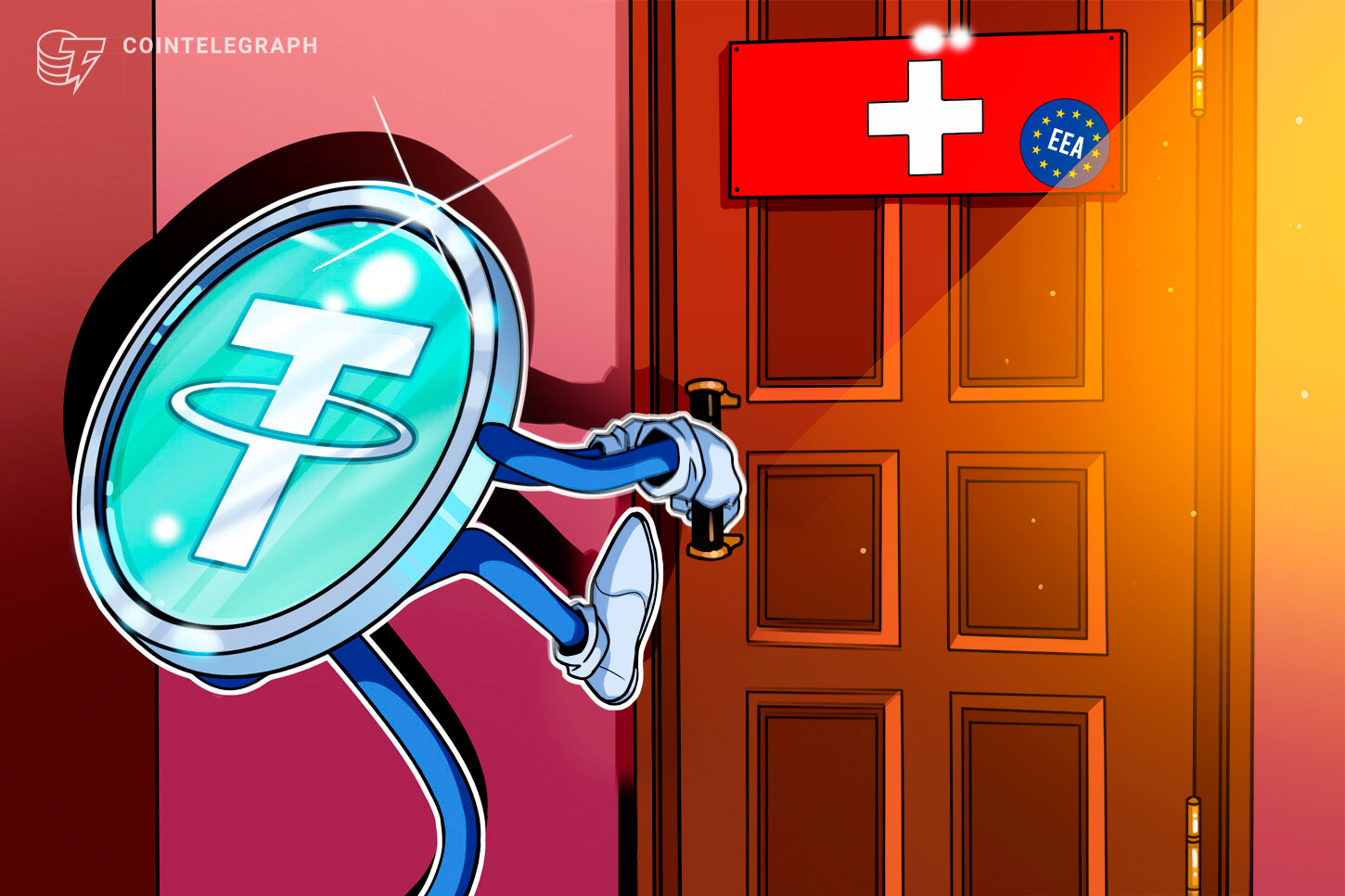
Revolut has confirmed that its recent decision to delist the USDT stablecoin is strictly limited to users in the European Economic Area (EEA) and Switzerland.
Revolut is delisting the USDT stablecoin specifically for users in the European Economic Area (EEA) and Switzerland due to new MiCA regulations, while services for users in other regions remain unaffected.
American investors using global fintech platforms have been on high alert following reports that Revolut, a major digital banking and crypto app, would stop supporting Tether (USDT). While the delisting is moving forward in Europe, the company has clarified that this change does not currently impact its services outside of those specific jurisdictions. This move comes as international regulators tighten their grip on how digital assets are issued and traded.
The Drive Behind the European Delisting
The primary catalyst for this shift is the Markets in Crypto-Assets (MiCA) regulation. MiCA is a comprehensive set of rules designed by the European Union to bring order to the crypto market. Under these rules, stablecoins (cryptocurrencies designed to maintain a steady value, usually pegged 1:1 to the US Dollar) must meet strict licensing requirements to operate within the EU.
Because Tether, the issuer of USDT, has not yet secured the specific licenses required under the MiCA framework, platforms like Revolut are choosing to proactively remove the asset to avoid legal penalties. This highlights a growing divide between how different global regions approach liquidity (the ease with which an asset can be bought or sold without affecting its price).
According to data from CoinGecko, USDT remains the largest stablecoin by market capitalization, serving as a primary pair for most crypto trades globally. Despite its dominance, the lack of a standardized regulatory status in Europe is forcing a reshuffle of available assets on major fintech apps.
Impact on Global Crypto Trading
For traders outside of Europe, the immediate impact is negligible, but the long-term precedent is significant. Financial institutions are increasingly prioritizing compliance over asset variety. By removing USDT in specific markets, Revolut is signaling that it will prioritize its banking licenses over offering every high-volume crypto asset.
"The regulatory landscape is shifting from a 'wild west' environment to one defined by strict geographical borders and compliance checklists."
While USDT is the target today, other stablecoins that do not meet fiat-backed (assets held in reserve as cash or government bonds to back a token) criteria could face similar hurdles. Investors are now watching to see if other major players follow Revolut's lead in carving out restricted zones for specific tokens.
Comparing Stablecoin Regulations
To understand why this is happening, it helps to look at the different categories of assets regulators are targeting. Not all stablecoins are treated equally by platforms like Revolut.
- Regulated Stablecoins: These are tokens like USDC or EURC that actively seek licenses within the jurisdictions they operate.
- Unregulated Stablecoins: Assets that operate globally but may not have specific regional registrations, like USDT in certain European contexts.
- Algorithmic Stablecoins: Highly risky tokens that use software code rather than cash reserves to maintain their price.
What This Means for USA Investors
USA-based investors should pay close attention to the Revolut news as a potential bellwether for domestic policy. Currently, the Securities and Exchange Commission (SEC) and the Commodity Futures Trading Commission (CFTC) are debating the legal status of stablecoins in the United States. While USDT is still widely available on US-based exchanges like Coinbase and Kraken, the introduction of the Lummis-Gillibrand bill or similar legislation could mirror Europe's MiCA restrictions.
From a tax perspective, any forced delisting that requires you to sell your USDT for USD or another crypto would be considered a taxable event by the IRS. This means you would owe capital gains taxes on any profit, even if you were forced to liquidate because the platform no longer supported the coin.
- Check your wallet: Verify if your preferred exchange has a physical presence in Europe that might trigger these rules.
- Monitor USD Pegs: Ensure your stablecoin of choice is maintaining its 1:1 value during these regulatory shifts.
- Review Exchange Terms: Keep an eye on updates from US exchanges regarding their compliance with upcoming domestic stablecoin laws.
The Future of Tether on Fintech Apps
Revolut’s decision highlights the fragmentation of the crypto market. While the internet is global, banking laws remain local. As long as US regulators do not implement an identical version of MiCA, USDT will likely remain a staple for American retail investors. However, the trend toward permissioned systems (blockchains where users must be verified) suggests that the era of universal access to all tokens may be ending.
Investors should consider the "platform risk" of holding large amounts of any single asset on a custodial exchange. For those in the US, utilizing a mix of regulated assets and self-custody wallets remains the best strategy to hedge against sudden regional delistings like the one seen in Europe this week.
Key Takeaways
- Confirm that the USDT delisting only applies to Revolut customers in Europe and Switzerland.
- Recognize MiCA regulations as the primary driver behind the stablecoin's removal in certain markets.
- Monitor US-based exchanges for similar compliance shifts as domestic stablecoin laws evolve.
- Diversify stablecoin holdings across regulated options like USDC if concerned about platform risk.
- Understand that global USDT liquidity remains stable despite these specific regional restrictions.