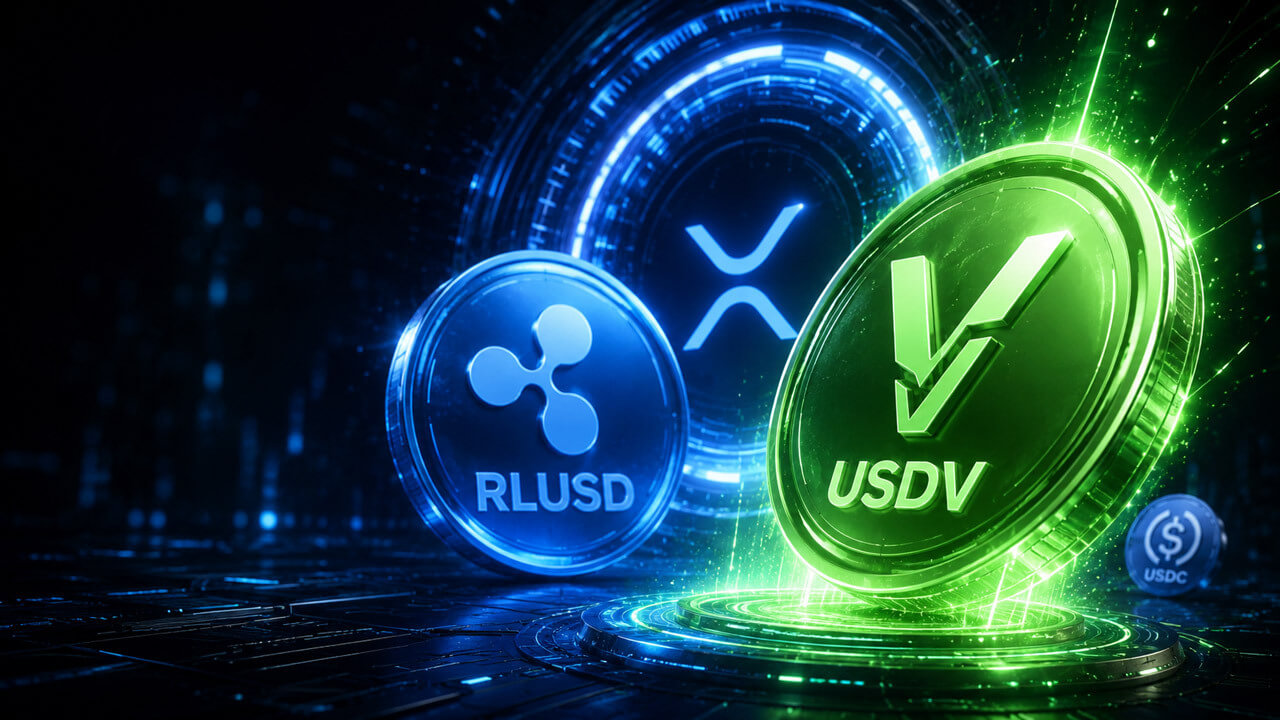
The XRP Ledger (XRPL) has reached a major milestone as its total stablecoin supply climbed to nearly $900 million, signaling a massive influx of dollar-backed liquidity into the Ripple ecosystem.
The XRP Ledger (XRPL) has seen its stablecoin ecosystem surge to nearly $900 million, primarily driven by Ripple’s RLUSD and the breakout growth of Valtorum’s USDV token.
Cryptocurrency markets are witnessing a significant shift in where digital dollars are being parked. While Ethereum and Tron have long dominated the stablecoin (digital tokens pegged 1:1 to a fiat currency) landscape, the XRP Ledger is now making a definitive move. In the last 30 days alone, the supply of these assets on XRPL surged by over 20%, driven by institutional interest and new product launches that cater to American and global investors.
The Rise of Ripple USD (RLUSD)
Much of this growth can be attributed to Ripple USD (RLUSD), the company's native institutional-grade stablecoin. Currently, RLUSD accounts for approximately $844 million of the total $890 million supply on the ledger. This represents nearly 95% of all stablecoin market share on the network.
Ripple has designed this token specifically for cross-border payments and Decentralized Finance (DeFi: financial services built on blockchain without traditional banks). By maintaining a massive liquidity pool, the network ensures that businesses can move large sums of money without the price volatility usually associated with digital assets.
According to recent data from CoinGecko, the broader stablecoin market remains a critical bridge between traditional finance and the blockchain world. For XRPL, the concentration of supply in RLUSD shows that the network is successfully transitioning from a simple payment rail to a robust financial hub.
USDV: The Emerging Breakout Trend
While RLUSD holds the lion's share, savvy investors are looking at USDV (Valtorum USD) as the real breakout story. USDV has quickly grown to a $39.3 million market cap on the ledger. This suggests that the ecosystem is becoming more diverse, moving away from a single-entity model.
"The diversification of stablecoins on a network is often a precursor to a secondary DeFi summer, as it provides more collateral options for lending and borrowing protocols."
The growth of USDV indicates that third-party issuers are finding value in the XRPL speed and low transaction costs. For US participants, this variety offers more choices for maintaining digital cash positions without leaving the Ripple ecosystem.
Technical Benefits of XRPL Stablecoins
The XRP Ledger offers several technical advantages that make it an attractive home for digital dollars. Unlike some older blockchains, the XRPL was built with an Issued Currencies feature that allows for the seamless creation and transfer of any asset.
- Low Latency: Transactions settle in roughly 3 to 5 seconds.
- Cost Efficiency: Fees are typically a fraction of a penny, far lower than Ethereum gas prices.
- Burn Mechanism: A tiny amount of XRP is burned (permanently removed from circulation) with every transaction, potentially helping long-term XRP value.
What This Means for USA Investors
For investors in the United States, the growth of the XRP Ledger ecosystem is particularly relevant as the regulatory landscape becomes clearer. The SEC (Securities and Exchange Commission) has been in a long-standing legal battle with Ripple, but recent rulings have provided a framework for how XRP is classified.
- Tax Treatment: In the eyes of the IRS, swapping stablecoins for XRP or vice versa is a taxable event. US users should use tools like CoinTracker to log capital gains or losses.
- Exchange Availability: Major US exchanges like Coinbase, Kraken, and Gemini have relisted XRP, making it easier than ever to move USD into the XRPL ecosystem.
- Institutional Custody: Increased stablecoin supply often attracts institutional custodians, which can lead to safer storage options for American retail investors.
As the Federal Reserve contemplates digital currency regulations, the emergence of private, compliant stablecoins like RLUSD provides a roadmap for how USD-pegged assets will function within the American financial system.
Evaluating Future Growth
While $900 million is a significant achievement, it is still a small fraction of the total stablecoin market. However, the 20% monthly growth rate suggests that the trend is accelerating. Investors should watch for the integration of these stablecoins into Automated Market Makers (AMMs: smart contracts that allow for permissionless trading) on the ledger.
The increase in "dry powder" (available cash sitting on the sidelines) within the XRPL usually leads to higher trading volumes and more utility for the native XRP token. As we head into the next market cycle, the XRP Ledger is positioning itself as a high-speed, low-cost alternative for the growing stablecoin economy.
Key Takeaways
- Monitor the 20% monthly growth in XRPL stablecoin supply as a sign of increasing network utility.
- Track the dominance of RLUSD, which currently represents nearly 95% of the ledger's dollar-pegged assets.
- Identify USDV as an emerging alternative stablecoin gaining rapid market share on the platform.
- Assess how increased stablecoin liquidity could impact the price and demand for the native XRP token.
- Stay informed on US regulatory clarity as Ripple prepares its USD-pegged token for retail and institutional use.