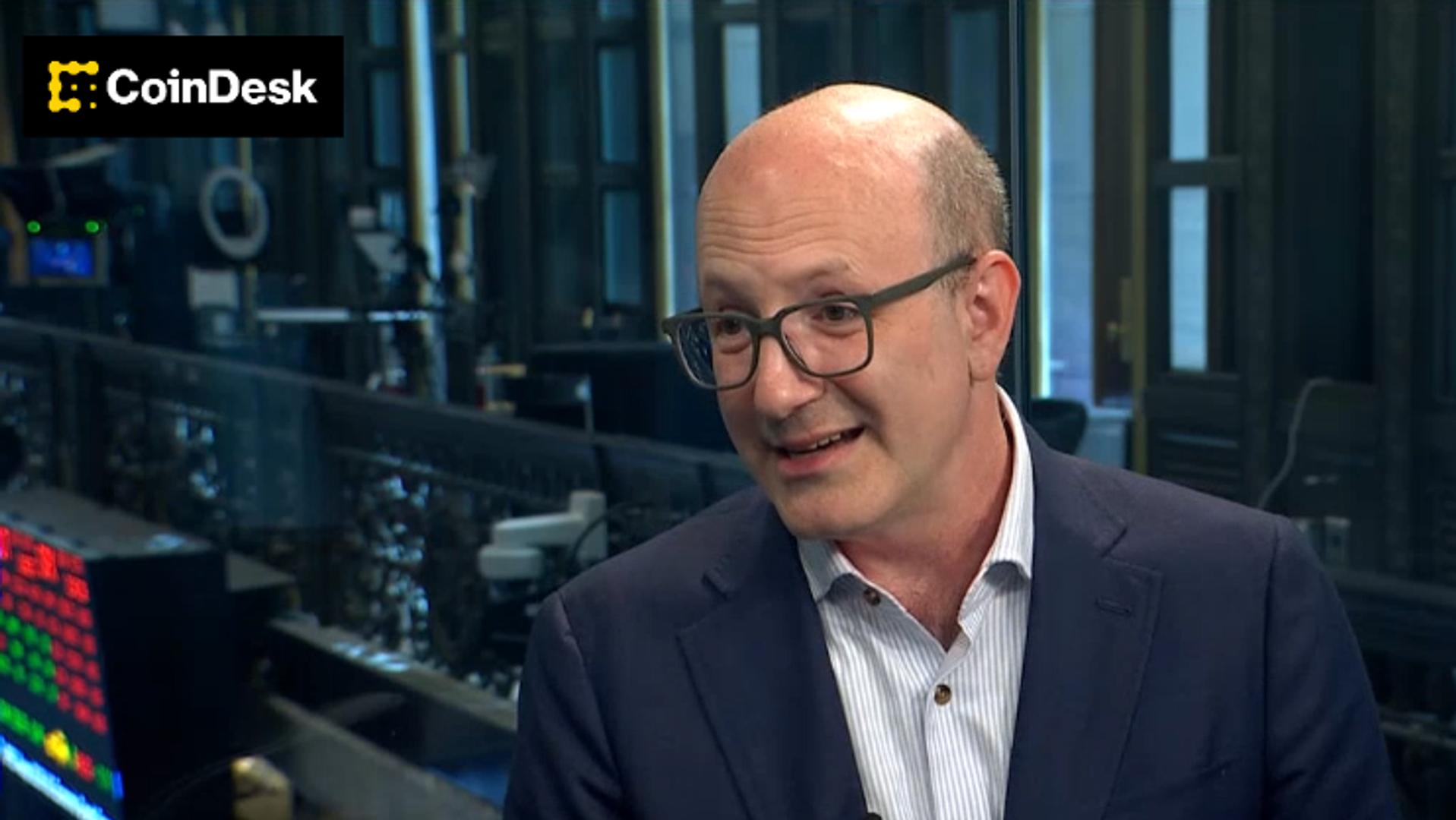
The Chief Investment Officer of Franklin Templeton’s digital asset division believes that cryptocurrency prices are currently disconnected from their strongest fundamental metrics to date.
Franklin Templeton's crypto leadership asserts that current digital asset prices are lagging behind the industry's strongest underlying fundamentals and institutional growth in years.
Institutional interest in the digital asset space is reaching a fever pitch in the United States, yet the market price of major tokens often fails to reflect this underlying health. While retail traders often focus on short-term volatility, large-scale American asset managers are looking at the long-term structural changes within the blockchain ecosystem. This divergence suggests that the market may be undervalued relative to its actual utility and adoption rates.
The Gap Between Price and Reality
For many US investors, the daily fluctuations of Bitcoin (BTC) or Ethereum (ETH) are the only signals they watch. However, industry insiders argue that these "ticker prices" are currently decoupled from the actual work being done on-chain (data recorded on the blockchain). This includes the rise of stablecoins (digital assets pegged to the US Dollar) and the increasing number of active wallet addresses.
Fundamental analysis in crypto involves looking at network fees, transaction volumes, and developer activity. Even as these metrics hit multi-year highs, prices have remained relatively subdued compared to previous bull cycles. This creates a unique window where the technical progress of the industry outpaces its financial valuation.
"Institutional adoption is accelerating even as digital asset prices fail to reflect the industry's strongest fundamentals in years."
Institutional Inflows vs. Retail Sentiment
The landscape of the US crypto market has shifted significantly since the approval of spot Bitcoin ETFs (Exchange-Traded Funds). These products allow traditional investors to gain exposure to crypto through their brokerage accounts without holding private keys. According to data tracked by CoinGecko, the total market cap of the industry reflects a massive influx of capital, even if the individual token prices haven't reached their fully realized potential yet.
Common metrics used to judge this institutional growth include:
- ETF Net Inflows: Record-breaking capital entering Bitcoin and Ethereum funds in the US market.
- Custody Services: Major US banks like BNY Mellon and State Street exploring crypto storage solutions.
- Tokenization: The process of moving traditional assets like Treasury bills onto a blockchain for faster settlement.
Why Market Sentiment is Lagging
One reason for the price-fundamental disconnect is the lingering "crypto winter" psychology among retail investors. While Wall Street firms are building infrastructure, many individual traders remain cautious due to past volatility. This creates a market where the "smart money" is accumulating while the broader public remains on the sidelines.
Furthermore, macroeconomic factors like Federal Reserve interest rate hikes have traditionally suppressed speculative assets. As the US economy navigates inflation and labor market shifts, crypto often gets lumped in with high-risk tech stocks. This overshadows the specific technological milestones achieved by Layer 2 networks (secondary protocols that make blockchains faster and cheaper).
What This Means for USA Investors
For investors based in the United States, this disconnect offers both a challenge and a strategic opportunity. Understanding the regulatory and tax environment is essential for navigating this period of price discovery.
- SEC and CFTC Oversight: Greater clarity from the Securities and Exchange Commission (SEC) is providing the legal comfort institutional firms need to invest.
- IRS Tax Treatment: The IRS treats crypto as property, meaning US investors must track capital gains and losses for every trade on platforms like Coinbase or Kraken.
- Exchange Availability: Regulated US exchanges offer the safest route for those looking to capitalize on fundamental growth before prices catch up.
As the US dollar remains the primary pairing for most crypto trades, the strength of the USD directly impacts global digital asset valuations. Investors should watch for a shift in the "risk-on" sentiment that usually drives price action back toward fundamental reality.
Looking Toward the Future
As blockchain technology becomes more integrated into the US financial system, the gap between price and value is expected to close. The entry of massive wealth managers like Franklin Templeton signals that crypto is moving from a speculative niche to a legitimate asset class. For the patient investor, the focus should remain on the building blocks of the network rather than the noise of the daily chart.
Key Takeaways
- Identify the growing gap between market valuation and actual network utility in the digital asset space.
- Recognize that institutional adoption by major US firms is accelerating despite stagnant price action.
- Understand why current market inefficiency may provide an entry point for long-term strategic investors.
- Evaluate the impact of spot ETFs and regulatory clarity on the long-term price floor for Bitcoin and Ether.