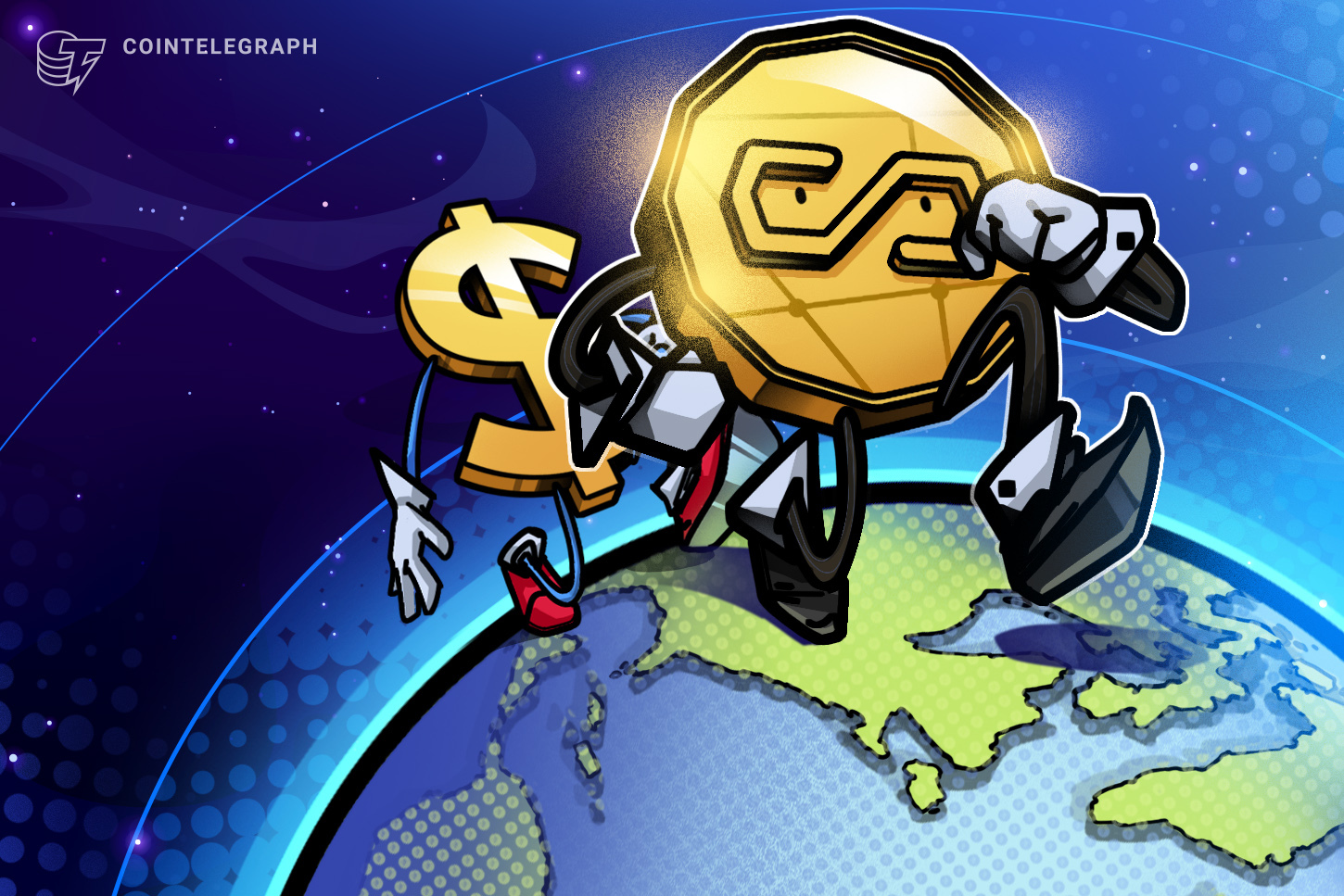
As traditional banking systems face severe US dollar shortages in emerging markets, stablecoins like Tether (USDT) are stepping in as the primary alternative for international trade and personal savings.
Bolivia has officially recognized USDT stablecoins to bypass a severe US dollar shortage, while American Bitcoin mining firms are increasingly pivoting their infrastructure toward Artificial Intelligence to diversify revenue.
Financial authorities in Bolivia have officially pivoted toward USDT (a cryptocurrency pegged 1:1 to the US dollar) to facilitate cross-border transactions. This move comes at a time when the legal and fiscal landscape for crypto is shifting rapidly, not just in South America, but also within the United States. For American investors, these global adoption patterns serve as a critical signal of how digital assets are evolving from speculative toys into essential financial infrastructure.
The Rise of USDT in Dollar-Starved Economies
Bolivia is currently grappling with a significant liquidity crisis, making it difficult for businesses to obtain physical US dollars. To keep the gears of commerce turning, the nation's financial regulators have integrated stablecoins (cryptocurrencies designed to maintain a steady price) into their formal banking sector. This allows citizens to hold and trade digital assets that mirror the value of the USD without needing a traditional dollar-denominated bank account.
While Bolivia previously held a skeptical stance toward crypto, the reality of a dollar shortage has forced a pragmatic shift. This trend is not unique to Bolivia; several nations facing currency devaluation are looking at the blockchain as a transparent and efficient rail for settlements. This global demand reinforces the dominant market position of USDT, which remains the most widely used stablecoin globally according to data from CoinGecko.
Bitcoin Miners Pivot to Artificial Intelligence
While stablecoins solve trade issues, the Bitcoin mining (the process of using high-powered computers to secure the network) industry is undergoing its own transformation. Major U.S.-based mining firms are no longer just focused on minting new digital gold. Instead, they are repurposing their massive data centers to support Artificial Intelligence (AI) workloads.
As the Halving (a pre-programmed event that cuts Bitcoin mining rewards in half) has decreased direct profitability, miners are seeking "high-performance computing" contracts. These contracts offer more stable, predictable revenue streams than the volatile crypto market. However, this pivot has brought fresh scrutiny from Wall Street investors who are questioning whether these companies can successfully compete with established cloud giants like Amazon or Google.
"The intersection of Bitcoin mining infrastructure and AI compute power represents one of the most significant shifts in the digital energy landscape we have seen this decade."
Global Adoption vs. US Regulation
American investors should pay close attention to how foreign nations handle stablecoins. When a country like Bolivia legitimizes USDT, it adds pressure on the U.S. Congress to pass clear stablecoin legislation. Currently, the U.S. lacks a federal framework, leading to a patchwork of state-level rules from the New York Department of Financial Services (NYDFS) and other bodies.
To understand the current landscape, consider these three major factors influencing the market:
- Liquidity: Stablecoins provide the necessary cash-equivalent liquidity (the ease with which an asset can be converted to cash) for the crypto ecosystem.
- Reserve Backing: Most major stablecoins are backed by U.S. Treasury bills, making the crypto industry a significant buyer of American government debt.
- Accessibility: Digital dollars allow 24/7 global settlement, whereas the traditional ACH or wire system takes days to process.
What This Means for USA Investors
For those based in the United States, the adoption of USDT abroad has direct implications for domestic tax treatment and exchange availability. The IRS (Internal Revenue Service) treats stablecoins as property, meaning every time you swap USDT for another coin or use it for a purchase, it is a taxable event. Even though the price stays at $1.00, you must track your cost basis carefully.
Furthermore, the SEC (Securities and Exchange Commission) continues to debate whether certain stablecoins should be classified as securities. American users primarily access these assets through regulated platforms like Coinbase, Kraken, or Gemini. While USDT is available, many US exchanges are promoting USDC (Circle’s stablecoin) due to its perceived higher compliance with U.S. auditing standards. Investors should be aware of the following:
- Exchange Risk: Always check if your preferred exchange is licensed to operate in your specific state, especially in restrictive areas like New York or Hawaii.
- Counterparty Risk: Research the reserves of any stablecoin you hold to ensure they are fully collateralized by USD cash or equivalents.
- Yield Opportunities: Many U.S. investors use stablecoins in DeFi (Decentralized Finance) to earn interest rates that often exceed traditional savings accounts.
The Future of Digital Dollars
The transition toward a digital financial system is accelerating. As more countries turn to crypto to solve macroeconomic (large-scale economic) problems, the utility of the technology becomes harder to ignore. Whether it is a merchant in Bolivia using USDT to buy inventory or a Texas-based miner selling compute power to an AI startup, the lines between traditional finance and crypto are blurring.
For the intermediate investor, the takeaway is clear: Stablecoins are the "killer app" of the blockchain. They provide the gateway for the next billion users to enter the digital economy, and their success will likely dictate the next wave of bullish (price-increasing) sentiment in the broader crypto market.
Key Takeaways
- Identify how stablecoins like USDT are becoming primary trade tools in economies lacking US dollar liquidity.
- Recognize the shift of Bitcoin miners into the AI sector as a strategy to mitigate post-halving revenue dips.
- Understand the growing global demand for digital dollars and its potential impact on US regulatory speed.
- Evaluate the stability of Tether (USDT) as it becomes a de facto reserve currency for international trade.