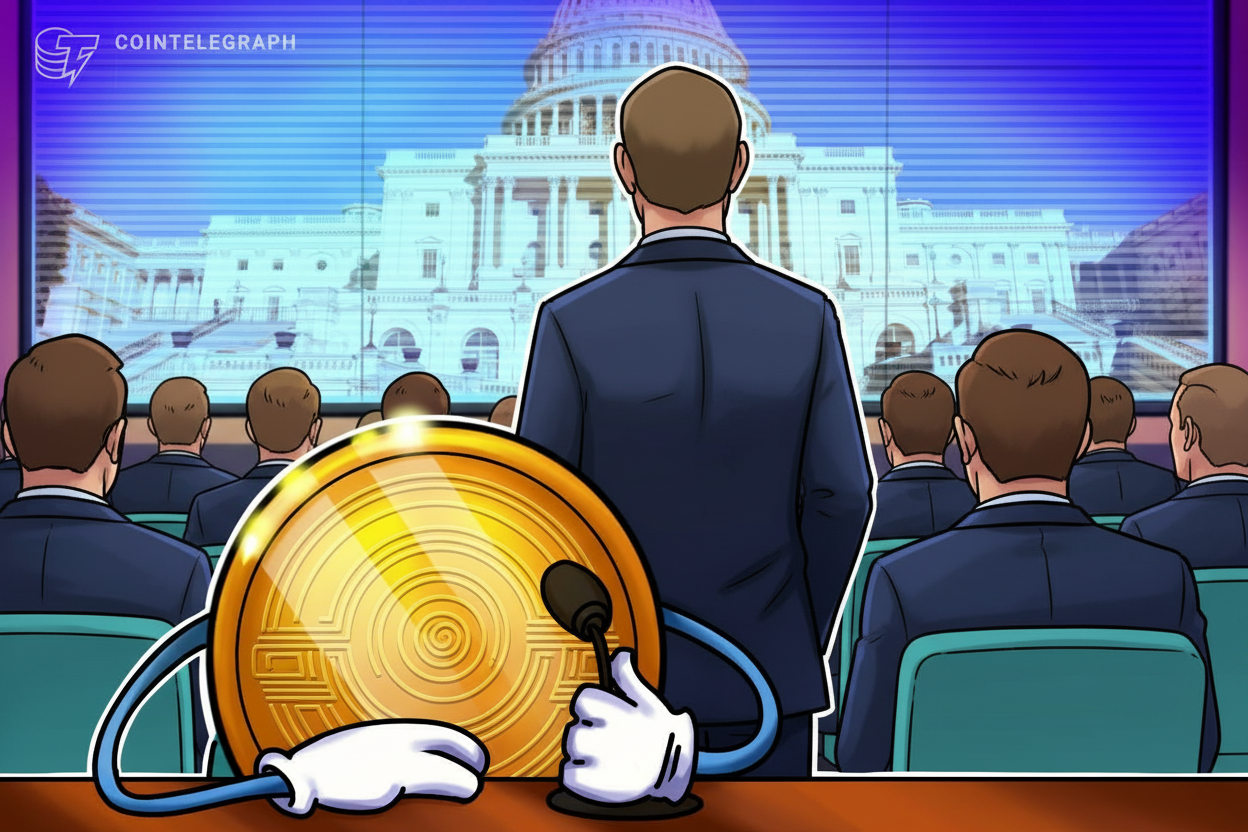
Senator John Kennedy recently clarified during a Senate hearing that cryptocurrency assets are not the driving force behind the current economic challenges and affordability crisis facing American families.
Senator John Kennedy stated during a Senate hearing that cryptocurrency is not the root cause of current US economic struggles, despite ongoing debates over digital asset regulation.
During a high-stakes Senate hearing focused on the rising cost of living in the United States, Louisiana Senator John Kennedy addressed the role of digital currencies. While the hearing was intended to tackle inflation and housing, the conversation briefly turned to the digital asset (electronic money) sector. Kennedy's remarks suggest a growing realization in Washington that blaming crypto for macro-economic failures is no longer a viable political strategy.
The Digital Chamber Defends Crypto Utility
Cody Carbone, the CEO of the Digital Chamber (a prominent US-based crypto advocacy group), testified before the committee to highlight how blockchain technology can actually improve financial accessibility. Carbone argued that stablecoins and decentralized finance could lower costs for average Americans. However, the reception from the committee was mixed, as lawmakers remained focused on immediate household expenses.
The discussion underlined a persistent divide in the Capitol Hill (the seat of the US government) ecosystem. While industry leaders view crypto as a solution to financial friction, many senators view it as a distraction from the core issues of inflation (the rate at which prices rise) and national debt. Kennedy’s pushback was not necessarily anti-crypto, but rather an insistence that crypto is not the "problem" causing the current economic squeeze.
Focusing on the Real Economic Drivers
Senator Kennedy emphasized that the primary concerns for his constituents are the prices at the grocery store and the gas pump. By stating that crypto isn't the problem, he effectively pivoted the conversation back to fiscal policy and government spending. This is a significant development for investors who fear that digital assets might be scapegoated for broader market volatility.
"The issue isn't whether people are buying Bitcoin; the issue is whether they can afford to buy bread and eggs under current fiscal policies."
Legislative Priorities and the Digital Asset Industry
As the US enters a critical election cycle, the Senate Banking Committee is under pressure to produce results on affordability. This means that comprehensive crypto frameworks may take a backseat to more urgent economic bills. Investors looking at the CoinGecko global market data can see that while the market fluctuates, the legislative needle moves much slower.
- Stablecoin Legislation: Still pending but viewed as a bridge between traditional and digital finance.
- SEC Oversight: Ongoing debates remain regarding whether most tokens are securities or commodities.
- Bipartisan Support: Growing interest from both parties in fostering American innovation in the blockchain space.
A Shift in the Regulatory Narrative
For several years, certain US lawmakers have characterized crypto as a threat to the US Dollar (the world's primary reserve currency). However, the tone in recent hearings suggests a shift. Instead of treating crypto as a systemic threat, lawmakers like Kennedy are treating it as a distinct industry that, while needing rules, is not the culprit behind the $34 trillion national debt.
- Lawmakers identify the primary cause of economic pain (inflation).
- Industry advocates present crypto as a tool for financial inclusion.
- Legislators acknowledge that crypto is not the root of economic instability.
What This Means for USA Investors
For the average American investor on platforms like Coinbase, Kraken, or Gemini, this rhetoric is cautiously optimistic. It suggests that the federal government is moving away from the "war on crypto" narrative in favor of a more nuanced understanding. However, the IRS (Internal Revenue Service) still treats every crypto trade as a taxable event, and this hearing does not change current tax obligations.
While the SEC (Securities and Exchange Commission) continues its "regulation by enforcement" approach, the Senate's focus on affordability means specific pro-crypto laws might be delayed. Investors should continue to monitor USD price action closely, as domestic economic policy will likely impact crypto prices more than specific blockchain news in the short term. The CFTC (Commodity Futures Trading Commission) also remains a key player for those trading Bitcoin and Ethereum futures in the US.
Key Takeaways
- Acknowledge that Senator John Kennedy dismissed claims that crypto is hurting the broader US economy.
- Identify inflation and government spending as the primary economic concerns highlighted by lawmakers.
- Recognize the Digital Chamber's active role in advocating for pro-crypto policies in Washington D.C.
- Understand that the Senate is currently prioritizing 'affordability' over specific crypto legislation.
- Observe the cooling tension between US lawmakers and the digital asset industry regarding economic risk.