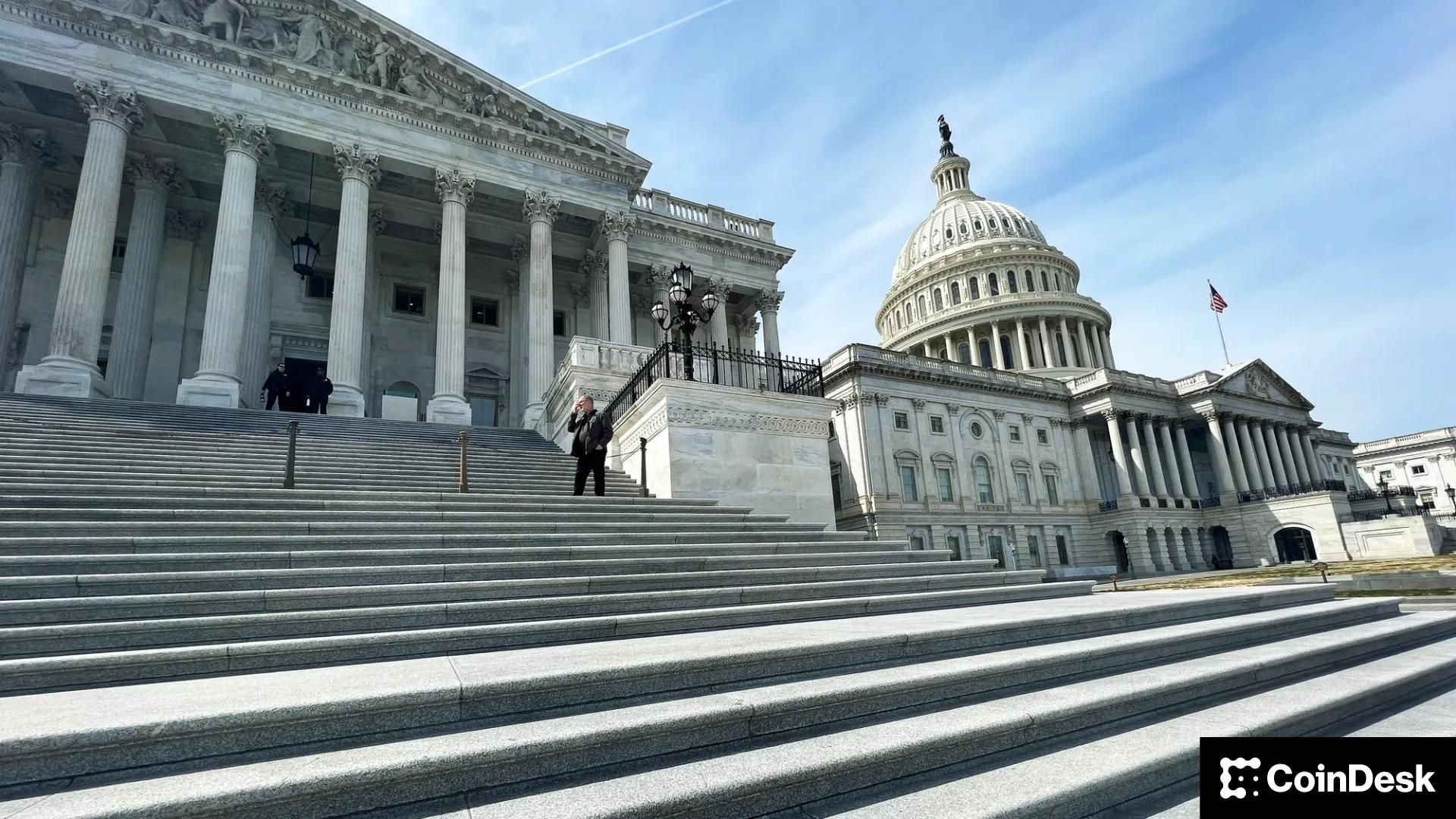
The US Congress faces a ticking clock to pass the Clarity for Payment Stablecoins Act before the looming summer recess and the 2024 election cycle halt legislative progress.
The window for passing the Clarity for Payment Stablecoins Act is narrowing as the US Congress approaches its summer recess, leaving investors waiting for federal oversight.
Washington D.C. has become the focal point for digital asset holders this July as lawmakers race to finalize the "Clarity Act." This proposed bill aims to create a federal framework for stablecoins (cryptocurrencies pegged to a stable asset like the US Dollar).
For American investors, the outcome determines whether regulated US companies like Circle or Tether operate under clear rules. Without this bill, the industry remains in a state of "regulation by enforcement," where agencies like the SEC (Securities and Exchange Commission) define rules through lawsuits rather than laws.
The Legislative Clock and Summer Recess
Congress typically takes a long break in August, known as the summer recess. This period is a critical deadline for US crypto legislation because once lawmakers return, their focus shifts entirely to the November elections. Any bill not passed by then may effectively die and need to be reintroduced in 2025.
Current sentiment on Capitol Hill is a mix of strategic optimism and cold realism. While bipartisan leaders in the House Financial Services Committee have worked on the Clarity Act for months, the Senate remains a significant hurdle. If the bill doesn't reach the floor by the end of July, the chances of it becoming law this year drop significantly.
"The next three weeks represent the final window for meaningful crypto policy before the political machinery of the general election takes over the national stage."
Why Stablecoin Rules Matter to You
Stablecoins are the backbone of the decentralized finance (DeFi) ecosystem. They allow US investors to move in and out of volatile assets like Bitcoin without converting back into bank-issued cash (fiat) every time. Having a federal law would mean your digital dollars are backed by audited reserves that meet government standards.
- Consumer Protection: Ensures that issuers have the actual dollars they claim to hold in reserve.
- Market Stability: Reduces the risk of a "bank run" on digital assets that could crash prices.
- Innovation: Allows US banks to integrate blockchain technology (a digital ledger system) with legal certainty.
The Role of the SEC and CFTC
One of the biggest issues in US crypto legislation is deciding which agency oversees the market. Currently, a turf war exists between the SEC (which views most tokens as securities or investment contracts) and the CFTC (Commodity Futures Trading Commission, which views them as commodities like gold).
The Clarity Act focuses specifically on stablecoins but is seen as a bellwether for broader laws. Many investors check data on CoinGecko to track the massive market share of USD-pegged tokens, illustrating why the government is so eager to step in. A lack of movement in Congress means the SEC will likely continue its current path of suing exchanges.
What This Means for USA Investors
For the average American crypto user, the legislative stalemate has several immediate impacts. First, regarding IRS tax treatment, the lack of a new bill means the current rules remain: every crypto-to-crypto trade is a taxable event based on USD value at the time of the swap.
- Exchange Safety: Major US platforms like Coinbase and Kraken are pushing for these laws to compete fairly with offshore entities.
- State-Level Nuance: In the absence of federal law, states like New York (BitLicense) and Wyoming will continue to set their own, often conflicting, rules.
- Banking Access: Until federal law is clear, many US banks remain hesitant to offer crypto-related services to retail customers.
If you hold assets on a US-based exchange, watch for updates regarding domestic stablecoins. Federal legislation would likely make these assets safer but could also lead to stricter KYC (Know Your Customer) identity verification requirements for private digital wallets.
The Path Forward into 2025
If the Clarity Act fails to pass this summer, the "State of Crypto" in the US will enter a holding pattern. We may see a flurry of activity in the "Lame Duck" session (the period between the November election and the new Congress taking office in January).
However, history suggests that major financial reforms rarely happen during transition periods. Investors should prepare for a primary focus on enforcement actions throughout the autumn. Staying informed on these legislative pivots is essential for managing a US-based digital asset portfolio in a shifting regulatory landscape.
Key Takeaways
- Recognize that the Congressional summer break significantly slows the momentum for new crypto bills.
- Monitor the 'Clarity Act' as it represents the most likely chance for bipartisan stablecoin rules.
- Evaluate the impact of the upcoming 2024 elections on the urgency of digital asset regulation.
- Understand that lack of federal action leaves the SEC and CFTC to lead by enforcement efforts.
- Watch for potential floor votes in Washington D.C. before the October campaign season begins.