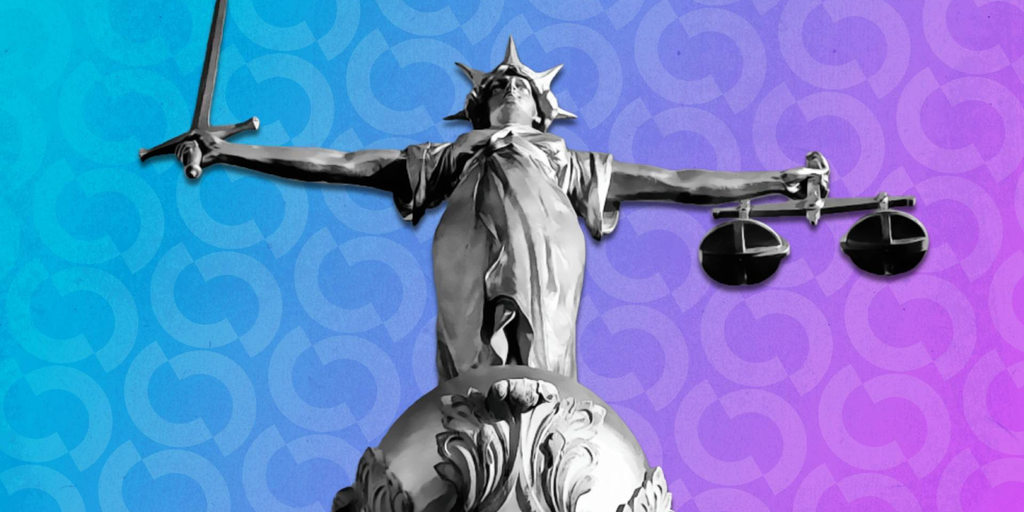
Legal experts are warning that the global justice system is currently ill-equipped to handle the sophisticated surge of AI-powered crypto fraud and money laundering reaching modern courtrooms.
International legal experts are calling for urgent reforms as the rise of artificial intelligence and complex crypto laundering outpaces the ability of judges to handle financial crime cases.
A series of high-level legal reviews has highlighted a dangerous knowledge gap among judges and magistrates regarding digital assets. As cryptocurrency (digital money secured by cryptography) becomes more mainstream, the methods used by criminals to hide illicit funds have become significantly more technical. For American investors, this trend underscores the importance of self-custody and staying informed on the latest blockchain (a shared digital ledger) security protocols.
The Intersection of AI and Crypto Scams
Criminals are no longer just sending suspicious emails; they are now using Artificial Intelligence (software that mimics human intelligence) to create high-quality deepfakes. These faked videos often feature well-known tech leaders or celebrities supposedly endorsing "can't miss" investment opportunities.
Once a victim is hooked, the scammers often use DeFi (Decentralized Finance, or peer-to-peer financial services) protocols to move funds across different blockchains rapidly. This process, known as "chain hopping," makes it incredibly difficult for traditional law enforcement to track the transaction hash (a unique identifier for a crypto transfer).
"The speed at which AI can generate convincing fraudulent content, combined with the borderless nature of crypto, creates a unique challenge that our current legal frameworks were never designed to manage."
Why Modern Courts Are Struggling
The primary issue facing the justice system today is the steep learning curve required to understand how digital assets work. Many judges lack the technical background to evaluate evidence involving smart contracts (self-executing code stored on a blockchain).
Technical Literacy Gaps
Without proper training, legal professionals may struggle to understand the difference between a legitimate project and a rug pull (when developers abandon a project and run away with investors' money). This lack of understanding can lead to delays in prosecution or even the dismissal of valid cases due to technical misunderstandings.
To better understand the terminology involved in these digital crimes, you can browse this Investopedia NFT explainer which details how unique digital assets can be misused or misrepresented in the marketplace.
Common Tactics Used in Global Financial Crimes
Investigators have noted several recurring patterns in how crypto is laundered today. These involve a mix of high-tech tools and traditional social engineering tactics designed to bypass security.
- Mixers and Tumblers: Services used to obfuscate the origin of funds by pooling and scrambling crypto.
- Phishing Deepfakes: Using AI-generated audio or video to impersonate exchange support staff.
- Privacy Coins: High-anonymity assets that are designed to hide balance and transaction details.
- Cross-Border Transfers: Moving funds quickly between jurisdictions with weak crypto regulations.
What This Means for USA Investors
For those living in the United States, the legal landscape is particularly complex. The SEC (Securities and Exchange Commission) and the CFTC (Commodity Futures Trading Commission) are both actively trying to define their boundaries of authority over digital assets.
If you are a victim of a scam in the US, the IRS (Internal Revenue Service) may allow you to claim certain losses, but current tax changes have made it harder to deduct personal theft losses unless they occur in a federally declared disaster area. This makes cold storage (keeping crypto on a physical device disconnected from the internet) more important than ever.
- Exchange Security: Only use reputable US-based platforms like Coinbase, Kraken, or Gemini that comply with strict KYC (Know Your Customer) rules.
- Reporting Crimes: US residents should report crypto fraud directly to the FBI’s Internet Crime Complaint Center (IC3).
- Custody Risks: Understand that assets held on an exchange are subject to the legal health of that specific company.
Future Outlook for Digital Evidence
As international reviews call for better judicial training, we can expect the US legal system to implement similar programs. Increasing the technical literacy of prosecutors and judges will likely lead to more aggressive enforcement against stablecoin (crypto pegged to the value of the US Dollar) laundering rings.
Ultimately, the responsibility for protection stays with the individual investor. By understanding how AI is being used to manipulate the market, you can avoid becoming a statistic in the next global fraud report.
Key Takeaways
- Identify how AI-powered deepfakes are increasingly used to lure investors into fraudulent crypto schemes.
- Recognize the growing gap between advanced blockchain crimes and legacy courtroom expertise.
- Monitor how international legal standards for crypto laundering may influence future US SEC and DOJ policy.
- Utilize hardware wallets and multi-factor authentication to secure assets against evolving digital threats.