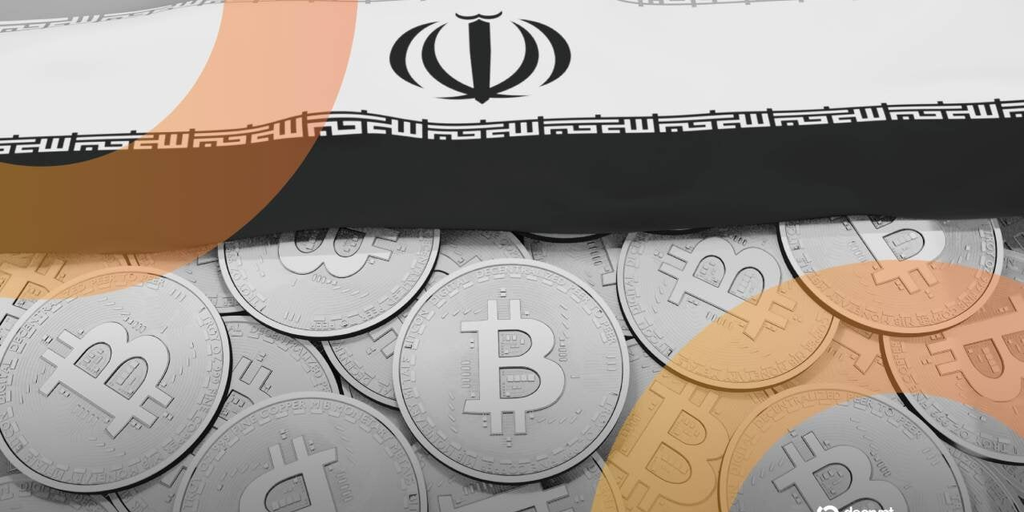
Israeli prosecutors have indicted a 21-year-old American citizen for allegedly conducting espionage for Iran in exchange for cryptocurrency payments while he was living in Jerusalem.
A 21-year-old American student living in Jerusalem has been charged with espionage for allegedly providing intelligence to Iran in exchange for cryptocurrency payments.
An American student studying at a religious seminary in Jerusalem now faces grave charges of aiding a foreign enemy and providing intelligence. The case highlights a growing trend where hostile foreign governments use digital assets to recruit and pay operatives within Western jurisdictions. For U.S. investors, this incident underscores the increasing scrutiny that blockchain-based payments will face from global law enforcement agencies.
The Allegations of Digital Espionage
The suspect reportedly fell under the influence of Iranian handlers who contacted him via social media and encrypted messaging apps. Over several months, the individual is alleged to have performed various tasks, including photographing strategic locations and government buildings in Jerusalem. In exchange for these actions, the handlers transferred cryptocurrency directly to his digital wallet to maintain anonymity.
This case serves as a high-profile example of how non-state actors and rival nations attempt to bypass the SWIFT banking system. By using crypto, the participants hoped to leave no paper trail that traditional financial institutions could flag. However, the nature of a public ledger (a transparent record of all transactions) often allows investigators to trace the flow of funds once a wallet address is identified.
How Crypto Payments Facilitated the Scheme
The use of digital assets in this espionage case was not accidental. These technologies allow for near-instant, borderless transfers that do not require a bank's approval. While the specific coin was not named, assets like Bitcoin or stablecoins (cryptocurrencies pegged to the value of the U.S. Dollar) are frequently used in these types of illicit transactions.
"State actors are increasingly turning to digital assets to fund covert operations, believing the perceived anonymity of the blockchain protects their assets from seizure."
Federal investigators in the United States and Israel are now working to map the flow of these funds. They are utilizing chain analysis (the process of inspecting and trailing blockchain transactions) to identify the specific Iranian entities involved. This level of surveillance is becoming standard practice for the FBI and the Department of Justice when dealing with national security threats.
The Role of Digital Assets and NFTs
While this case focuses on direct currency transfers, the broader digital asset landscape continues to evolve. Some bad actors have explored using NFTs (non-fungible tokens) as a way to launder money or transfer value across borders under the guise of art collecting. If you are new to this space, you can learn more via this Investopedia NFT explainer. In the context of espionage, any asset that can be moved without a central intermediary presents a potential risk to national security.
What This Means for USA Investors
For the average American crypto investor, this news is a reminder that the regulatory environment is tightening specifically to combat these types of crimes. The U.S. government maintains a very strict posture toward any transaction involving Iran due to existing sanctions.
- IRS Tax Compliance: Any crypto received, even through illicit means, is considered taxable income by the IRS at its fair market value.
- Exchange Restrictions: Major U.S. platforms like Coinbase, Kraken, and Gemini have rigorous KYC (Know Your Customer) protocols to prevent their platforms from being used by foreign agents.
- Sanctions List: Interactions with wallets flagged by the OFAC (Office of Foreign Assets Control) can lead to life-altering legal consequences for U.S. citizens.
The SEC and CFTC are likely to use cases like this to justify stricter oversight of self-custody wallets (wallets where the user holds their own private keys). Investors should prepare for more "travel rule" requirements, which mandate that service providers share sender and receiver information for large transactions.
Safety Tips for Digital Asset Holders
- Never accept payments or "tasks" from unknown individuals on Telegram or Discord.
- Always use two-factor authentication (2FA) on your exchange accounts to prevent unauthorized access.
- Be aware that all transactions on public blockchains are permanent and traceable by federal agencies.
- Consult with a tax professional if you discover unexpected assets in your wallet.
Final Thoughts on National Security
The intersection of geopolitics and fintech is becoming increasingly complex. While cryptocurrency offers financial freedom for many, it also presents new challenges for counter-intelligence. As a U.S. investor, staying informed about how these stories influence domestic policy is crucial for protecting your portfolio and staying within the law.
Key Takeaways
- Identify the suspect as an American seminarian accused of photographing sensitive Israeli sites for Iran.
- Recognize that cryptocurrency was used as the primary payment method to evade traditional banking detection.
- Understand the role of digital forensics in tracking cross-border illicit activities by foreign agents.
- Monitor how US authorities may respond to citizens using crypto for state-sponsored espionage.