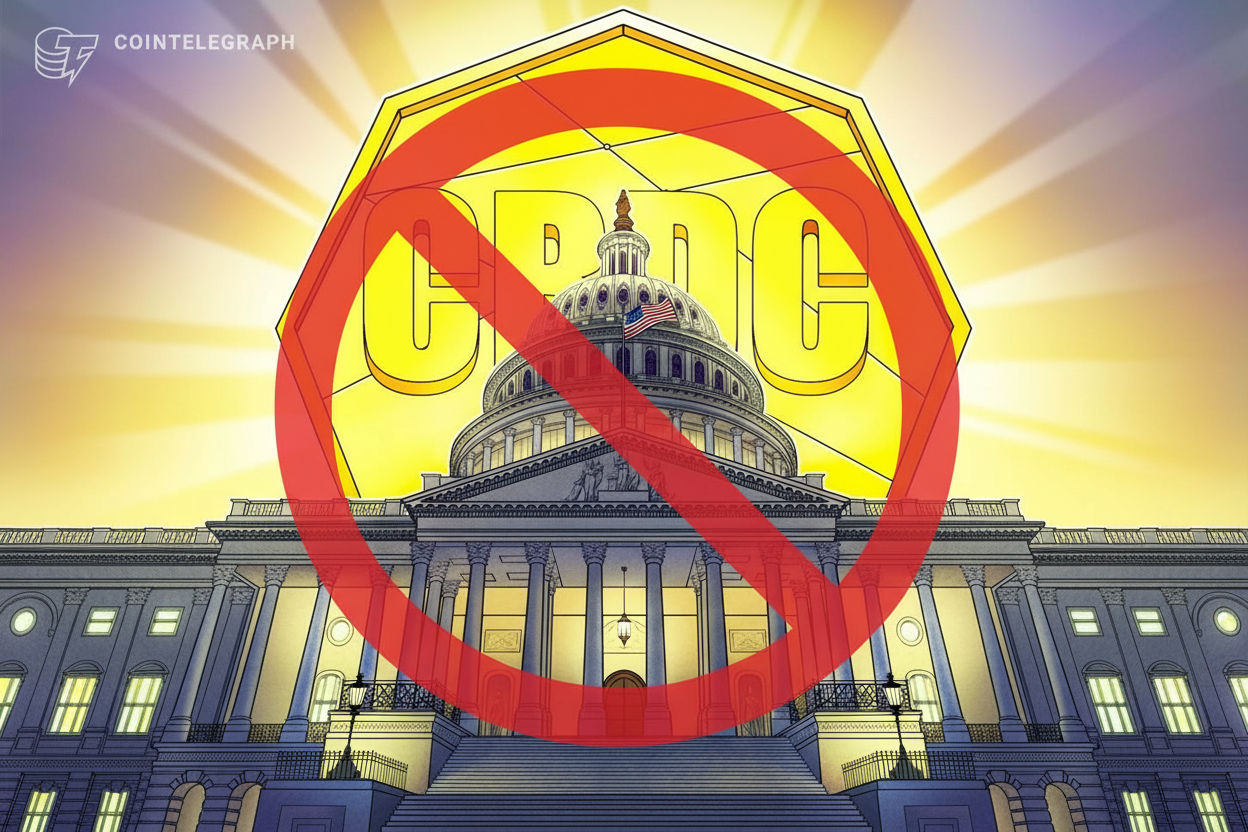
The United States is officially banning the creation of a retail Central Bank Digital Currency (CBDC) until 2031 as the 21st Century ROAD to Housing Act becomes law without a formal signature.
A federal ban on a U.S. Central Bank Digital Currency (CBDC) will take effect this Saturday without Donald Trump's signature on a housing bill, effectively halting government digital dollar plans until 2031.
For investors across the United States, this marks a historic turning point in how our government views money. By allowing this legislation to pass, the administration is effectively shutting the door on a government-issued digital dollar. This decision ensures that for at least the next six years, the Federal Reserve cannot track your coffee purchases or monthly rent through a centralized ledger.
The Road to a Federal CBDC Ban
The ban is tucked inside a larger piece of legislation known as the 21st Century ROAD to Housing Act. This bill reached the President's desk with a specific provision: the government cannot issue a retail CBDC (a digital form of money issued directly by the central bank to the public) without explicit Congressional approval.
Donald Trump confirmed via social media that he would not sign the bill, but he also did not veto it. Under U.S. law, if a President does not sign a bill within ten days (excluding Sundays) while Congress is in session, it automatically becomes law. This sets the US CBDC ban to take effect this coming Saturday.
Why Financial Privacy is the Main Driver
Critics of CBDCs often point to the potential for "financial surveillance." Unlike Bitcoin or other decentralized assets, a CBDC would theoretically allow the government to monitor every transaction in real-time. This has been a major concern for privacy advocates and American investors alike.
- Data Privacy: Prevents the government from having a direct window into your personal bank account.
- Financial Freedom: Stops the potential for "programmable money" that could restrict what you buy.
- Economic Sovereignty: Keeps the traditional banking system as the primary layer for consumer funds.
How This Impacts the Crypto Market
This law is a significant win for private cryptocurrencies. When the government removes itself from the digital currency race, it leaves a vacuum that stablecoins (cryptocurrencies pegged to the value of the USD) and assets like Bitcoin are happy to fill. According to data from CoinGecko, the market capitalization of USD-backed stablecoins continues to grow as they become the de facto digital dollar for global trade.
Without a government competitor, private companies like Circle (USDC) and Tether (USDT) will likely maintain their dominance. Many analysts believe this legal move validates the need for private-sector innovation rather than state-run digital platforms.
"A CBDC would allow the government to see every single transaction you make, a level of surveillance that is antithetical to American values of privacy and liberty."
What This Means for USA Investors
For the average American, the immediate impact is a feeling of stability regarding the current banking system. You do not have to worry about the IRS (Internal Revenue Service) or the Treasury suddenly migrating your USD into a mandated digital wallet. Here is a breakdown of the local landscape:
- Exchange Access: Major US exchanges like Coinbase and Kraken are likely to see more traffic as users opt for private digital assets over government alternatives.
- Tax Reporting: This ban does not change your tax obligations; you are still required to report all crypto gains to the IRS.
- Regulatory Clarity: The SEC and CFTC will likely focus more on regulating private stablecoins now that a federal competitor is off the table.
The ban lasts until December 31, 2030. This gives the crypto industry nearly a decade to mature without the looming threat of a state-sanctioned digital competitor devaluing or replacing private assets.
Looking Toward 2031 and Beyond
While the ban is firm for the next several years, it doesn't mean the conversation is over. The Federal Reserve may still research Wholesale CBDCs (digital money used only between banks), which are not covered by this specific retail ban. However, for the everyday investor, the message is clear: the digital dollar is dead for now, and private crypto is the only game in town.
Investors should continue to monitor US exchange availability and state-level regulations, as some states may attempt to launch their own digital payment frameworks. For now, the US dollar remains purely physical and electronic through private banks, keeping the "crypto" in cryptocurrency strictly in the hands of the people.
Key Takeaways
- Prohibits the Federal Reserve from issuing a retail digital dollar to citizens until the end of 2030.
- Allows the 21st Century ROAD to Housing Act to become law automatically without a formal signing.
- Protects individual financial privacy by preventing government-tracked digital transactions.
- Signals a major shift in U.S. monetary policy toward favoring private crypto assets like Bitcoin.
- Reinforces the current administration's stance against government-controlled digital ledger systems.