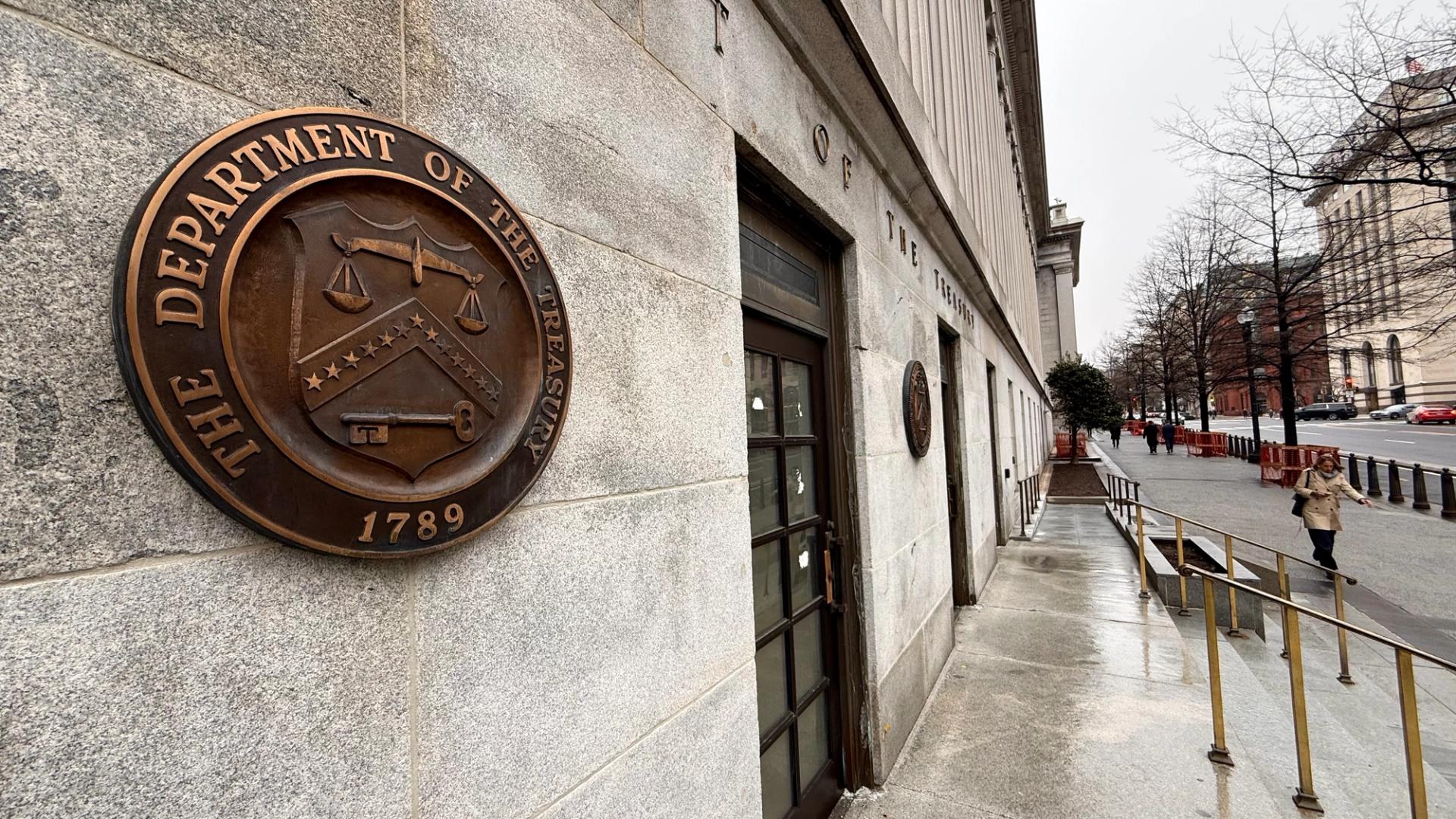
The United States and the United Kingdom have officially launched a joint regulatory roadmap designed to align the rules governing tokenized finance across the world's two largest financial markets.
The United States and United Kingdom have established a joint regulatory roadmap to synchronize rules for tokenized finance, aiming to bridge the world's two largest financial hubs.
Government officials from Washington, D.C., and London met this week to finalize a partnership that could redefine how digital assets move across the Atlantic. For American investors, this move signals a major shift toward institutional stability. By harmonizing standards for tokenization—the process of converting rights to an asset into a digital token on a blockchain—the two nations hope to eliminate the "regulatory patchwork" that has historically hindered global liquidity.
Connecting Wall Street and London via Blockchain
The core of this agreement focuses on tokenized finance (the representation of traditional assets like bonds or real estate on a ledger). By creating a shared playbook, the US and UK aim to make it easier for banks and retail platforms to trade these assets without clashing with conflicting international laws.
This initiative isn't just about bureaucracy; it is about building the infrastructure for the future of money. Historically, moving assets between New York and London involved multiple intermediaries and several days for settlement. Blockchain technology promises to settle these trades in seconds, but only if both sides of the ocean agree on the legal definitions of the tokens involved.
Focus on Real-World Assets (RWA)
The roadmap places a heavy emphasis on Real-World Assets or RWAs (physical assets like property, gold, or debt that are brought onto the blockchain). Institutional investors have long been wary of RWAs because of the legal ambiguity surrounding digital ownership in different countries.
Under the new roadmap, the US and UK will work to ensure that a tokenized bond issued in London is recognized and enforceable within the American legal system. Data from CoinGecko shows that the RWA sector is one of the fastest-growing categories in crypto, as investors look for more than just speculative meme coins.
"Regulatory alignment between the US and UK represents the 'Gold Standard' for international finance, potentially unlocking trillions in institutional capital for the digital asset ecosystem."
Removing Friction for US Crypto Firms
For American FinTech (financial technology) companies, this alignment removes a significant barrier to expansion. Currently, a US company operating on Ethereum (the most popular blockchain for smart contracts) or a private ledger must undergo separate, often contradictory, audits in the UK.
A unified framework allows for "regulatory passporting" in spirit, where compliance in one jurisdiction makes it significantly easier to satisfy the requirements of the other. This encourages innovation by allowing developers to build apps that work globally from day one.
- Unified Standards: Shared definitions for what constitutes a security versus a utility token.
- Anti-Money Laundering (AML): Coordinated reporting requirements for large cross-border transfers.
- Smart Contract Audits: Joint expectations for the security of the underlying code.
What This Means for USA Investors
If you are an investor using platforms like Coinbase, Kraken, or Gemini, this news provides a layer of long-term security. The SEC (Securities and Exchange Commission) and the CFTC (Commodity Futures Trading Commission) are expected to lean on this roadmap to refine their own domestic policies.
- IRS Implications: While this roadmap addresses market structure, it may also lead to more streamlined IRS (Internal Revenue Service) reporting for international digital asset holdings.
- USD Stability: The focus remains on USD-pegged stablecoins (digital assets designed to stay at a $1 value) as the primary medium of exchange for these tokenized assets.
- Exchange Access: As rules align, expect US-based exchanges to offer more tokenized products, such as tokenized T-bills or real estate funds, that were previously restricted to offshore markets.
The Road Ahead for Digital Markets
While the roadmap is now in place, the actual implementation of these rules will take time. Investors should watch for upcoming technical standards. These will determine how specifically private keys (the digital passwords that control your crypto) and custody (the storage and protection of assets) are handled by traditional banks.
Ultimately, this US-UK partnership is a vote of confidence in blockchain. It suggests that the future of the global financial system is on-chain, and the world's most powerful economies are making sure they are the ones writing the rules of the game.
Key Takeaways
- Synchronize cross-border standards for tokenized real-world assets (RWAs) to reduce market friction.
- Strengthen bilateral ties between the US Treasury and UK Finance Ministry regarding digital ledger tech.
- Streamline institutional entry into crypto by clarifying multi-jurisdictional compliance requirements.
- Foster a unified framework that may influence global standards for blockchain-based securities.