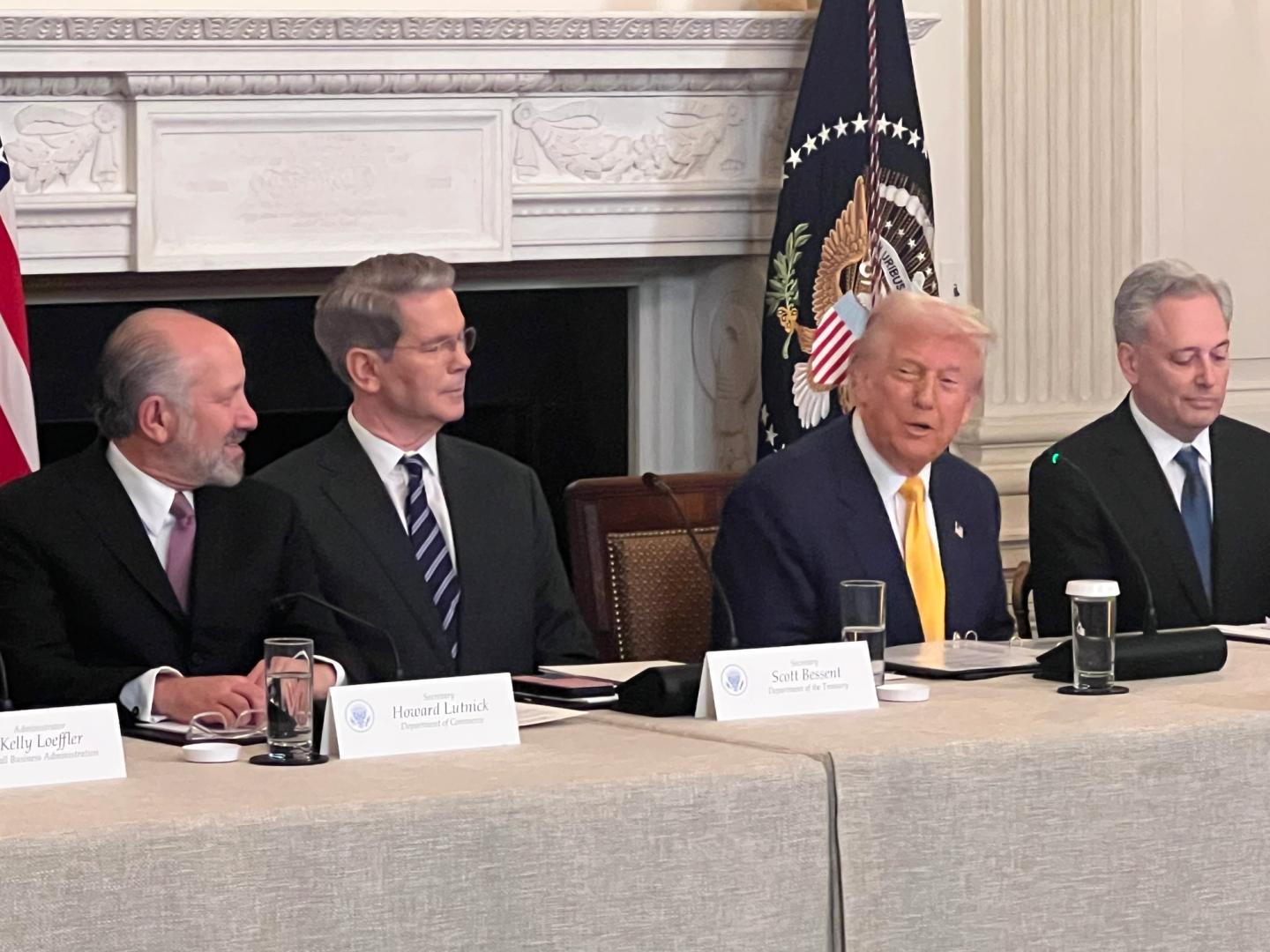
President Trump is scheduled to convene a high-level meeting with U.S. Senators to hammer out a compromise on ethics provisions that are currently delaying the passage of a landmark crypto market structure bill.
President Trump is finalizing a meeting with key U.S. Senators to resolve ethical roadblocks in the Clarity Act, the nation’s flagship crypto market structure bill.
This week, the White House signaled a direct intervention in the final stages of the legislative process for the Clarity Act. As the Senate runway shortens before the upcoming recess, the administration is moving to ensure that market structure reform (the rules for how crypto exchanges and brokers must operate) doesn't fail due to internal ethical disputes. For American investors, this meeting represents the most significant push toward regulatory certainty in the history of the digital asset industry.
The Ethical Stumbling Block in the Clarity Act
The primary point of contention involves the "ethics section" of the proposed bill. Lawmakers are debating how to handle conflicts of interest among federal regulators and employees who may hold personal investments in digital assets. While the bill aims to create a safe environment for retail traders, critics argue that the current language doesn't do enough to prevent government officials from benefiting from price swings caused by their own policy decisions.
To move the bill forward, the President and Senators must agree on strict divestment rules or disclosure requirements. This is critical because the bill intends to transfer significant power to the Commodity Futures Trading Commission (CFTC), which governs commodities like gold and oil, away from the Securities and Exchange Commission (SEC). Investors often track prices on CoinGecko to gauge how these regulatory shifts impact market volatility in real-time.
Why This Matters for Your Crypto Wallet
If the meeting is successful and the bill passes, it would provide a "Seal of Approval" for the industry. Currently, many U.S. banks are hesitant to work with crypto firms due to a lack of clear laws. This bill aims to bridge that gap by defining exactly what makes a token a security (an investment in a company) versus a commodity (a basic good like wheat or gold).
- Safer Exchanges: New standards for how platforms like Coinbase and Kraken protect customer funds.
- Clearer Tax Rules: Better definitions to help the IRS distinguish between different types of crypto transactions.
- Institutional Growth: High-net-worth investors may finally enter the market once the "rules of the road" are signed into law.
"The absence of a clear federal framework has left American investors in a legal gray area for too long; this meeting is the final sprint toward a regulated digital economy."
What This Means for USA Investors
For the average American holding Bitcoin or Ethereum, the Clarity Act is the most important piece of legislation to watch. From a tax perspective, the bill could simplify how you report gains to the IRS by forcing exchanges to provide more standardized 1099-B forms. It also addresses the availability of assets on US-based exchanges. Currently, many "altcoins" are not listed on US platforms due to fear of SEC lawsuits. This bill could change that by creating a clear registration pathway.
- SEC vs. CFTC: The bill likely gives the CFTC more power over "digital commodities," which is generally seen as a win for the crypto industry.
- Consumer Protection: Strict rules on stablecoins (cryptocurrencies pegged to the US Dollar) will ensure they are actually backed by cash reserves.
- US Exchange Dominance: Clearer laws may help US exchanges regain market share from offshore, unregulated platforms.
The Road Ahead: What Happens Next?
The meeting is expected to take place behind closed doors at the White House. Following the discussion, we expect to see a revised version of the Clarity Act released to the public. If the ethics concerns are satisfied, a full Senate vote could happen before the end of the quarter. This would move the United States one step closer to having a comprehensive federal crypto policy, ending years of regulation by enforcement.
Key Terms Beginners Should Know
To understand this news, you should know that market structure refers to the organized system where assets are traded, such as the New York Stock Exchange but for crypto. A markup is when a committee meets to debate and amend the specific text of a bill. Understanding these terms helps you navigate the headlines as this bill moves through Washington D.C.
Key Takeaways
- Address unresolved ethics concerns that are currently stalling the Clarity Act's progress in the Senate.
- Streamline the path for federal regulatory clarity for retail and institutional crypto investors in the US.
- Resolve conflicts of interest regarding federal employees and their private cryptocurrency holdings.
- Establish a unified framework for how the SEC and CFTC split oversight of digital assets.
- Signal a proactive executive stance on making the United States the global hub for blockchain technology.