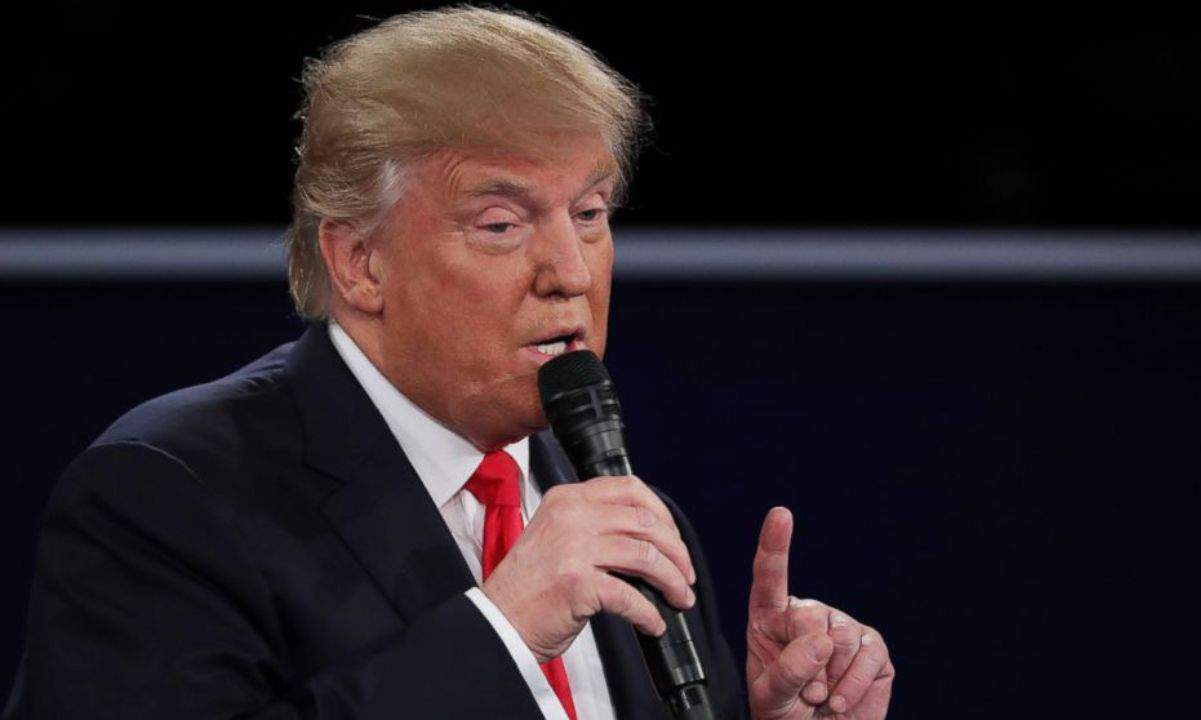
Donald Trump has defended his $1.2 billion in cryptocurrency-related earnings, asserting that the profits were entirely legal and above board despite rising scrutiny from critics.
Donald Trump has publicly defended his $1.2 billion in cryptocurrency earnings, maintaining that all transactions were legal amidst criticism over political influence and token ethics.
Following a series of financial disclosures in the United States, the former president addressed his substantial holdings and earnings from the digital asset space. This development comes as the 2024 presidential race heats up, highlighting the increasingly central role of blockchain technology (a digital ledger that records transactions across many computers) in American politics. For US investors, the sheer scale of these earnings signals a major shift in how the Republican frontrunner views the decentralized finance ecosystem.
The Source of Trump's Billion-Dollar Crypto Portfolio
The earnings in question stem from a variety of sources within the crypto world. Trump’s involvement has expanded past simple NFTs (non-fungible tokens, or unique digital collectibles) to more complex ventures. Observers note that his portfolio has benefited from licensing deals, appreciation of digital assets, and his direct participation in the DeFi (decentralized finance) sector. This growth illustrates how quickly wealth can scale within the US crypto markets compared to traditional finance.
Early reports suggest that a significant portion of the value came from tokens gifted to his wallet or earned through protocol participation. Many critics argue that the value of these altcoins (any cryptocurrency that is not Bitcoin) is driven by political proximity rather than the utility of the underlying software. Trump, however, remains adamant that his success is a result of market savvy and legitimate business activities within the growing digital economy.
Addressing the Critics and Legal Scrutiny
As the $1.2 billion figure became public, critics voiced concerns regarding potential conflicts of interest. Some suggest that investors might be buying Trump-linked tokens to gain political favor rather than evaluating them as sound financial assets. This has sparked a debate in Washington D.C. about whether new laws are needed to govern how political figures interact with smart contracts (self-executing contracts with the terms directly written into code).
"There is nothing illegal, there is nothing wrong with making money in a new and emerging industry that millions of Americans are now a part of," according to statements surrounding the defense of the earnings.
Trump’s defense hinges on the idea that crypto is a legitimate industry where profit-taking is a standard goal. Supporters argue that his involvement brings much-needed attention to the sector, potentially leading to more favorable regulatory clarity (clearer rules from the government) for everyday US residents. However, the optics of such massive gains remain a talking point for his political opponents.
Understanding the Role of World Liberty Financial
Central to Trump's recent crypto push is World Liberty Financial, a project aimed at promoting the use of stablecoins and decentralized lending. By positioning himself as a "crypto president," Trump is leaning into the Investopedia DeFi explainer concepts to attract a younger, tech-savvy voter base. These investors often feel sidelined by the current banking system and view crypto as a tool for financial independence.
- NFT Licensing: Earnings from digital trading cards featuring Trump's likeness.
- Token Appreciation: Increases in the market price of held assets like Ethereum and various meme coins.
- Promotional Deals: Payments received for endorsing specific blockchain protocols.
- DeFi Participation: Potential yields from providing liquidity to decentralized exchanges.
What This Means for USA Investors
For the average investor in the United States, Trump’s $1.2 billion disclosure carries several implications. First, it reinforces the necessity of IRS compliance. The IRS treats cryptocurrency as property, meaning every trade or sale is a taxable event. US investors using platforms like Coinbase or Kraken must ensure they are tracking their cost basis to avoid penalties following similar high-profile disclosures.
Second, the SEC (Securities and Exchange Commission) and CFTC (Commodity Futures Trading Commission) are closely watching how public figures promote tokens. If you are investing in tokens associated with political figures, be aware of the volatility (rapid price changes) that can occur based on news cycles or election results. US-based exchanges are often quick to delist tokens that run afoul of federal security laws, which could impact your ability to sell.
- Report all gains: Use software to track every transaction for federal tax filings.
- Evaluate liquidity: Ensure the tokens you buy can be easily traded on US-regulated exchanges.
- Monitor policy: Follow how the 2024 election might change the leadership at the SEC.
The Future of Political Cryptocurrencies
The intersection of political fame and digital finance is likely to grow. As more politicians disclose their holdings, the cryptocurrency market may see increased institutional interest. US investors should remain cautious, however, as the value of these assets often relies on popularity rather than cash flow or tech innovation. Maintaining a diversified portfolio remains the best strategy for those navigating this high-stakes environment.
In conclusion, while Trump’s earnings are record-breaking, they reflect the broader trend of crypto mainstreaming in America. Whether you support the former president or not, his financial activities have forced digital assets into the center of the national economic conversation. As the regulatory framework evolves, staying informed on both policy and market trends is essential for success.
Key Takeaways
- Verify the legality of all high-volume crypto earnings through strict IRS compliance reporting.
- Understand the intersection of political influence and digital asset valuation in the US market.
- Monitor SEC and CFTC responses to celebrity-backed crypto ventures and public disclosures.
- Evaluate the risks of investing in tokens linked to high-profile political figures or movements.
- Assess how the 2024 election cycle could shift the regulatory landscape for American crypto holders.