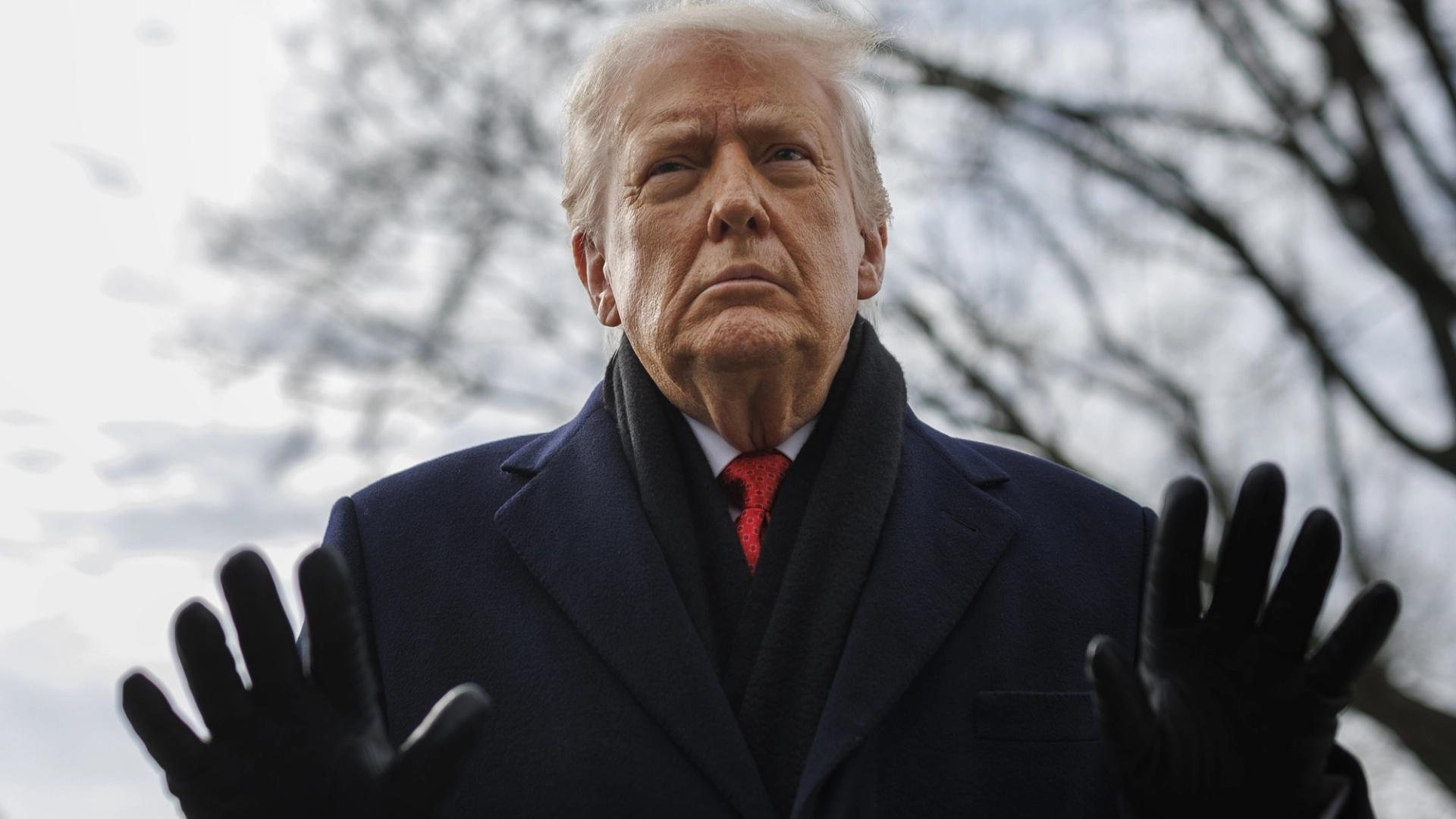
President Donald Trump has confirmed earning over $1.4 billion from cryptocurrency holdings in 2025, asserting that the windfall was entirely lawful despite mounting criticism over potential conflicts of interest.
President Donald Trump reported earning at least $1.4 billion from cryptocurrency in 2025, defending the windfall as legal amid claims of conflict of interest.
The President revealed these figures in a recent interview, clarifying that he was not fully aware of the massive scale of his digital asset portfolio. This disclosure comes at a pivotal moment as the administration actively shapes the future of the U.S. financial landscape. For American investors, this high-level involvement in the market signals a historic shift in how digital wealth is perceived at the highest levels of government.
The Scale of the $1.4 Billion Windfall
The reported $1.4 billion in income stems from various crypto-related sources, including capital gains (profits made from selling an asset for more than it cost). The President noted that the appreciation of his holdings occurred organically over time. He emphasized that he did not personally manage the daily trading of these assets.
During a televised appearance, he pushed back against critics, stating that he followed all standard disclosure protocols. The magnitude of this income is unprecedented for a sitting U.S. President, especially within the volatile cryptocurrency sector (digital money secured by cryptography). This has led many to question whether the administration's pro-crypto stance is fueled by personal gain.
"There is nothing wrong with being successful in a new and growing industry. Everything was done by the book, and we are focused on making America the world leader in digital finance."
Ethical Debates Around Crypto Policy
Ethics experts are raising concerns about the optics of a President profiting from an industry while his administration writes the rules. The SEC (Securities and Exchange Commission) and other regulators are currently drafting frameworks that directly impact the value of digital assets. Critics argue that these policies could inadvertently pump the value of the President's personal portfolio.
Supporters, however, argue that having a President who understands the market firsthand is beneficial. They suggest that personal skin in the game ensures the government takes the industry's growth seriously. Currently, there are no specific laws preventing a President from holding or profiting from digital assets, provided they are disclosed on annual financial reports.
Market Reaction and Data Transparency
The news of the President's windfall has led to increased interest in overall market valuations. According to data tracked by CoinGecko, the total crypto market cap remains a key indicator that retail investors watch to gauge the health of their own holdings. The President’s success mirrors a broader trend of significant ROI (Return on Investment) seen by early adopters.
To understand the scope of these earnings, it is helpful to look at the primary sources of modern crypto income:
- Staking Rewards: Earning passive income by locking up tokens to support a network.
- NFT Royalties: Payments received whenever a digital collectible is resold.
- Capital Appreciation: The simple increase in the market price of held Bitcoin or Altcoins.
What This Means for USA Investors
For the average American investor, the President’s disclosure highlights the critical importance of tax compliance. The IRS (Internal Revenue Service) treats cryptocurrency as property, meaning every sale or trade is a taxable event in U.S. dollars. The President's $1.4 billion report serves as a high-profile reminder that the government is watching crypto income closely.
US-based exchanges like Coinbase, Kraken, and Gemini are required to report certain user activities to the authorities. If you are investing in the U.S., you should follow these steps to ensure legal protection:
- Maintain detailed records of every purchase price in USD.
- Use crypto tax software to calculate gains and losses accurately.
- Consult with a CPA who understands the evolving SEC and CFTC (Commodity Futures Trading Commission) regulations.
The Future of Presidential Disclosures
This event may prompt Congress to introduce new legislation regarding digital asset holdings for federal officials. As crypto becomes more mainstream, the lines between personal investment and public policy continue to blur. For now, the administration remains committed to a "light-touch" regulatory approach aimed at fostering innovation within the United States.
Investors should expect continued volatility as the political discourse surrounding crypto intensifies. Whether this windfall leads to stricter ethics rules or a more supportive environment for digital assets remains the primary question for the 2026 election cycle and beyond.
Key Takeaways
- Confirm $1.4 billion in crypto-related earnings reported by the President for the 2025 fiscal year.
- Address ethical concerns regarding the President profiting from an industry his administration regulates.
- Maintain that the holdings were managed without his direct awareness of their exact scale.
- Highlight the legal defense that no existing U.S. laws were violated by these personal digital asset gains.
- Monitor how this disclosure impacts public perception of incoming crypto-friendly federal policies.