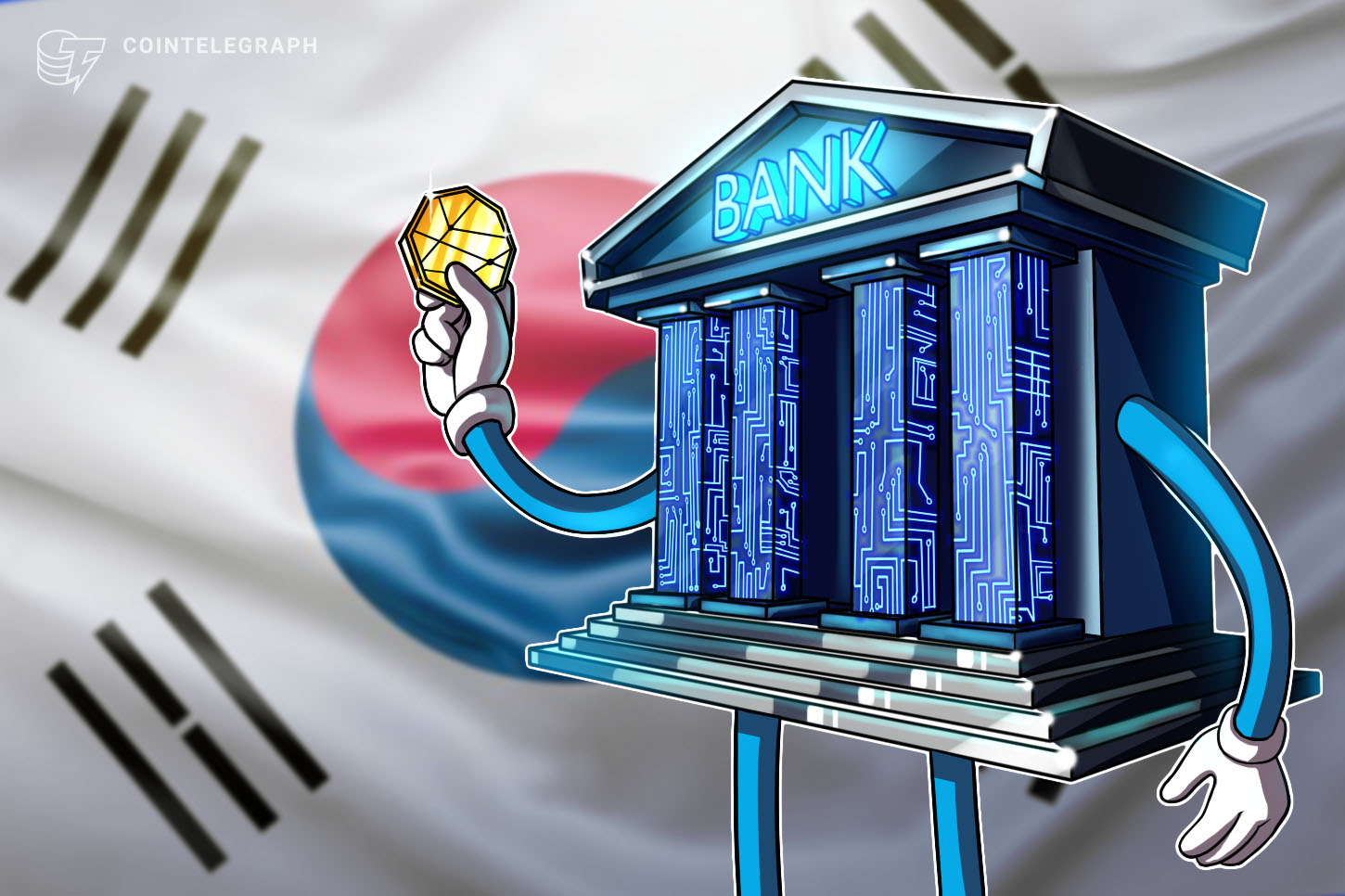
South Korea is positioning itself as a leader in financial innovation by testing tokenized government bonds on a blockchain-based unified ledger.
The Bank of Korea is moving to modernize its financial system by testing tokenized government bonds on a unified ledger to increase efficiency and lower costs.
During a recent European Central Bank forum, Bank of Korea Governor Rhee Chang-yong detailed a vision where government debt is issued as digital tokens. This shift aims to solve long-standing inefficiencies in traditional bond markets using distributed ledger technology (DLT).
For US investors, this move is a significant signal that Real World Asset (RWA) tokenization is moving from a niche crypto concept to a core strategy for global central banks. As the U.S. Federal Reserve explores similar technology, Korea's pilot serves as a real-world test case for how digital assets interact with national infrastructure.
Understanding Tokenized Bonds and Unified Ledgers
Tokenization is the process of converting a physical or traditional asset into a digital "token" on a blockchain. In this case, a government bond represents a debt obligation that can be traded and tracked with near-instant speed.
The unified ledger concept is central to this vision. Instead of having separate systems for banks, the central bank, and retail investors, a unified ledger acts as a single, shared source of truth. This allows for "delivery-versus-payment," where the bond and the money (in the form of digital currency) swap hands simultaneously.
"Tokenization can significantly reduce the costs and time associated with issuing and managing government debt, while increasing transparency for all participants."
Solving the Liquidity and Settlement Gap
Currently, settlement (the final exchange of assets for payment) in bond markets can take several days. By using a blockchain, the Bank of Korea aims to bring this down to seconds. This increases liquidity (the ease with which an asset can be turned into cash) across the entire financial system.
According to current market data on CoinGecko, the tokenized RWA sector is one of the fastest-growing categories in crypto. Central banks are taking notice because these systems offer better security than legacy databases.
- Reduced Intermediaries: Less reliance on traditional clearinghouses.
- Smart Contracts: Automated interest payments managed by code.
- 24/7 Markets: Bonds that can be traded outside of standard banking hours.
Technical Hurdles and Scalability
While the benefits are clear, the transition isn't without obstacles. Governor Rhee highlighted several technical "pain points" that the Bank of Korea must resolve before a full-scale rollout can occur.
- Gas Fees: Managing the costs of processing transactions on a network (gas fees) is a primary concern.
- Network Congestion: Ensuring the ledger can handle thousands of transactions per second without slowing down.
- Privacy: Balancing the transparency of a blockchain with the need for financial privacy.
The Role of CBDCs
A unified ledger works best when paired with a Central Bank Digital Currency (CBDC). This is a digital version of a nation's fiat money, like the South Korean Won, issued directly by the central bank. Without a CBDC, the settlement of tokenized bonds would still rely on old-school bank transfers, defeating the purpose of the tech.
What This Means for USA Investors
The South Korean experiment provides a roadmap for what to expect in the United States. While the SEC (Securities and Exchange Commission) has been strict on crypto, they generally view the tokenization of traditional securities as a promising efficiency play if regulated correctly.
US investors should watch for the following developments:
IRS Tax Treatment: Currently, the IRS treats most crypto as property. However, tokenized bonds may be taxed as traditional debt instruments, creating a unique intersection of tax laws. US Exchanges: Major platforms like Coinbase and Kraken are already building infrastructure to support tokenized assets, which could eventually include digital Treasury bills for retail investors.
Furthermore, as the USD remains the global reserve currency, any shift toward a unified ledger by major allies like South Korea puts pressure on the U.S. to modernize its own debt management systems to maintain the dollar's dominance.
Key Takeaways
- Simplify the issuance and management of government debt using blockchain technology.
- Utilize a unified ledger to settle transactions instantly without traditional banking delays.
- Address technical challenges like high gas fees and system scalability during the pilot phase.
- Highlight the growing global trend of Real World Asset (RWA) tokenization in central banking.