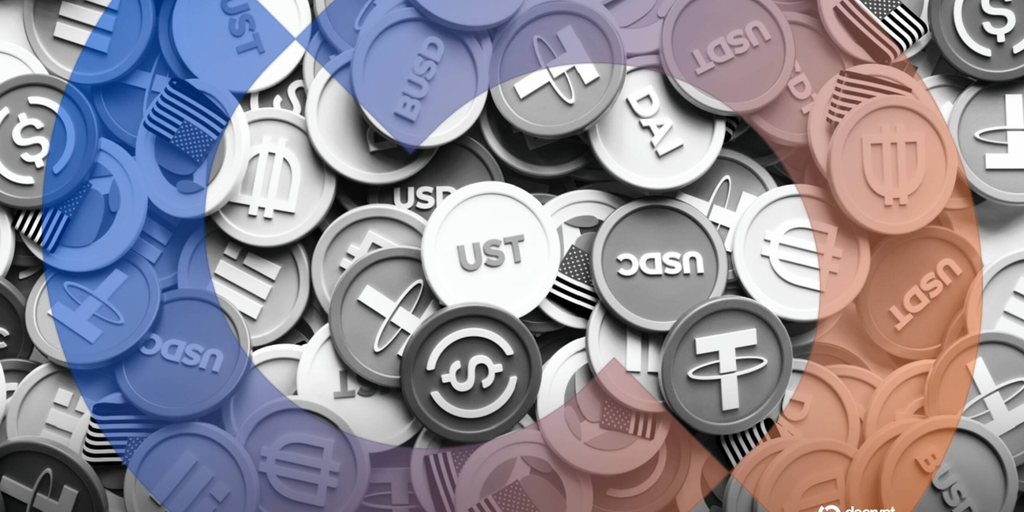
The Bank of Thailand (BoT) has officially flagged a surge in abnormal stablecoin transactions linked to the country’s 'grey economy,' signaling a major enforcement push against illicit digital asset usage.
Thailand's central bank has identified suspicious stablecoin trading patterns aimed at evading legal oversight and has referred these cases to the country's securities regulator for enforcement.
Central bankers in Thailand recently deployed advanced data analytics to uncover a series of suspicious transfers involving stablecoins (cryptocurrencies pegged 1:1 to a fallback asset like the U.S. Dollar). These findings suggest that certain entities are using digital tokens to move money while avoiding the strict reporting requirements of the traditional banking system. For U.S. investors, this crackdown is a stark reminder that the 'borderless' nature of crypto is increasingly being met with sophisticated government surveillance.
Detecting Abnormal Patterns in the Grey Economy
The term 'grey economy' refers to legal and illegal activities that operate outside of government oversight or taxation. The BoT noted that stablecoins have become a preferred tool for these operations due to their perceived stability and speed compared to bank wires. By analyzing blockchain data, the central bank identified wallet addresses performing high-frequency transactions that do not align with typical retail or institutional behavior.
These transactions were specifically designed to 'fly under the radar' of anti-money laundering (AML) protocols. However, the transparent nature of the blockchain has proven to be a double-edged sword for these actors. The BoT has now handed over its comprehensive data sets to the Thai Securities and Exchange Commission (SEC) to determine if criminal charges are warranted.
The Global Shift Toward Stablecoin Oversight
Thailand’s move is not an isolated incident; it mirrors a global trend where governments are prioritizing the regulation of stablecoins. Because these assets often track the value of the U.S. Dollar, they are frequently used in international trade and remittances (money sent as payment or a gift). This makes them a primary target for regulators who fear that unmonitored stablecoins could undermine monetary policy or facilitate financial crimes. While many people first learn about digital assets through an Investopedia NFT explainer, the reality of the market is that stablecoins like USDT and USDC handle the vast majority of transaction volume.
"The use of digital assets for bypassing existing financial regulations is a growing concern for central banks worldwide, necessitating more robust monitoring tools."
Key Features Flagged by Regulators
- High-frequency layering: Moving funds rapidly through multiple wallets to obscure the origin.
- Mismatched volume: Transaction amounts that exceed the reported income or business profile of the sender.
- Cross-border dodging: Using tokens to move value across lines without declaring the movement to customs or tax authorities.
The Role of Data Analytics in Crypto Enforcement
Thailand is utilizing sophisticated forensic tools to de-anonymize transactions. This high-tech approach allows the BoT to link digital wallets to real-world identities, even when the users attempt to use decentralized exchanges (DEXs) or offshore platforms. The era of 'anonymous' digital cash is rapidly ending as central banks share data with law enforcement agencies and international partners like the Financial Action Task Force (FATF).
- Data Collection: Monitoring public ledgers for large or suspicious movements.
- Analysis: Using AI to map out 'clusters' of related wallets.
- Referral: Handing evidence to securities regulators or criminal investigators.
- Policy Change: Implementing new rules to block non-compliant service providers.
What This Means for USA Investors
American investors should pay close attention to Thailand’s actions because the U.S. Treasury and SEC often coordinate with international counterparts on stablecoin policy. If you use U.S.-based exchanges like Coinbase, Kraken, or Gemini, your transactions are already subject to strict 'Know Your Customer' (KYC) rules. However, the Thai crackdown suggests that global regulators may soon move to restrict the use of self-custody wallets for cross-border payments if they cannot be tracked.
From a tax perspective, the IRS treats every crypto-to-crypto trade as a taxable event. If world governments continue to flag 'grey market' trades, it could lead to stricter reporting requirements for Americans holding assets on foreign exchanges. Furthermore, any instability caused by regulatory crackdowns in Asia can lead to volatility in the USD price of major tokens. Monitoring these international shifts is essential for anyone maintaining a diversified digital asset portfolio.
Future Implications for the Digital Asset Market
As Thailand tightens its grip, other Southeast Asian nations are expected to follow suit. This could squeeze the liquidity of certain stablecoins if they are delisted from regional platforms. For the long-term health of the industry, many experts argue that this 'cleaning up' of the grey economy is necessary to attract institutional capital that requires 100% compliance. USA investors should ensure their holdings are on reputable platforms to avoid being caught in the crossfire of international regulatory sweeps.
Key Takeaways
- Identify abnormal stablecoin transfers used to bypass traditional financial monitoring systems.
- Report findings to the Securities and Exchange Commission (SEC) for potential legal action.
- Monitor 'grey economy' activities that utilize digital assets for illicit cross-border payments.
- Signal a broader global trend of central banks tightening the leash on non-compliant crypto flows.
- Highlight the increasing use of data analytics by governments to track blockchain transactions.