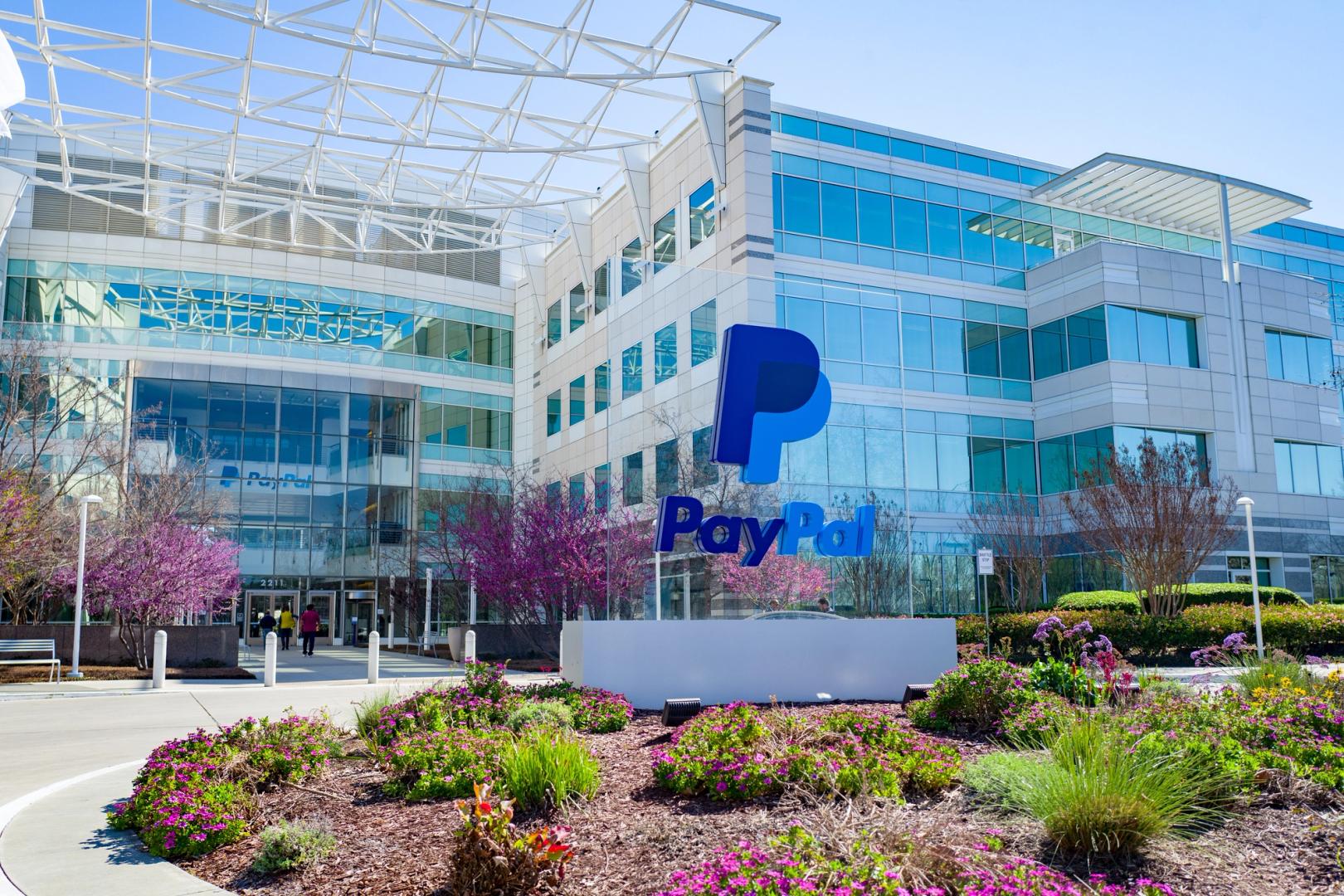
The proposed $53 billion acquisition of PayPal by Stripe aims to create a unified digital payment powerhouse capable of bridging traditional finance with blockchain-based stablecoin technology.
Stripe has launched a $53 billion bid to acquire PayPal, aiming to consolidate the market and dominate the future of stablecoin-powered digital infrastructure.
Payments titan Stripe has shocked the financial world with an aggressive bid for PayPal, its long-time rival in the online processing space. For USA-based investors and tech users, this move represents more than just corporate consolidation; it is a strategic play to own the entire pipeline of how money moves in the digital age. By merging these two giants, Stripe could potentially control the most significant share of merchant processing (the technology that lets businesses accept credit cards) and consumer digital wallets in the country.
A Shift Toward Stablecoin Infrastructure
While the merger involves massive amounts of traditional US dollars, the real prize lies in stablecoins (digital assets designed to stay at a fixed price, usually $1.00). Stripe has recently ramped up its support for crypto, and PayPal has already launched its own dollar-pegged asset, PYUSD. A combined entity would likely use these tools to settle transactions instantly, bypassing the slow and expensive legacy banking rails that take days to clear.
By integrating blockchain (the decentralized digital ledger technology) directly into the checkout flow, the new firm could reduce fees for millions of small businesses. According to data from CoinGecko, the market cap for stablecoins continues to be a dominant force in the crypto ecosystem. Stripe likely views PayPal's existing crypto licenses and infrastructure as a shortcut to becoming the world's largest crypto-native payment processor.
The Consumer Wallet War
For years, PayPal has dominated the consumer side of the equation with its ubiquitous login for one-click purchases. Stripe, meanwhile, has been the invisible engine powering the back-ends of companies like Amazon and Shopify. This merger would unite the "invisible" infrastructure with the "visible" digital wallet (an app that stores payment info and digital assets), creating a closed-loop system that rivals traditional banks.
Imagine a scenario where your refund for an online purchase is issued instantly as a stablecoin to your wallet, rather than waiting five business days for a bank transfer. This is the user experience (UX) Stripe is betting on. If they successfully integrate PayPal's nearly 400 million active accounts, they will possess the largest pool of consumer financial data in the private sector.
"This acquisition isn't just about processing fees; it’s about who controls the digital identity and the movement of programmable money for the next decade."
Regulatory Hurdles in the United States
A deal of this magnitude will certainly face intense scrutiny from the Department of Justice (DOJ) and the Federal Trade Commission (FTC). Regulators are often wary of mergers that might limit competition or lead to higher prices for consumers. In the USA, antitrust laws are designed to prevent one or two companies from controlling an entire industry.
The Securities and Exchange Commission (SEC) will also likely take an interest, specifically regarding how the company handles stablecoins and crypto custody. Because PayPal is a major player in the US market, any change in ownership requires a complex web of state-by-state money transmitter licenses (legal permissions to move money for others). This process could take months or even years to fully resolve.
What This Means for USA Investors
American investors should closely monitor how this deal affects market liquidity (how easily an asset can be bought or sold without affecting its price). Currently, PayPal is a publicly traded company on the NASDAQ, while Stripe remains a private firm. A merger would likely be the precursor to a massive Initial Public Offering (when a private company first sells stock to the public), potentially one of the largest in American history.
- Tax Implications: The IRS treats crypto transactions as property, meaning any stablecoin use within the new platform must be tracked for capital gains or losses.
- Exchange Availability: Users of Coinbase and Kraken may see tighter integrations with Stripe/PayPal for moving USD into the crypto market.
- USD Context: As the dollar remains the world's reserve currency, a Stripe-controlled PYUSD stablecoin could strengthen the dollar's dominance in digital trade.
- Monitor the official SEC filings for merger approval timelines.
- Check your PayPal user agreement for updates on automated stablecoin conversions.
- Watch for new merchant tools appearing on Shopify or Amazon checkouts.
The Road Ahead for Digital Finance
If the deal succeeds, it marks the end of the "early era" of fintech and the beginning of the integrated crypto-fiat age. Stripe’s move is a clear signal that they believe the current banking system is no longer sufficient for global commerce. By acquiring PayPal, they are buying a seat at the head of the table for the future of the Internet of Value.
Retail investors should be cautious, however. While the merger promises efficiency, it also concentrates a massive amount of power. Whether this leads to lower fees for the average American or simply a new monopoly remains to be seen. Keep a close eye on regulatory announcements throughout the coming fiscal quarters.
Key Takeaways
- Monitor Stripe's expansion into stablecoin settlement and issuance through this acquisition.
- Evaluate the impact on consumer digital wallets and peer-to-peer payment competition.
- Watch for SEC and DOJ antitrust scrutiny regarding payment processing monopolies.
- Analyze the potential for unified crypto-to-fiat bridges for American merchants.
- Track the integration of PayPal's PYUSD stablecoin into Stripe's global network.