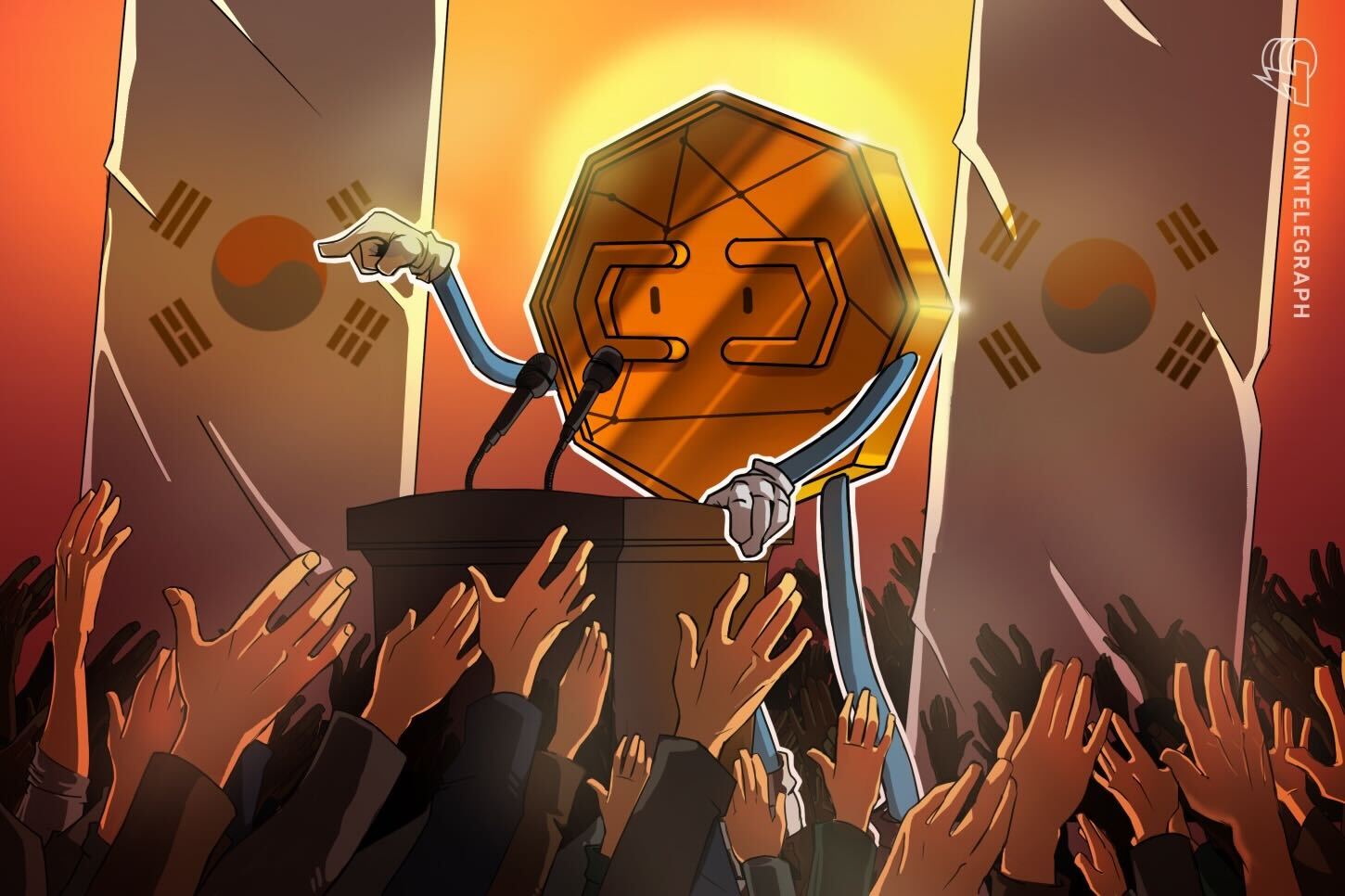
South Korea's Ministry of Economy and Finance is officially integrating digital assets and intellectual property into the nation’s state-asset management system to enhance administrative efficiency and transparency.
South Korea is incorporating digital assets and intellectual property into its national state-asset management framework to modernize government oversight and increase transparency for blockchain-based holdings.
Following a recent announcement from Seoul, the South Korean government is taking a massive leap toward treating cryptocurrencies and digital rights as legitimate national resources. This policy shift aims to provide a clear legal framework for how the state handles seized, managed, or utilized digital holdings.
For US investors, this development is a significant signal that leading global economies are moving past the "wild west" phase of crypto. As South Korea—a top-five global crypto market—formalizes these rules, it creates a ripple effect that often influences policy discussions at the SEC (Securities and Exchange Commission) and the CFTC (Commodity Futures Trading Commission) in Washington, D.C.
A New Era for State Asset Management
The core of this initiative involves updating the existing State Property Act to include categories for digital assets (virtual currencies like Bitcoin) and intellectual property (legal rights to creations of the mind). By doing so, the South Korean government is essentially saying that code is just as valuable as physical real estate or gold reserves.
This move is designed to streamline how the government tracks assets, particularly concerning assets acquired through legal settlements or those held by state-run institutions. For the average investor, this suggests that the era of "invisible" digital holdings is coming to an end in major financial hubs.
The Role of Intellectual Property and NFTs
Interestingly, the framework does not stop at tokens. It specifically targets intellectual property (IP), which includes copyrights and patents. This is highly relevant to the NFT (non-fungible token) market, where digital ownership and IP rights often overlap.
By bringing IP into the state management fold, South Korea is preparing for a future where national assets might include tokenized patents or government-held media rights. According to data tracked by CoinGecko, the valuation of such digital assets can fluctuate wildly, making a state-level management system essential for financial stability.
"The inclusion of digital assets into state frameworks marks the transition of crypto from a speculative hobby to a foundational component of national wealth management."
Standardizing International Crypto Oversight
South Korea’s move is part of a broader trend among G20 (an international forum for the governments from 19 countries and the EU) nations to create a cohesive rulebook for the digital economy. While the USA currently relies on a patchwork of court cases and enforcement actions, South Korea is opting for proactive legislation.
- Harmonization: Creating rules that align with international standards.
- Transparency: Ensuring the public knows exactly what digital assets the state holds.
- Security: Implementing institutional-grade custody for government tokens.
Why This Matters for Global Liquidity
When a major economy formalizes its crypto holdings, it often leads to increased liquidity (the ease with which an asset can be converted to cash). Institutional investors in New York and London look for these signs of stability before committing large amounts of capital to foreign markets.
What This Means for USA Investors
While this news originates in Seoul, the implications for American HODLers (people who hold crypto long-term) are quite direct. If you use US-based exchanges like Coinbase, Kraken, or Gemini, you should watch for how these rules affect international trade.
- SEC Posture: The US SEC often monitors foreign regulations to justify or refine its own domestic policies.
- Tax Treatment: As other nations define crypto as "state assets," the IRS (Internal Revenue Service) may feel pressured to simplify its own often-confusing tax codes for digital goods.
- Market Volatility: South Korea is a hub for retail trading; new state-level management could temporarily spike volatility in altcoins (any cryptocurrency that is not Bitcoin).
US investors should maintain clear records of their transactions. While South Korea moves toward a state system, the US continues to treat crypto primarily as property for tax purposes, meaning every trade is a potentially taxable event.
Preparing for a Tokenized Future
As we move further into 2024, the distinction between "digital" and "real" assets is blurring. South Korea’s decision to manage these assets through a formal state system is a vote of confidence in the long-term viability of blockchain technology. For the crypto-curious American, it’s another sign that the technology is here to stay, regardless of short-term price swings.
Key Takeaways
- Monitor how South Korea's move sets a precedent for G20 nations integrating crypto into national accounting.
- Recognize that state-level oversight often leads to increased institutional trust in digital markets.
- Anticipate potential shifts in global liquidity as South Korean markets become more strictly regulated.
- Understand the growing intersection between intellectual property rights and blockchain technology.
- Evaluate your portfolio balance as international regulation moves toward formal state recognition.