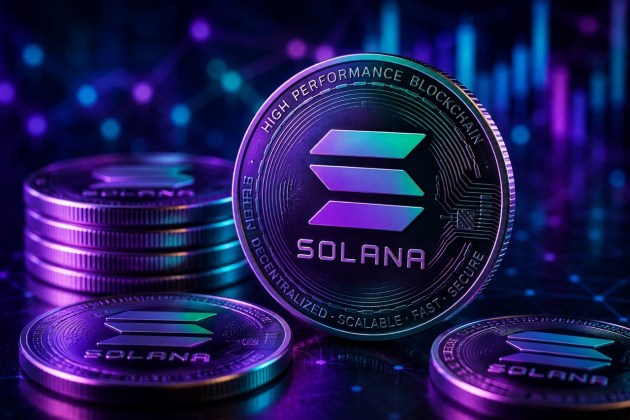
Solana is currently demonstrating significant price resilience by holding its major support levels despite a volatile environment where capital flows into rival Layer-1 networks remain inconsistent.
Solana is maintaining its critical support price levels even as capital flows into rival Layer-1 blockchains fluctuate due to broader macroeconomic uncertainty.
As the primary competitor to Ethereum, Solana (SOL) is facing a unique test of investor confidence this week. US-based traders are watching closely as the broader market reacts to shifting political narratives and macroeconomic data. This price stability is a critical indicator for those looking at the long-term viability of the network during periods of uneven market liquidity.
Understanding Solana Support in a Choppy Market
In technical analysis, support (a price level where a downtrend tends to pause due to a concentration of demand) is the line in the sand for bulls. Solana has successfully defended these zones even as investors rotate funds between different Layer-1 blockchains (base-level networks that settle transactions, like Solana or Cardano).
This holding pattern suggests that long-term believers are not yet ready to exit their positions. While some capital is flowing into newer ecosystems, the core liquidity within the Solana ecosystem remains robust. For those observing the CoinGecko top altcoins, SOL continues to command a top-five market capitalization, reflecting its status as a premier digital asset.
"The ability of an asset to hold support during uneven sector flows often precedes a period of outperformance once the broader market stabilizes."
The Impact of Political and Macro Factors
The current market environment is heavily influenced by the macroeconomic landscape (the broader economic conditions including inflation and interest rates). In the United States, upcoming political decisions and regulatory shifts have created a sense of hesitation among institutional players.
Investors are currently weighing several factors that influence Solana's price action:
- Federal Reserve Policy: Interest rate decisions directly impact high-risk assets like crypto.
- Regulatory Clarity: Statements regarding the security status of SOL affect exchange listings.
- Network Stability: Consistent uptime remains a primary concern for institutional adoption.
Tracking Layer-1 Capital Rotation
Capital in the crypto market is rarely static; it often moves in cycles. Currently, we are seeing uneven flows—meaning some days see massive inflows into Ethereum, while other days reflect a preference for faster, lower-fee networks like Solana.
- Exploration: Investors test smaller, high-yield networks for quick gains.
- Consolidation: Capital returns to established "blue-chip" altcoins like Solana during uncertainty.
- Validation: Price floors are established when selling pressure fails to break key support.
This cycle is essential for weeding out speculative froth and building a sustainable foundation for the next leg up in the market cycle.
What This Means for USA Investors
For American investors, Solana’s stability is particularly relevant given its high accessibility on platforms like Coinbase, Kraken, and Gemini. These US-regulated exchanges provide the primary gateway for retail and institutional capital into the SOL ecosystem.
Tax and Regulatory Considerations
From an IRS (Internal Revenue Service) perspective, any movement of Solana—whether selling it for USD or trading it for another coin—is a taxable event. US investors should maintain diligent records of these support-level entries to calculate their cost basis accurately.
SEC and Exchange Posture
The SEC (Securities and Exchange Commission) has previously scrutinized several altcoins, but Solana's decentralized growth remains a focal point of discussion. As long as SOL remains active on major US exchanges, liquidity for American traders remains high. The current price stability may offer a psychological "safety zone" for those dollar-cost averaging into their positions.
Looking Ahead: Is a Breakout Imminent?
While holding support is a positive sign, the bulls (investors expecting prices to rise) need to see an increase in daily active users and transaction volume to spark a true rally. On-chain data (record of transactions publicly available on the blockchain) shows that Solana's decentralized finance (DeFi) ecosystem is still attracting significant developer talent.
If Solana can maintain its current floor, the next target will be overcoming psychological resistance at round numbers. Investors should remain cautious, however, as volatility (rapid and unpredictable price changes) is a constant feature of the altcoin market. Monitoring both domestic US news and global crypto trends will be vital for the remainder of the quarter.
Key Takeaways
- Identify Solana's current resilience as a sign of strong institutional and retail buyer interest.
- Monitor shifting capital flows between competing networks like Ethereum and Avalanche.
- Evaluate the impact of US political developments on digital asset volatility.
- Prepare for potential price breakouts if SOL maintains its position above key psychological levels.
- Understand the risks associated with uneven liquidity in the current Altcoin market.