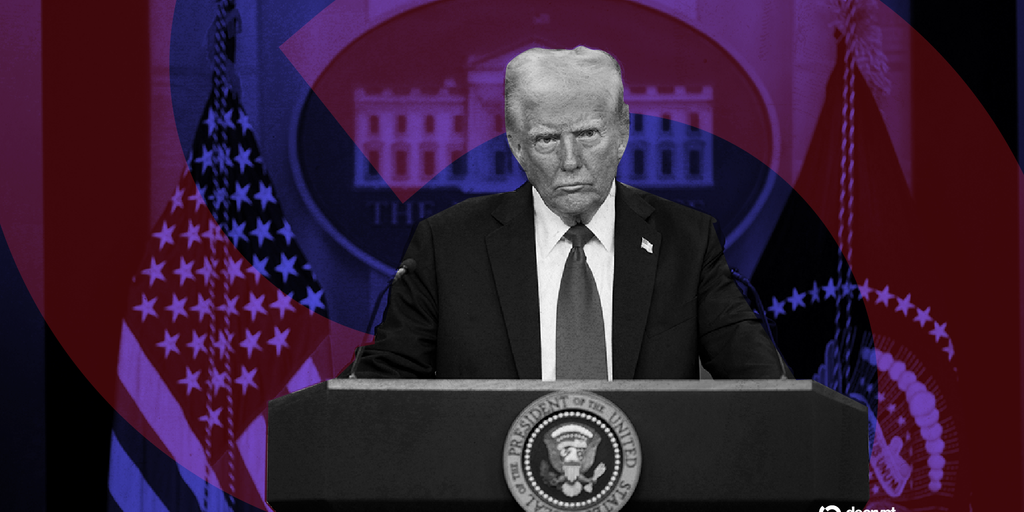
Democratic leaders in the U.S. Senate are formally calling for investigative hearings to examine the unprecedented $1.2 billion in cryptocurrency profits reported by Donald Trump.
Democratic Senators are seeking formal hearings to investigate the ethics and transparency surrounding Donald Trump's reported $1.2 billion in cryptocurrency earnings.
As the intersection of Washington politics and digital finance grows tighter, top Democrats on influential Senate committees are raising alarms. This week, lawmakers voiced concerns over the sheer scale of the former president’s earnings from the crypto sector. For American investors, this move signals a major shift in how the government views the fusion of political influence and private digital wealth.
The Scale of the Profits and the Call for Oversight
Financial disclosure documents recently revealed that Donald Trump earned a staggering $1.2 billion from various cryptocurrency-related ventures over the past year. This includes revenue from branded non-fungible tokens (NFTs)—unique digital certificates of ownership recorded on a blockchain—and direct holdings in various digital assets.
Senate Democrats argue that the public deserves to know if these profits were influenced by policy stances or promises made during the campaign. They are pushing for a transparent look at where this money originated and who the primary buyers were. Transparency is the central theme of this legislative push.
"The unprecedented nature of a major political figure holding such vast, volatile digital wealth requires a level of scrutiny we have never seen before in American history."
Understanding the NFT and DeFi Connection
Much of the reported profit stems from the sale of digital collectibles. If you are new to this space, this Investopedia NFT explainer provides a solid foundation for how these assets work. In Trump’s case, these were not just art pieces but digital keys to exclusive events and perks.
Beyond NFTs, the investigation may look into Decentralized Finance (DeFi) protocols. DeFi refers to financial services like lending or trading that operate without a central bank or traditional intermediary. Lawmakers want to ensure that these holdings do not create a conflict of interest when crafting national financial policy.
- Disclosure Accuracy: Ensuring every digital wallet was properly reported to federal ethics boards.
- Source of Funds: Identifying if foreign entities or lobbyists used crypto to gain political favor.
- Market Volatility: Discussing how a president's social media posts could move the price of their own holdings.
The Politicization of Crypto Regulation
This demand for hearings is part of a larger battle over who gets to regulate crypto in the United States. While the Securities and Exchange Commission (SEC) and the Commodity Futures Trading Commission (CFTC) fight for control, Congress remains divided on whether to encourage or stifle the industry.
By focusing on Trump’s profits, Democrats are framing the issue as one of ethics and national security. Conversely, Republican supporters often view these digital earnings as a sign of successful American entrepreneurship in a global digital economy. This divide often determines which crypto bills move forward in the Senate.
- The Senate Judiciary Committee reviews the legal ethics of the earnings.
- The Banking Committee assesses the systemic risk of crypto-tied political figures.
- A formal report is issued to recommend new disclosure laws for all federal candidates.
What This Means for USA Investors
For the average American holding crypto on Coinbase or Kraken, this political spotlight has immediate practical consequences. If the Senate moves toward stricter disclosure laws, these mandates could eventually trickle down to retail users. The IRS (Internal Revenue Service) already treats crypto as property for tax purposes, but new legislation could change how you report your capital gains.
Furthermore, the SEC's current posture may harden if they perceive the industry as a tool for political circumvention. US investors should watch for any state-level reactions, particularly in crypto-friendly states like Wyoming or Texas, which may push back against federal overreach in the digital asset space.
Key Considerations for Your Portfolio:
Prices in USD (U.S. Dollars) often react to political news. While the investigation focuses on one individual, the resulting headlines can create market-wide volatility. Using major US-regulated exchanges like Gemini can provide a layer of security through these periods of regulatory uncertainty.
The outcome of these hearings could ultimately define whether the US becomes a global hub for crypto or if it implements the most restrictive digital asset laws in the developed world. Staying informed is the best defense for any intermediate investor navigating these waters.
Key Takeaways
- Analyze the potential conflicts of interest arising from a president holding large amounts of digital assets.
- Investigate the specific origins of the $1.2 billion profit reported by internal financial disclosures.
- Assess whether current federal ethics laws adequately cover decentralized finance and NFT holdings.
- Evaluate the impact of high-profile political figures on the broader US crypto regulatory framework.