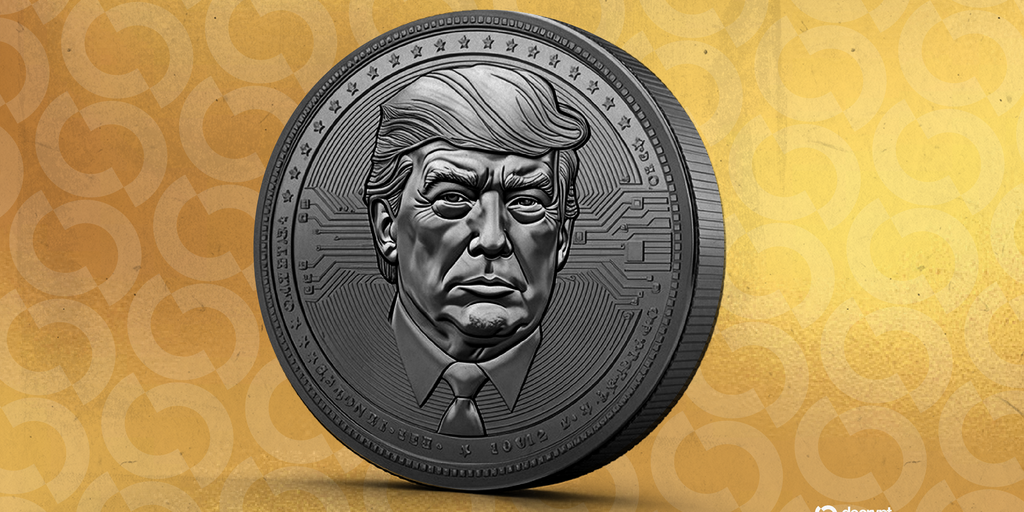
Senator Kirsten Gillibrand is spearheading an effort to legally ban U.S. presidents and other elected officials from launching or profiting from self-branded meme coins.
Senator Kirsten Gillibrand is proposing legislation to prevent U.S. elected officials from launching their own meme coins or cryptocurrencies to prevent conflicts of interest.
As the crypto market becomes more integrated with American politics, Senator Kirsten Gillibrand (D-NY) has raised the alarm regarding the ethical implications of elected officials issuing their own digital assets. This move comes immediately after former President Donald Trump disclosed over $1 billion in earnings linked to crypto-related ventures.
For American investors, this federal friction matters because it sets the stage for how the SEC (Securities and Exchange Commission) and Congress will treat tokens associated with political figures. If passed, the legislation could fundamentally change the meme coin (cryptocurrency based on internet jokes or themes) landscape in the United States.
The Rise of Politician-Branded Meme Coins
Meme coins have evolved from niche internet jokes into multi-billion dollar financial instruments. Unlike Bitcoin, which serves as a store of value, meme coins often lack underlying utility, relying entirely on social media hype and community sentiment.
When a high-ranking official or a presidential candidate launches a token, it creates a unique set of risks for the average retail investor. These assets can experience extreme volatility (large price swings) based solely on political headlines rather than economic data.
Senator Gillibrand argues that allowing politicians to issue these tokens creates a "get-rich-quick" environment that compromises the integrity of public office. The goal is to ensure that policymakers are focused on governance rather than inflating the price of their personal digital portfolios.
Ethical Gray Areas and Conflict of Interest
The primary concern cited by regulators is the potential for insider trading. If a politician knows a specific policy or tweet will move the market, they could theoretically profit by liquidating their holdings before the public catches on.
Current U.S. laws, such as the STOCK Act, already limit how members of Congress can trade traditional stocks. However, the decentralized nature of crypto creates loopholes that Gillibrand's proposal looks to close permanently.
Experts suggest that if a President can mint an asset out of thin air and sell it to the public, it blurs the line between public service and private enterprise. This is particularly relevant as non-fungible tokens (NFTs)—digital certificates of ownership—have also been used by political figures for fundraising and personal profit. To understand more about these assets, check out this Investopedia NFT explainer.
"Public service is a public trust. We must ensure that digital assets are not used as a vehicle for self-enrichment or to circumvent the ethical standards we expect of our nation's leaders."
What This Means for USA Investors
If you are a U.S. based investor using platforms like Coinbase, Kraken, or Gemini, this legislative push could impact which tokens are available for trade. Increased scrutiny often leads to exchanges delisting (removing) risky or "celebrity-backed" assets to avoid regulatory fines.
- IRS Tax Treatment: Any gains from meme coins are treated as capital gains, requiring strict reporting on Form 1040.
- SEC Oversight: The SEC may classify these specific politician-led coins as unregistered securities.
- Exchange Availability: U.S. exchanges are likely to stay away from any token currently being investigated by Congress.
Investors should also consider the USD price context. Political tokens often trade in pairs against stablecoins like USDC or directly against the Dollar. A sudden ban or negative headline from Washington can cause these assets to lose 90% of their value in minutes.
Potential Impact on the 2024 Election Cycle
Crypto has become a central theme in the current election cycle. With millions of Americans now owning digital assets, candidates are competing for the "crypto vote" by promising clearer rules and faster innovation.
However, the divide between consumer protection and financial freedom is growing wider. Gillibrand’s proposal highlights a specific tension: should crypto be a tool for economic growth, or is it becoming a tool for political influence?
- Step 1: Legislative drafting and committee review in the Senate.
- Step 2: Public debate regarding the definition of a "politician-backed" asset.
- Step 3: Potential integration into broader crypto-regulation frameworks like FIT21.
Regardless of the outcome, the debate itself signals that the "wild west" era of unregulated tokens in the U.S. is facing its most significant challenge yet from Capitol Hill. Investors should remain cautious of tokens that rely on a single person's reputation for their value.
Key Takeaways
- Prohibit elected officials from creating or promoting personal digital tokens for profit.
- Address ethical concerns following Donald Trump's disclosure of $1 billion in crypto holdings.
- Prevent market manipulation within the volatile meme coin sector by high-profile leaders.
- Increase transparency requirements for financial disclosures involving digital assets.
- Align crypto regulations with existing congressional ethics and insider trading laws.