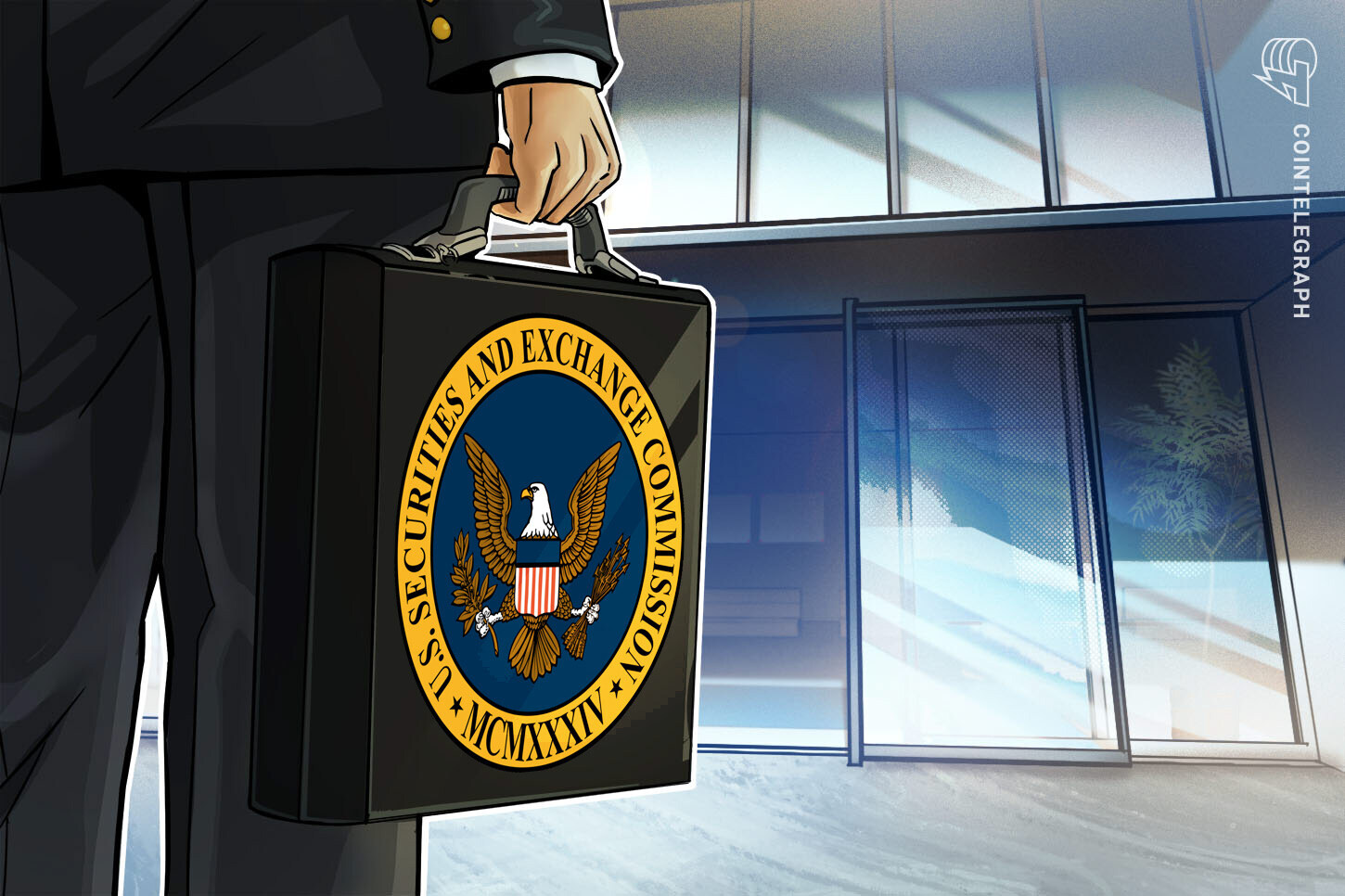
The SEC has secured a $5.4 million final judgment against the operators of NanoBit, a fraudulent cryptocurrency trading platform that defrauded American investors by misappropriating their capital.
The SEC successfully secured a $5.4 million judgment against the NanoBit crypto platform, which federal regulators proved was a fraudulent scheme designed to steal investor funds through a fake trading interface.
Federal regulators in the United States have reached a significant milestone in the fight against digital asset scams. On a recently concluded enforcement action, the Securities and Exchange Commission (SEC) proved that NanoBit operated as a fraudulent entity between 2023 and 2024. This case highlights the ongoing risks for US-based retail investors engaging with offshore or unverified trading platforms during the current market cycle.
The Architecture of the NanoBit Crypto Fraud
The SEC alleged that NanoBit was never a legitimate exchange but rather a sham platform designed to look like a high-tech trading interface. Investors were lured through social media groups and messaging apps, often being promised access to exclusive crypto initial coin offerings (the first public sale of a new digital token).
Once users deposited their money, the platform displayed fake account balances and fabricated trading profits. In reality, the funds were immediately funneled into private wallets controlled by the scheme's orchestrators. This type of fraud is often referred to as a "Pig Butchering" scam, where trust is built over time before the victim's capital is liquidated.
"The defendants misappropriated hundreds of thousands of dollars in investor funds for their own personal gain rather than executing the trades they promised to facilitate."
How the $5.4 Million Judgment is Structured
The final court order requires the defendants to pay a combination of disgorgement (giving back the stolen profits), interest, and civil penalties. This financial blow is intended to deter other bad actors from targeting US residents with similar schemes. The SEC's victory proves that even in the decentralized world of blockchain, centralized authorities can track and penalize fraudulent actors through on-chain forensics (the process of inspecting the public ledger of transactions).
While the judgment is a win for the law, recovering the actual cash can be a challenge. Investors often use tools like CoinGecko to verify the legitimacy of tokens and exchanges before participating in new projects. The SEC is now focused on identifying and freezing any remaining assets linked to the NanoBit wallets.
Common Red Flags for Crypto Investors
To avoid falling victim to similar schemes, intermediate investors should look for the following warning signs when evaluating a new platform:
- Guaranteed Returns: No legitimate crypto investment can provide 100% guaranteed monthly or weekly profits.
- Pressure to Recruit: Schemes often reward users for bringing in friends or family (Multi-Level Marketing structures).
- Difficulty Withdrawing: Legitimate exchanges do not require "taxes" or "fees" to be paid upfront before you can withdraw your own balance.
- Unregistered Status: If the platform isn't registered with the SEC or FinCEN, it lacks basic US consumer protections.
What This Means for USA Investors
For those living in the United States, the NanoBit case serves as a critical reminder of the regulatory posture held by the SEC. Unlike decentralized finance (DeFi—financial services on a blockchain without a middleman), centralized platforms like NanoBit are expected to follow strict disclosure rules. If a platform is not available on major US exchanges like Coinbase, Kraken, or Gemini, it may be operating outside of US legal jurisdiction.
Furthermore, US taxpayers should note that the IRS (Internal Revenue Service) views crypto fraud losses differently following the 2017 Tax Cuts and Jobs Act. Generally, personal casualty losses—including those from scams—are no longer deductible on federal tax returns unless they occur in a federally declared disaster area. This makes preventing fraud more important than ever, as you may not be able to offset your investment losses on your tax bill.
Steps to Take if You Are Scammed
If you suspect you have used a platform similar to NanoBit, prompt action is required to stand a chance at asset recovery:
- Stop All Communications: Do not send more money to "unlock" your account.
- Document Everything: Save screenshots of balance amounts, transaction hashes (unique IDs for blockchain transfers), and messages.
- Report to IC3: File a report with the FBI's Internet Crime Complaint Center.
- Contact the SEC: Use the online tips and complaints portal to help investigators build a case.
By staying informed and prioritizing security over "get-rich-quick" promises, American investors can navigate the digital asset space without falling prey to increasingly sophisticated fraudulent schemes.
Key Takeaways
- Identify red flags in non-regulated crypto exchanges that promise unrealistic returns.
- Verify SEC compliance before depositing USD into any new digital asset platform.
- Understand the legal repercussions for crypto founders who misappropriate user funds.
- Report suspicious activity to the SEC Whistleblower Office to help recover stolen assets.
- Utilize reputable exchanges like Coinbase or Kraken for safer asset management.