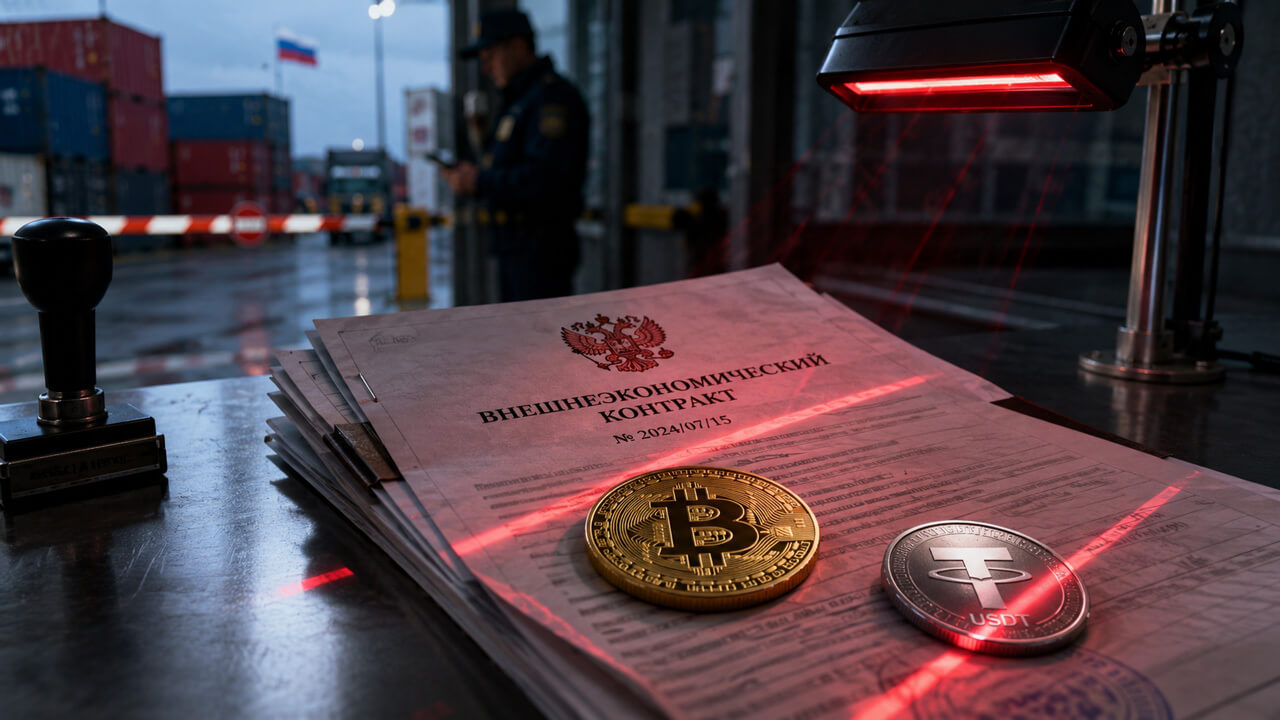
Russia has officially launched an Experimental Legal Regime (ELR) that allows domestic companies to use cryptocurrency for international trade, effectively creating a state-sanctioned loophole to bypass Western financial blocks.
Russia has legalized cryptocurrency for international trade under an Experimental Legal Regime (ELR) to bypass global sanctions, though strict barriers remain for converting these assets back into traditional fiat currencies.
The Russian government is pivoting toward Digital Assets (electronic tokens representing value) to maintain global commerce as traditional banking routes remain frozen due to international sanctions. For American investors, this move signals a major shift in how Bitcoin and Stablecoins (cryptocurrencies pegged to the value of a fiat currency like the US Dollar) are viewed on the global stage. While this helps Russia facilitate imports and exports, it also places a massive target on the back of any service provider found assisting these transactions.
Russia's Strategy for Circumventing Global Bans
The new legal framework allows the Russian central bank to oversee specific trials where large companies can settle invoices using digital currencies. This is a radical departure from Russia\'s previous stance, which often flirted with a total ban on crypto. By legalizing these payments for foreign trade, the Kremlin hopes to reduce its reliance on the SWIFT (Society for Worldwide Interbank Financial Telecommunication) network, which currently bars most Russian banks.
However, the transition is not as seamless as it sounds on paper. Even with legal permission, Russian firms must find foreign partners willing to accept the regulatory risk of dealing with sanctioned entities. Most global companies fear retaliatory actions from the US and the European Union, making these digital corridors high-risk zones for all parties involved.
The Bottleneck: Liquidity and the Cash-Out Problem
Even though trade is legal within Russia, the "ringfencing" of the global financial system remains a massive hurdle. Russian firms may be able to earn Bitcoin or Tether (a popular stablecoin), but converting that digital gold into usable cash—known as fiat currency—remains incredibly difficult. Most major international exchanges have blocked Russian IP addresses and restricted accounts linked to sanctioned banks.
"While a nation-state can legalize crypto internally, they cannot force the global financial infrastructure to accept those tokens without consequence, especially when the US Department of Treasury is watching."
According to data from CoinGecko, the market capitalization of digital assets is large enough to handle significant volume, but the specific corridors Russia needs are being monitored by AI-driven blockchain forensic tools. These tools allow regulators to track the flow of funds from Russian wallets to public exchanges in real-time, effectively creating a digital blockade.
How US Regulators Are Responding
The United States government is not sitting idly by as these trade corridors open. The Office of Foreign Assets Control (OFAC) has recently updated its guidance to clarify that crypto-service providers are subject to the same sanction requirements as traditional banks. This means any exchange that facilitates a transaction for a sanctioned Russian entity could face millions of dollars in fines or lose their license to operate in the US.
Current regulatory focuses include:
- Secondary Sanctions: Targeting non-US companies that help Russia move crypto assets.
- Stablecoin Issuers: Putting pressure on companies like Tether and Circle to blacklist specific wallet addresses.
- Miner Regulation: Monitoring the energy sources and hardware used by Russian crypto mining firms.
Impact on Global Crypto Adoption
Russia\'s move illustrates the "double-edged sword" nature of decentralized technology. On one hand, it proves that Bitcoin is a viable tool for censorship-resistant value transfer. On the other hand, it gives ammunition to critics who argue that crypto is primarily used for illicit activities. This geopolitical tug-of-war is likely to accelerate the development of CBDCs (Central Bank Digital Currencies), which are government-controlled versions of digital money.
- Step 1: Russia authorizes specific firms to begin crypto trade trials.
- Step 2: US and EU update blockchain monitoring lists with new Russian-linked addresses.
- Step 3: Global exchanges tighten KYC (Know Your Customer) requirements for all users.
What This Means for USA Investors
For US-based investors, this news has direct implications for your portfolio and how you use platforms like Coinbase, Kraken, and Gemini. First, the IRS (Internal Revenue Service) keeps a close watch on any transactions that might cross paths with sanctioned regions; ensure your tax records are impeccable if you use international decentralized exchanges.
Furthermore, the SEC (Securities and Exchange Commission) often uses geopolitical events to justify stricter oversight of US-based platforms. Expect more frequent updates to the "Terms of Service" on your favorite exchange as they comply with new OFAC rules. While this news may cause short-term price volatility based on fear or uncertainty, the long-term reality is that the US remains the most influential market for defining how crypto is regulated and valued in USD terms.
Key Takeaways
- Identify that Russia's new ELR allows select firms to use digital assets for cross-border trade settlements.
- Recognize that Western exchanges and banks continue to strictly block and monitor Russian-linked wallets.
- Monitor how the US Treasury and OFAC may tighten regulations on stablecoins used in these trade corridors.
- Understand that while trade is legal in Russia, the 'on-ramps' and 'off-ramps' remain heavily sanctioned.
- Evaluate the potential for increased market volatility as geopolitical tensions shift into the digital space.