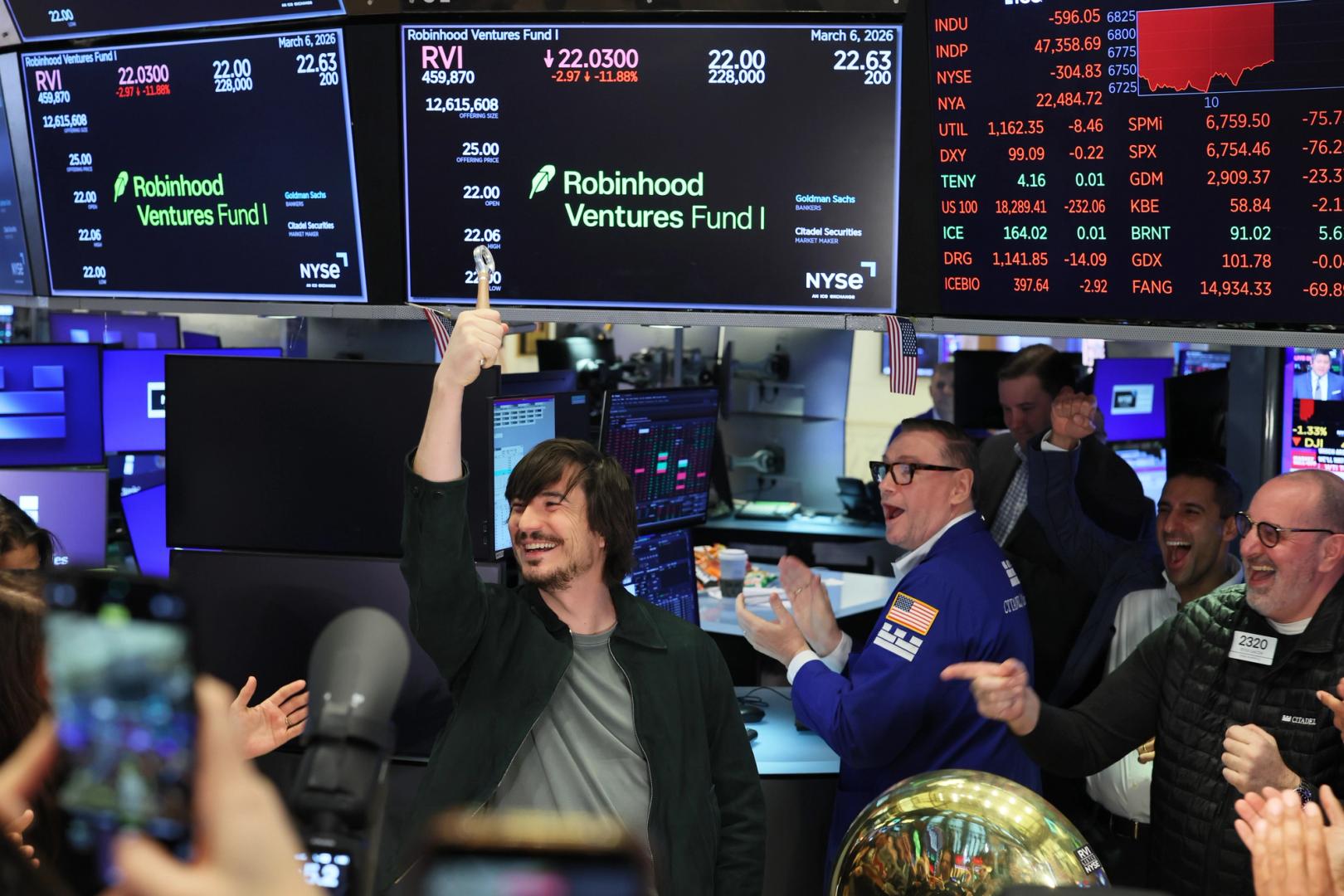
Robinhood is launching a massive initiative to bring 10 million retail investors into the world of decentralized finance (DeFi) by simplifying on-chain trading and asset management.
Robinhood is executing a high-stakes strategy to transition 10 million casual retail investors into decentralized finance (DeFi) through its integrated wallet and on-chain services.
The California-based fintech giant is leveraging its massive user base to bridge the gap between traditional stock trading and the complex world of blockchain. As of mid-2024, the company is betting that its intuitive interface can demystify on-chain (transactions occurring directly on the blockchain) activities for the average American household. This shift matters because it could represent the largest single onboarding event in crypto history, potentially moving billions in liquidity from centralized silos to open protocols.
The Robinhood DeFi Vision: Going Beyond Stocks
For years, Robinhood was known primarily for commission-free stock and options trading. Now, the company is pivoting toward a future where DeFi (financial services built on public blockchains instead of through banks) is a core offering. By integrating a dedicated crypto wallet, the platform allows users to swap tokens directly and interact with decentralized apps.
However, early data suggests that the transition is currently fueled by memecoins (cryptocurrencies inspired by internet jokes or social trends). While the long-term goal is the tokenization (converting real-world assets like bonds or real estate into digital tokens) of traditional finance, the immediate reality is a surge in high-risk retail speculation. Robinhood believes that by getting users through the door with familiar assets, they can eventually lead them toward more sophisticated financial products.
"The challenge for retail platforms is moving past the hype cycle of speculative tokens and into the utility of programmable money that DeFi promises."
Simplifying the On-Chain Experience
To reach its 10-million-user goal, Robinhood is focusing on removing the "friction points" that typically scare off beginners. For many US investors, managing private keys (a secret code that acts as a digital signature) and understanding gas fees (the cost paid to miners or validators to process a transaction) is overwhelming.
The platform is streamlining these steps through:
- Unified Interfaces: Viewing both stocks and crypto assets in one dashboard.
- Gasless Swaps: Partnering with liquidity providers to cover network costs for certain transactions.
- Fiat On-Ramps: Making it easy to move U.S. Dollars from a bank account directly into a crypto wallet.
By checking prices on CoinGecko and executing trades within a familiar app, Robinhood users are staying within a controlled ecosystem while benefiting from the transparency of public ledgers.
The Challenge of Tokenization vs. Speculation
While the company talks about a future of "on-chain finance," the current volume is heavily weighted toward volatile assets. Real-world asset (RWA) tokenization remains a small fraction of the overall TVL (Total Value Locked, or the sum of all assets held in DeFi protocols). Bringing institutional-grade assets to retail investors requires not just technology, but rigorous legal frameworks.
- User acquisition through simplified wallet creation.
- Education on the benefits of self-custody.
- Phased rollout of yield-bearing products.
- Expansion into international markets to diversify the user base.
If Robinhood succeeds, it will prove that the average American does not need to be a software engineer to participate in the new digital economy. If it fails, it may signal that DeFi is still too complex for the mainstream public.
What This Means for USA Investors
For US-based investors, Robinhood’s push into DeFi carries specific implications. From a tax perspective, every on-chain swap is considered a taxable event by the IRS. Currently, centralized exchanges like Coinbase and Kraken provide detailed Form 1099-DA reports, and Robinhood aims to maintain this convenience for its on-chain users to ensure compliance.
The SEC (Securities and Exchange Commission) continues to scrutinize centralized platforms offering decentralized services. Investors should be aware that while the wallet offers more freedom, legislative changes at the federal level could impact which tokens are available for trade. Despite these hurdles, the ease of moving USD into stablecoins or major assets like Bitcoin and Ethereum via a domestic, regulated platform remains a significant advantage for American retail traders.
The Road Map to 10 Million Users
Success will ultimately be measured by retention. It is one thing to have a user trial an app for a memecoin trade; it is quite another to have them use the platform as their primary savings and investment vehicle. The company is banking on the fact that once a user experiences the 24/7 availability and composability (the ability for different DeFi apps to work together) of on-chain finance, they won't want to go back to the T+2 settlement cycles of the traditional stock market.
As the competition heats up with other US-centric apps like PayPal and Cash App, Robinhood's aggressive DeFi roadmap represents a bold attempt to define the next decade of American wealth management.
Key Takeaways
- Bridge the gap between traditional brokerage apps and complex decentralized finance ecosystems.
- Target a massive user base of 10 million retail investors for on-chain migration.
- Address the current dominance of memecoin trading while scaling long-term tokenization goals.
- Simpify the user experience to remove technical barriers like seed phrases and gas fees.
- Monitor regulatory shifts in the US that could impact how centralized apps offer DeFi access.