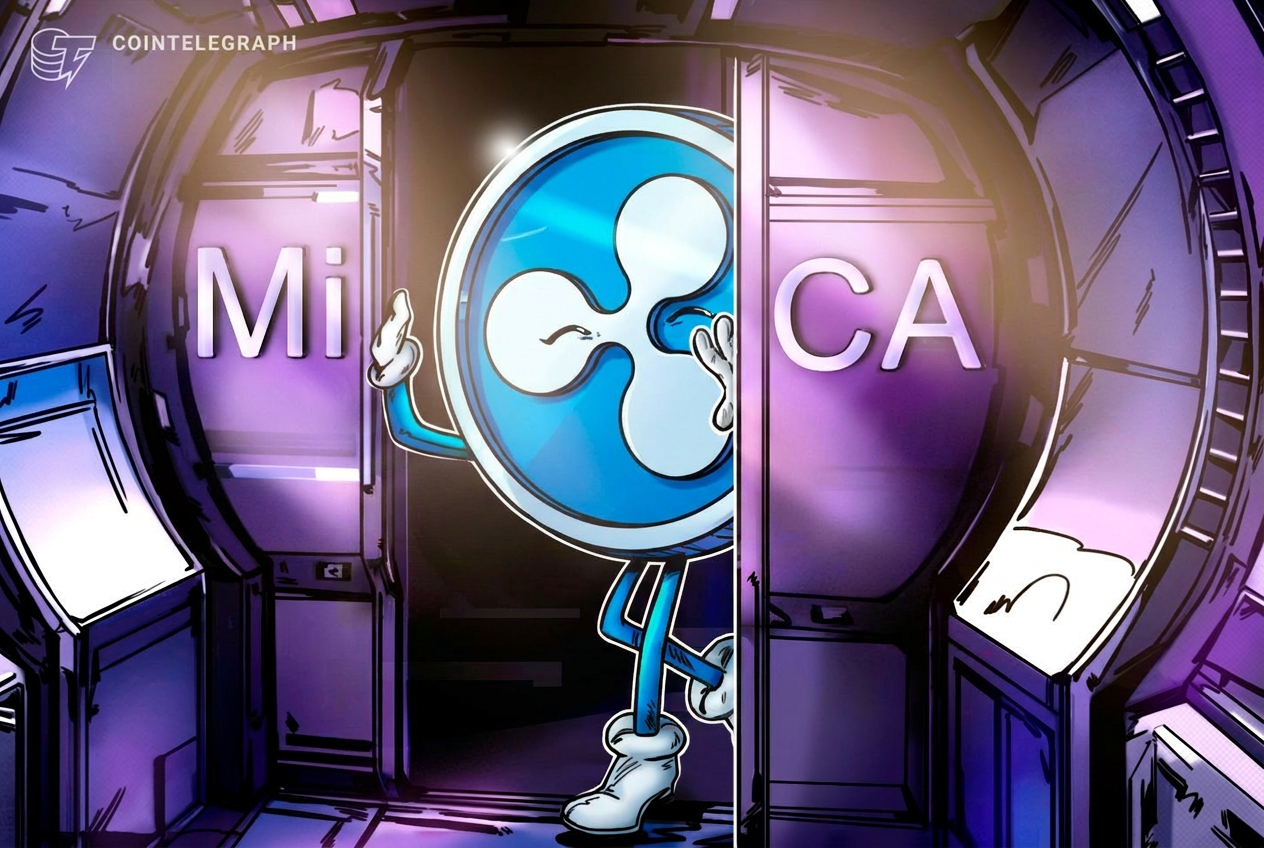
Ripple has achieved a major regulatory milestone by securing a full MiCA license through Luxembourg, enabling the company to provide compliant crypto services throughout the entire European Economic Area.
Ripple has secured a full Markets in Crypto-Assets (MiCA) license via Luxembourg, allowing the firm to offer regulated XRP and blockchain services across all 27 European Union member states.
This development marks a pivotal moment for the San Francisco-based fintech firm as it seeks to expand its global footprint. By obtaining this license under the Markets in Crypto-Assets (MiCA) framework—the EU's comprehensive set of digital asset laws—Ripple can now offer its services to all 27 EU member states from a single home base. For American investors, this move underscores Ripple's resilience even as it continues to navigate complex legal challenges at home.
The Strategic Importance of Luxembourg
Choosing Luxembourg as its regulatory hub was no accident for Ripple. Known as a world-class financial center, Luxembourg provides a stable environment for Ripple to anchor its European operations. The license allows Ripple to provide custody services (safekeeping digital assets for clients) and payment solutions across the continent.
This "passporting" ability is the crown jewel of the MiCA regulation. It means Ripple does not have to apply for separate licenses in France, Germany, or Italy. Instead, its Luxembourg approval is recognized everywhere in the EU. This streamlined approach allows the company to scale much faster than its competitors who lack such broad clearance.
"The MiCA framework provides the regulatory clarity that the industry has been pleading for, allowing responsible players to innovate and grow with confidence across the European market."
How MiCA Differs from the US Approach
To understand the significance for US investors, one must compare the EU’s approach to the current American landscape. While the US relies heavily on "regulation by enforcement" through the SEC (Securities and Exchange Commission), Europe has created a specific, written rulebook for tokens.
Under MiCA, crypto assets are categorized clearly, and companies know exactly which hoops to jump through to remain legal. This transparency is attracting many US-based firms to move their primary operations overseas to avoid legal ambiguity. Investors tracking XRP (the native digital currency used by Ripple) often see these international wins as a hedge against domestic regulatory pressure.
- Asset Classification: MiCA defines what is a utility token versus a stablecoin.
- Consumer Protection: Strict rules ensure exchanges must hold 1-to-1 reserves.
- Market Integrity: Explicit bans on market manipulation and insider trading.
The Ripple Effect on XRP and Global Liquidity
Ripple's primary product, On-Demand Liquidity (ODL), uses XRP to facilitate instant cross-border payments. By being fully regulated in Europe, Ripple can more easily partner with traditional European banks that were previously hesitant to touch crypto. According to data from CoinGecko, XRP remains one of the top digital assets by market capitalization, and increased utility in Europe could significantly impact its global trading volume.
As more European banks integrate Ripple’s technology, the demand for XRP for institutional settlement could rise. This institutional adoption is a key metric for intermediate investors who look beyond retail speculation to find long-term value in the blockchain sector.
What This Means for USA Investors
For those holding XRP in the United States, this news is bittersweet. While it validates the technology, it highlights the regulatory friction within the US. Here is the breakdown for American stakeholders:
- Tax Treatment: The IRS continues to treat XRP and other cryptocurrencies as property. Ripple’s European success does not change your US tax obligations; capital gains rules still apply to every trade.
- SEC Posture: The SEC's ongoing lawsuit against Ripple remains the primary hurdle for US growth. However, European clarity may provide a persuasive "best practices" example for US lawmakers.
- Exchange Availability: XRP is currently available for purchase on major US exchanges like Coinbase, Kraken, and Gemini following a 2023 court ruling that found programmatic sales were not securities.
- USD Parity: While the news comes from Europe, XRP is still largely traded against the US Dollar (USD). Global adoption typically leads to higher liquidity in USD trading pairs.
The Future of Regulated Crypto Services
Ripple’s move is part of a larger trend where crypto companies are seeking "safe harbors" in jurisdictions with clear laws. For an American investor, this suggests that the future of the industry may be more globalized than ever before. While the US remains a crucial market, the center of gravity for Web3 (the next generation of the internet) and decentralized finance is shifting toward regions that offer legislative certainty.
Understanding these global shifts is essential for any intermediate investor. As Ripple solidifies its base in Europe, the focus now turns back to Washington D.C., where the industry continues to lobby for a MiCA-like framework to keep innovation on American soil.
Key Takeaways
- Secure full regulatory approval to operate within the European Economic Area under standard MiCA rules.
- Position Ripple as a primary provider for institutional cross-border payments in the European market.
- Highlight the growing regulatory gap between the structured EU framework and the ongoing US legal battles.
- Impact XRP liquidity by opening doors to established European financial institutions and banks.
- Provide a blueprint for how crypto firms can achieve compliance in major global jurisdictions.