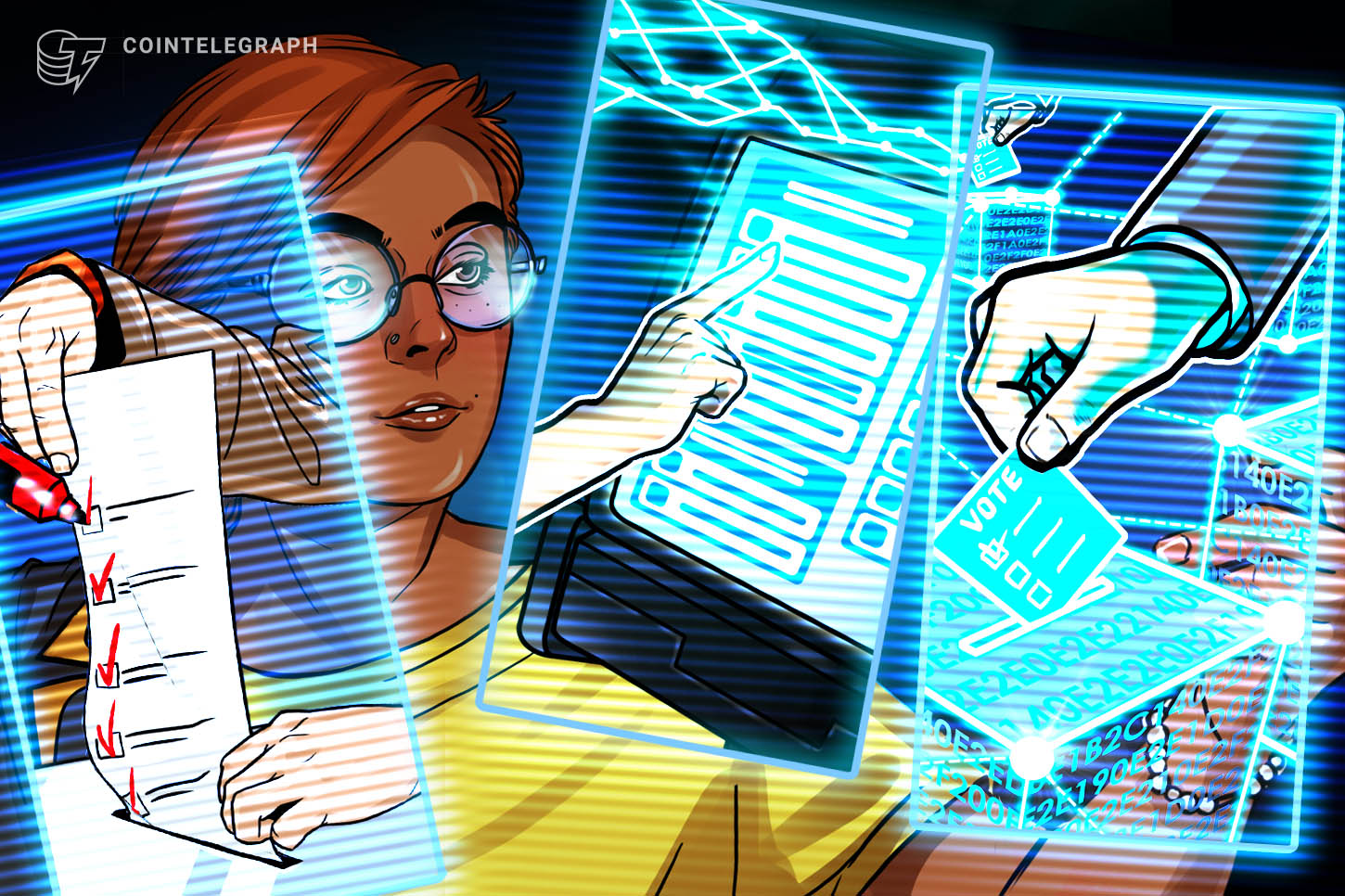
Ondo Finance is integrating on-chain shareholder voting into its tokenized equity products, enabling digital asset holders to participate in corporate governance directly via the blockchain.
Ondo Finance is introducing on-chain shareholder voting for its tokenized stock offerings, allowing crypto investors to exercise governance rights traditionally reserved for brokerage accounts.
This major upgrade represents a shift in how Wall Street assets operate within the crypto ecosystem. For United States investors watching the rise of Real World Assets (RWAs), this move by Ondo Finance bridges the functional gap between holding a stock in a Schwab account and holding a tokenized version on Ethereum. As institutional interest in tokenization grows, the ability to vote on corporate actions becomes a critical requirement for serious capital entry.
The Evolution of Tokenized Equities
Tokenization is the process of converting rights to an asset, such as a share of a company, into a digital token on a blockchain. Until recently, many tokenized stocks were simply "synthetic" trackers that mirrored price movements without providing the underlying benefits of ownership. Ondo Finance is changing this narrative by ensuring that the legal rights associated with stocks—specifically voting—transfer to the token holder.
As the market for RWAs matures, professional investors demand more than just exposure to price volatility. They want the full suite of rights afforded to traditional shareholders. This includes participating in board elections, approving mergers, and voting on executive compensation packages. By moving these processes on-chain (recorded on a public blockchain ledger), the system becomes faster and more transparent.
How On-Chain Voting Works for Investors
The technical implementation involves a governance bridge that connects traditional proxy voting systems with decentralized finance (DeFi) protocols. When a corporation initiates a vote, the data is verified and pushed to the blockchain. Token holders can then use their digital wallets to cast their ballots, which are then aggregated and relayed back to the corporate secretary.
- Direct Participation: No need for third-party intermediaries to manually process paper ballots or emails.
- Transparency: Every vote is recorded on the ledger, making it nearly impossible to dispute or alter results.
- Efficiency: Results can be tallied in real-time rather than waiting weeks for manual reconciliation.
According to recent data from CoinGecko, the RWA sector is one of the fastest-growing niches in the crypto market this year. This growth is driven by the demand for yield-bearing assets and the desire to bring the trillions of dollars locked in global equity markets into the 24/7 liquidity of crypto.
"The tokenization of everything is inevitable, but it won't be complete until the legal and governance rights of the physical world are perfectly mirrored in the digital one."
Bridging the Gap Between DeFi and TradFi
TradFi (Traditional Finance) has long used ancient systems for shareholder communication that are prone to errors and delays. By utilizing Smart Contracts (self-executing code with the terms of the agreement directly written into lines of code), Ondo simplifies the process. This shift is expected to attract more institutional liquidity into the DeFi space.
- Initial tokenization of the underlying equity by a regulated custodian.
- Issuance of digital tokens representing those shares to qualified investors.
- Synchronization of the corporate calendar with the blockchain governance module.
- Execution of voting rights through a browser-based crypto wallet.
What This Means for USA Investors
For US-based investors, this development is particularly significant regarding regulatory clarity and tax compliance. Because Ondo Finance operates within a framework that targets institutional and accredited investors, it maintains a high standard of KYC (Know Your Customer) and AML (Anti-Money Laundering) checks. This makes it a more viable option for US citizens compared to offshore, unregulated platforms.
The IRS treats tokenized assets similarly to their underlying counterparts, but the addition of voting rights reinforces the classification of these tokens as securities. US investors should be aware that holding these assets on platforms like Coinbase or Kraken may eventually include these governance features. Always consult a tax professional, as every trade or dividend event is a taxable occurrence in the eyes of the US government.
Future Outlook for Governance Tokens
The move by Ondo is likely the first of many. As competitors enter the space, we can expect to see integrated dashboards where investors can manage their entire stock portfolio and crypto holdings in one place. The ultimate goal is a seamless financial experience where the distinction between "crypto" and "finance" disappears entirely. For now, US investors should monitor how the SEC (Securities and Exchange Commission) views these voting-enabled tokens, as they lead the way for future regulatory frameworks.
Key Takeaways
- Empower investors by bridging the gap between decentralized finance and traditional corporate governance.
- Utilize blockchain technology to streamline the proxy voting process for tokenized asset holders.
- Strengthen the utility of Real World Assets (RWAs) by offering more than just price exposure.
- Position Ondo Finance as a lead innovator in the rapidly expanding institutional DeFi landscape.
- Provide a transparent, immutable record of shareholder decisions on the public ledger.